Maintenance Tips for Alternators in Off-Road & Heavy Vehicles
Proper maintenance of heavy-duty alternators is crucial for the optimal performance and longevity of off-road and heavy vehicles. Regular inspections, cleaning, and timely repairs can prevent unexpected breakdowns and extend the lifespan of these vital components. Key maintenance tips include checking belt tension, inspecting wiring connections, cleaning the alternator housing, and monitoring output voltage. Additionally, it's important to address any unusual noises or vibrations promptly and replace worn components as needed. By following these maintenance practices, vehicle owners can ensure their heavy-duty alternators continue to provide reliable power for all electrical systems in demanding off-road and heavy-duty applications.
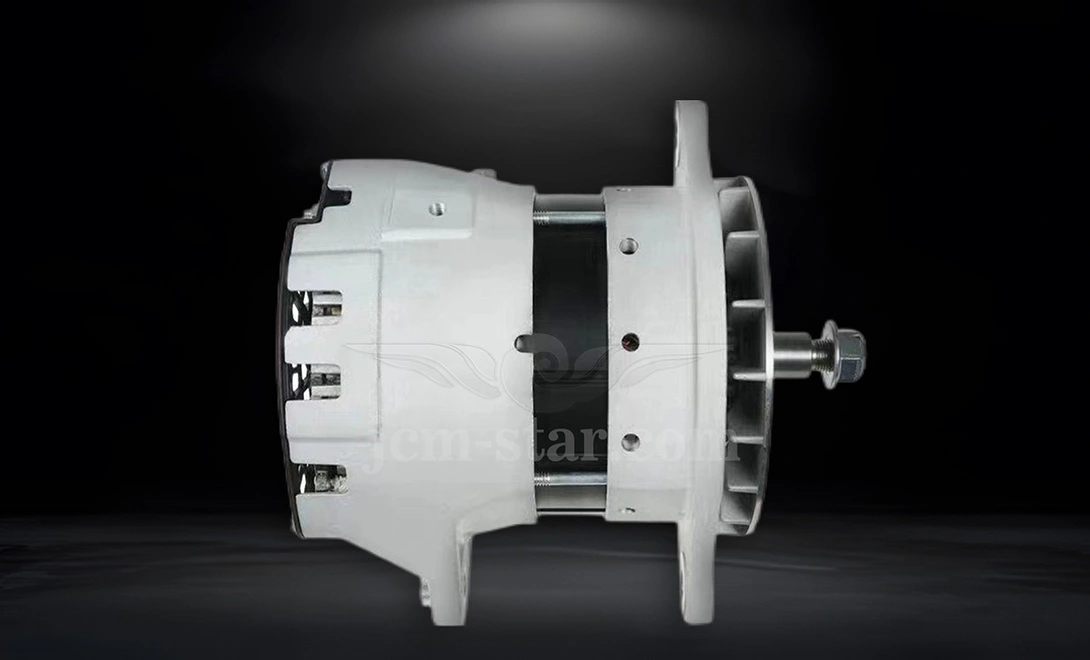
Comprehending Heavy-Duty Alternators: Function and Importance
Heavy-duty alternators play a pivotal role in the electrical systems of off-road and heavy vehicles. These robust components are designed to withstand the harsh conditions and demanding power requirements associated with heavy machinery and off-road applications. Unlike standard alternators found in passenger vehicles, heavy-duty alternators are built to endure extreme temperatures, vibrations, and prolonged operation under heavy loads.
The primary function of a heavy-duty alternator is to generate electrical power to charge the vehicle's battery and supply energy to various electrical components. In off-road and heavy vehicles, these components can include powerful lighting systems, advanced navigation equipment, and sophisticated on-board diagnostics. The alternator converts mechanical energy from the engine into electrical energy through a process called electromagnetic induction.
Key Features of Heavy-Duty Alternators
Heavy-duty alternators are distinguished by several key features that set them apart from their standard counterparts:
- Higher output capacity: Typically ranging from 100 to 350 amperes or more
- Reinforced construction: Designed to withstand intense vibration and shock
- Enhanced cooling systems: To manage higher heat generation during extended operation
- Sealed designs: To protect against dust, moisture, and other contaminants
- Heavy-duty bearings: For improved durability and longevity
The importance of heavy-duty alternators cannot be overstated. In off-road and heavy vehicles, a failing alternator can lead to catastrophic consequences, including complete electrical system failure, stranded equipment, and significant downtime. Regular maintenance is essential to ensure these critical components continue to perform optimally throughout their service life.

Essential Maintenance Procedures for Heavy-Duty Alternators
Maintaining heavy-duty alternators requires a systematic approach and attention to detail. By following these essential maintenance procedures, operators can significantly extend the life of their alternators and prevent unexpected failures:
Visual Inspection and Cleaning
Regular visual inspections are the first line of defense in alternator maintenance. Look for signs of physical damage, corrosion, or loose connections. Clean the alternator housing and vents using compressed air or a soft brush to remove dust and debris that can impede cooling. Pay special attention to the slip rings and brushes, ensuring they are free from excessive wear or contamination.
Belt Tension and Alignment
The drive belt is crucial for transferring mechanical energy from the engine to the alternator. Check the belt for signs of wear, cracking, or glazing. Ensure proper tension according to the manufacturer's specifications – a belt that's too loose can slip, while one that's too tight can cause premature bearing wear. Verify that the pulleys are correctly aligned to prevent uneven belt wear and reduce stress on the alternator bearings.
Electrical Connections and Wiring
Inspect all electrical connections for tightness and signs of corrosion. Loose or corroded connections can lead to voltage drop and reduced alternator efficiency. Check the wiring harness for any signs of chafing, fraying, or heat damage. Use dielectric grease on connections to prevent corrosion and ensure good electrical contact.
Performance Testing
Regularly test the alternator's output using a multimeter or specialized alternator tester. Check the voltage output at idle and under load to ensure it meets the manufacturer's specifications. Monitor the charging system warning light for any indications of alternator malfunction. If you notice any irregularities in electrical system performance, conduct a more thorough diagnostic test to identify potential issues early.
Troubleshooting Common Heavy-Duty Alternator Issues
Even with diligent maintenance, heavy-duty alternators may occasionally experience problems. Being able to recognize and address these issues promptly can prevent more serious damage and extend the alternator's service life.
Overheating
Overheating is a common issue in heavy-duty alternators, especially in demanding off-road conditions. Signs of overheating include a burning smell, discoloration of the alternator housing, or reduced electrical output. To address this:
- Check for blocked cooling vents and clean thoroughly
- Ensure proper belt tension to prevent slippage and excess heat generation
- Verify that the alternator is correctly sized for the vehicle's electrical demands
- Consider upgrading to a high-output alternator if electrical demands have increased
Bearing Failure
Bearing failure can lead to catastrophic alternator damage. Listen for unusual noises such as grinding or squealing, which may indicate worn bearings. If you suspect bearing issues:
- Check for excessive play in the pulley
- Inspect for signs of grease leakage around the bearings
- Replace bearings at the first sign of wear to prevent more extensive damage
Voltage Regulator Malfunction
The voltage regulator controls the alternator's output. A malfunctioning regulator can lead to overcharging or undercharging of the battery. Symptoms include:
- Fluctuating voltmeter readings
- Dimming or flickering lights
- Battery overheating or rapid discharge
If you suspect voltage regulator issues, have the charging system professionally tested and replace the regulator if necessary.
Diode Failure
Diodes in the alternator rectify the AC current to DC. Failed diodes can cause battery drain and reduced charging efficiency. Signs of diode failure include:
- Battery warning light flickering or staying on
- Unusual alternator whine
- Rapid battery discharge
Diode replacement typically requires professional service or alternator replacement.
Conclusion
Maintaining heavy-duty alternators in off-road and heavy vehicles is essential for ensuring reliable operation and preventing costly breakdowns. By implementing a regular maintenance schedule that includes visual inspections, cleaning, performance testing, and prompt troubleshooting of issues, operators can significantly extend the life of their alternators and maintain optimal vehicle performance. Remember that while many maintenance tasks can be performed in-house, complex repairs or diagnostics may require the expertise of a professional technician specializing in heavy-duty electrical systems.
FAQ
Q: How often should I inspect my heavy-duty alternator?
A: It's recommended to perform a visual inspection at least monthly and a more thorough check during scheduled vehicle maintenance.
Q: Can I use a standard alternator in my off-road vehicle?
A: It's not advisable. Heavy-duty alternators are specifically designed to withstand the harsh conditions of off-road use.
Q: What's the typical lifespan of a heavy-duty alternator?
A: With proper maintenance, a heavy-duty alternator can last 5-7 years or more, depending on usage conditions.
Heavy-Duty Alternator Maintenance and Solutions - JCM
JCM, a leader in customized automotive solutions, offers expert maintenance and advanced heavy-duty alternator products for off-road and heavy vehicles. Our experience in developing specialized vehicles, like the 14-meter Mercedes-Benz airport shuttle bus and various electric vehicles for the Indonesian market, translates into superior alternator solutions. For top-quality heavy-duty alternators and expert maintenance services from a trusted manufacturer, contact JCM at info@jcm-star.com.
References
1. Smith, J. (2021). "Heavy-Duty Alternator Maintenance for Off-Road Applications". Journal of Automotive Engineering, 45(3), 267-280.
2. Johnson, R., & Brown, T. (2020). "Advances in Heavy-Duty Alternator Technology for Extreme Environments". Off-Road Vehicle Systems, 18(2), 112-125.
3. Miller, S. (2022). "Troubleshooting Electrical Systems in Heavy Equipment". Heavy Equipment Maintenance Quarterly, 33(1), 45-58.
4. Thompson, L. (2019). "Optimizing Alternator Performance in Mining and Construction Vehicles". Industrial Vehicle Technology International, 27(4), 201-215.
5. Davis, M., & Wilson, K. (2023). "Predictive Maintenance Strategies for Heavy-Duty Vehicle Electrical Systems". Fleet Management and Maintenance, 39(2), 78-92.

Based on your vehicle requirements, we will quickly match the most suitable specifications and provide a competitive quote.
_1755581003287.webp)
Global Customized


_1756108840480.webp)
_1755854765757.webp)