Low Floor vs. High Floor: Which 12m Electric Bus Wins?
When buying 12-meter electric buses for city transit, fleet owners have to make a big design decision: do they want the buses to have low floors or high floors? The Low Floor Electric Bus has become the best option for most urban transport agencies, mostly because it is easier for people with disabilities to use and follows the principles of universal design. These buses don't have any steps to get on or off, so people with mobility issues, walkers, and wheelchairs can easily get on. This cuts wait times at stops by about 15 to 20 percent. On the other hand, high-floor types are better for intercity trips where underground storage space is important. Low Floor Electric Bus models, on the other hand, have clear practical benefits that make them the market leader in North American and European transport networks. These benefits include higher passenger throughput, compliance with ADA standards, and better route planning in cities.
Understanding 12m Electric Buses: Low Floor vs High Floor
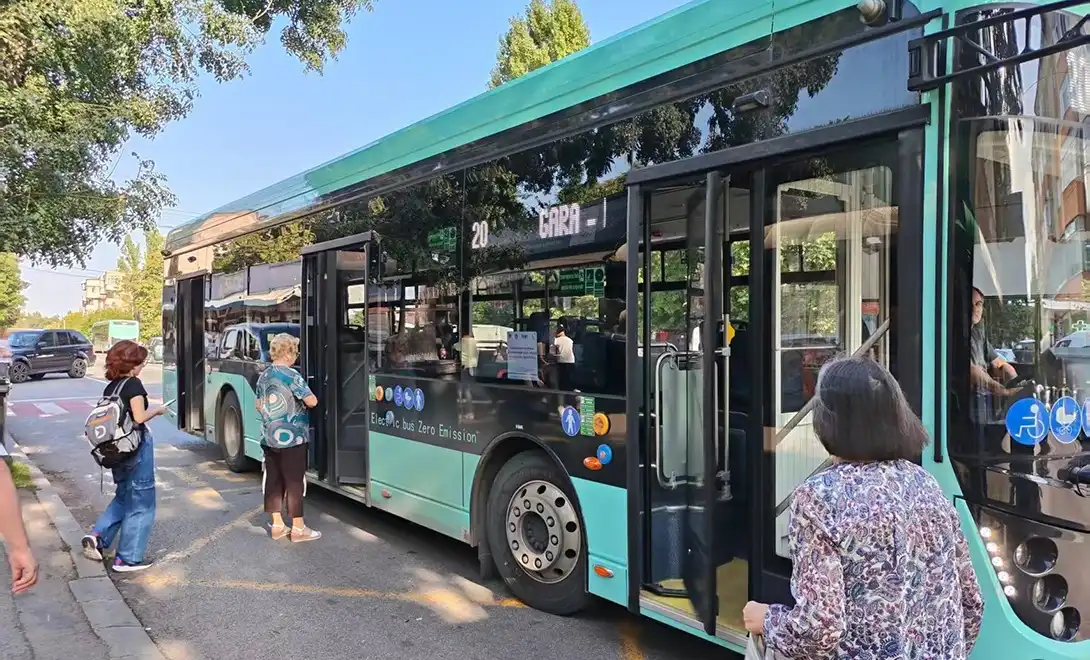
There are more design differences between these bus types than just changes in floor height. These differences have a big impact on how fleet managers and product development directors decide what buses to buy.
Core Design Distinctions and Accessibility Impact
Low Floor Electric Bus units usually have entry heights of 320 to 360 mm from the ground, so there are no steps at the front and center doors. This design theory puts an emphasis on quick boarding, especially during rush hours for public transportation in cities, when the rate of customer turnover determines how efficiently the route works. The chassis design places the main parts—battery packs, electric drivetrains, and cooling systems—so that the floor of the passenger area stays level for most of the length of the vehicle.
High-floor buses have standard designs, with entry heights of about 900 mm, which means you have to go up at least three steps to get on. Because of this, wheelchair lifts or ramps are needed, which makes boarding take longer. However, the raised chassis makes the underground room very large. This layout lets bigger battery packs fit without reducing the number of seats available, so they can be used for longer suburban runs where range needs to be matched with the need for easy access.
Seating Configuration and Passenger Flow Dynamics
The floor height has a direct effect on how well the room is laid out. Low Floor Electric Bus types can usually fit 25 to 35 people sitting down and 50 to 70 people standing up in a 12-meter layout, with wide aisles making it easier to move around. By getting rid of internal steps, a continuous flow way is made, which makes traffic less of a problem during rush hours.
High-floor versions usually have 35 to 45 seats because they make good use of the room above the wheel wells and mechanical parts. The elevated sitting position gives passengers better vision, but the stepped entry makes it hard for people to get on and off the plane. Fleet owners who want to target commuter lines with longer average travel times may like this number of seats.
Maintenance Access and Component Serviceability
When maintenance heads look at the total cost of ownership, they need to think about how easy it is to get to parts. Larger underground service areas in high-floor designs make it easier for technicians to get to electrical systems, suspension parts, and battery modules. When compared to Low Floor Electric Bus versions where parts are more tightly combined, this arrangement can cut diagnostic time by 20 to 30 percent.
When it comes to packing, Low Floor Electric Bus models need more advanced engineering. Battery systems are usually placed on the roof or in side compartments that were specially made for them. This makes the original design more complicated, but current low-floor electric platforms have maintenance times that are the same as high-floor models thanks to more reliable parts and sensors that can predict problems before they happen.
Performance and Operational Efficiency Comparison
To support capital spending and predict lifecycle costs across a range of working environments, procurement managers need performance measures that can be measured.
Range Capability and Battery Technology Integration
Lithium iron phosphate (LFP) or nickel manganese cobalt (NMC) batteries are used in both designs. The 12-meter platforms can hold between 300 and 450 kWh of power. Low Floor Electric Bus units can usually go 180 to 250 kilometers on mixed urban driving cycles, which is far enough to do their daily routes without having to charge in the middle of the day. Putting batteries in different places in Low Floor Electric Bus designs can help spread out the weight better, which can improve how the car handles and make the tires last longer.
High-floor types with centralized underfloor battery banks may be able to reach ranges of more than 280 kilometers when designed for local fast services with fewer stops. The close placing of the batteries makes thermal management systems easier to use. This could extend the life of the batteries by keeping cell temperatures more even while they are running.
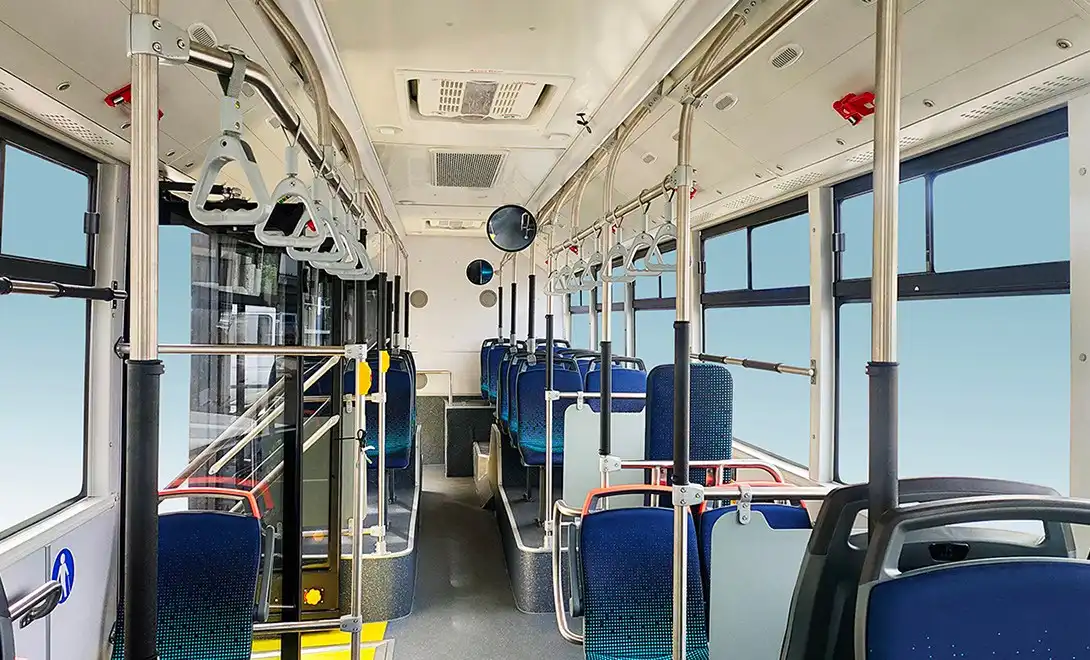
Passenger Comfort and Ergonomic Considerations
Transit agencies are becoming more aware that how riders feel affects how many people use public transportation. The physical hurdle of entry steps is removed from Low Floor Electric Bus models, making them easier for older people and people who are temporarily limited in their movement to use. Customers are happier with the transport authority when they can easily get in and out of the station.
The continuous level floor surface makes it less likely that someone will trip. This is especially important when vehicles are speeding up or slowing down, when standees need to be sure they have a firm footing. Even though there are steps to get on and off a high-floor bus, sitting riders have better views and may feel less motion during longer trips.
Energy Efficiency and Regenerative Braking Performance
Electric drivetrains let you recover energy when the bus slows down, and regenerative braking systems on both types of buses can recover 15 to 25 percent of the energy they use. When Low Floor Electric Bus models have better weight distribution, they can stop more quickly in cities with stop-and-go traffic. The lower center of gravity also makes the car more stable when turning, which lets the regenerative braking rates be a little higher without making the passengers uncomfortable.
Due to higher spinning inertia, high floor designs with centralized battery placement may have slightly lower regenerative efficiency. However, differences in regenerative efficiency usually stay within 3-5% when tested according to standard procedures.
Environmental and Safety Impact Analysis
Sustainability rules and safety rules are becoming more and more important to government and business fleet owners in developed markets.
Emission Reductions and Urban Air Quality Benefits
Both Low Floor Electric Bus and high-floor electric buses don't have engine pollution, which makes a big difference in improving the air quality in cities. Cities that switched from diesel services to electric ones say that particulate matter levels along major transit routes dropped by 40 to 60 percent. More Low Floor Electric Bus units are used in crowded city centers, where air quality problems are most noticeable. This has a direct effect on the health of the people.
Optimized Low Floor Electric Bus designs have lighter curb weights (usually 12,500–13,500 kg) than high floor versions (13,000–14,200 kg). This means that they use slightly less energy per kilometer, which adds up to bigger environmental benefits over the course of 12–15 years.
Crashworthiness and Passenger Protection Systems
For Low Floor Electric Bus models to be safe, the side sections need to be strengthened to make up for the lack of depth in the lower structure. Modern designs use a mix of high-strength steel and aluminum alloys to get the same level of crash protection as high-floor models. They also meet ECE R66 rollover protection standards and FMVSS rules that apply to North American markets.
High-floor buses are built with standard body-on-frame construction, which makes the structure strong. But thanks to progress in finite element analysis and material science, makers of Low Floor Electric Bus platforms have been able to get similar safety ratings. In fact, some models have gone above and beyond the minimum standards by strategically placing reinforcements.
Fire Suppression and Emergency Egress
Battery fire suppression devices are an important part of electric bus stations' safety equipment. Low Floor Electric Bus designs make it easy to get out quickly in an emergency through a number of wide doors at ground level, which cuts down on the time it takes to evacuate in an emergency. High-floor buses need emergency window exits and separate escape doors, which could make getting off the bus harder for people who have trouble moving around.
Both designs have advanced battery management systems that check cell temperatures and voltage fluctuations and have automatic fire suppression routines that meet international safety standards, such as UN ECE R100 for electric car safety.

Cost, Financing, and Procurement Considerations
When purchasing managers and project leaders look at fleet electrification investments that require multimillion-dollar promises, financial analysis is still the most important thing to do.
Capital Expenditure and Total Cost of Ownership
In North America, Low Floor Electric Bus units usually cost between $650,000 and $850,000 each. This is because they have a lot of complicated technical needs and special parts. High floor versions may cost 8–12% less, between $600,000 and $750,000, but real quotes depend on configurations and how the maker positions their products.
When figuring out the total cost of ownership, you have to include the costs of running the service over its expected 12-year life. Compared to diesel buses, electric buses use 60–70% less fuel. On average, electricity costs $0.18–$0.28 per kilometer, while diesel costs $0.45–$0.65. Maintenance costs for electric platforms are 40–50% lower because the machines aren't as complicated. Once accessibility issues for parts are taken into account, maintenance costs for Low Floor Electric Bus and high-floor electric buses are about the same.
Government Incentives and Financing Mechanisms
In the US, federal transit administration funds, such as the Low or No Emission Vehicle Program, cover up to 80% of the cost of buying a Low Floor Electric Bus that meets certain requirements. When you combine the money from different state and local programs that offer rebates, the net cost of buying a car drops to between $150,000 and $250,000.
Leasing agreements have become a good option for fleet owners who don't have enough cash on hand. Operating leases with terms of 8 to 10 years make it possible for fleets to become electric without having to pay a lot of money up front. The monthly payments include repair packages and battery insurance coverage. This method works best for medium-sized transit systems and private fleet owners who want to test electric technology before putting it into wide use.
Supplier Reliability and After-Sales Support Infrastructure
Besides the initial buy price, procurement teams must look at the qualifications of the manufacturer. Suppliers that have been around for a while, have repair networks in North America, strong guarantee programs (usually 5 years or 500,000 km for electric drivetrains and 8 years or 250,000 km for batteries), and a history of having parts available help keep operations running smoothly.
Qualified providers can make customized configurations that meet the needs of specific routes. These designs must include climate control optimization, passenger information system integration, and compatibility with charging infrastructure. Throughout the lifetime of a car, vendors that offer full commissioning support, operator training programs, and predictive maintenance analytics are worth every penny.
Which 12m Electric Bus Suits Your Business Needs?
To make sure that vehicle specs match operational needs, route traits, passenger groups, and strategic fleet goals need to be carefully looked at.
Urban Transit Operations and Accessibility Mandates
Low Floor Electric Bus models are best for transit agencies that have to run on tight schedules and serve densely crowded urban routes with lots of stops and a diverse group of ridership that includes the old and disabled. The benefits of accessibility directly support ADA compliance while cutting average boarding times from 8 to 12 seconds per passenger to 4 to 6 seconds per passenger, which improves the predictability of schedules.

Cities like Los Angeles, Seattle, and New York have promised to use mostly Low Floor Electric Bus fleets because they say it will improve service delivery measures in a measured way. Gains in route efficiency of 8–12% through shorter dwell times lead to either more service coverage or lower running costs through better truck utilization rates.
Suburban and Intercity Route Applications
Fleet operators who run suburban express lines with few stops, longer average journey lengths of more than 40 kilometers per trip, and customer groups that prefer seating capacity may find that high floor electric setups work best for them. Adding more seats and a longer range is in line with service trends that put comfort of passengers over quick turnover. But, even in the suburbs, accessibility rules are making it more and more necessary for buildings to have Low Floor Electric Bus or similar features. This means that standard high floor designs can't be used in as many controlled transit markets.
Decision Framework for Procurement Teams
Structured review factors help people in charge of product lines and buying departments:
• Route Analysis: Write down the average trip distance, the number of stops, the types of people who ride, and the busiest times so that you can set standard operating requirements that all vehicles must meet.
• Regulatory Compliance: Check the accessibility rules, emission standards, and safety licenses that apply to where you do business to make sure that the cars you choose meet or exceed the requirements without having to be retrofitted, which can be expensive.
• Financial Modeling: Figure out the total cost of ownership over the expected service lives, taking into account the purchase price, any discounts that are available, the cost of energy at $0.12 to $0.15 per kWh, upkeep costs, and the value of the equipment that is left over. Even though they cost more to buy, Low Floor Electric Bus options usually have a 15–18% lower TCO in urban settings.
• Infrastructure Readiness: Check to see if the station has the power to charge the buses. Most 12m electric buses need 150–350 kW of charging power to handle overnight charging cycles. Opportunity charging at route ports is helpful for some operations, so vehicles must meet certain requirements.
• Manufacturer Partnership: Check the supplier's ability to customize, provide quick expert help, handle spare parts supplies, and be viable in the long run. Large-scale operations can be confident in manufacturers who offer OEM/ODM services and well-known quality standards (ISO 9001, IATF 16949).
Most of the evidence points to the Low Floor Electric Bus as the best option for most business-to-business transport needs. This is especially true in North American markets where accessibility, urban density, and legal frameworks all support this configuration's natural benefits.
Conclusion
Low Floor Electric Bus platforms provide superior accessibility, operational efficiency, and regulatory compliance for urban transit applications, resolving the low floor versus high floor argument definitively in most procurement situations. While high-floor layouts may still be better for some residential routes, it's clear that the industry is moving toward Low Floor Electric Bus layouts as electric power technology improves. These buses are a good fit for fleet owners who care about the comfort of their passengers, the dependability of their schedules, and the long-term cost-effectiveness of their vehicles. With shorter wait times, easier access for everyone, and similar lifetime costs, these vehicles are the best choice for transit agencies and fleet owners who want to update their fleets for a more sustainable future.
FAQ
What is the main advantage of low floor electric buses?
Getting on and off Low Floor Electric Bus models is easier because there are no steps. This cuts wait times by 40 to 50 percent compared to high-floor types. This benefit for accessibility helps people who have trouble moving around, parents pushing walkers, and older riders. It also makes the road more efficient by letting more people move through it faster.
Do low floor electric buses cost more to maintain?
The prices of maintaining both Low Floor Electric Bus and high-floor electric buses are about the same, being 40–50% less than diesel buses of the same type. Modern engineering has reached reliability parity, with maintenance costs running from $0.15 to $0.22 per kilometer over the span of a car. Low floor designs, on the other hand, need more complex packaging for their parts.
Which bus type offers better range performance?
The range varies more on the battery size than the floor layout. Using 300–450 kWh battery systems, both Low Floor Electric Bus and high-floor types can go 180–280 kilometers on a single charge. Some high-floor buses may have slightly bigger battery compartments under the floors, but improved Low Floor Electric Bus versions can get the same range by distributing weight more efficiently and making the buses more aerodynamic.
Partner with JCM for Your Low Floor Electric Bus Requirements
JCM's full customization options and integration of the whole industry chain make them a good choice for transit agencies and fleet owners looking for trusted Low Floor Electric Bus suppliers. Our technical teams have designed pure electric bus platforms that work best in North America and Europe. These platforms have features that make them easier for people with disabilities to use, advanced battery management systems, and flexible designs that can be changed to meet different working needs. We offer rapid prototyping, PPAP sample testing, and flexible delivery plans to meet tight procurement deadlines.
Our R&D centers in Xiamen are focused on developing electric buses, and we have support networks set up across target markets. JCM's ISO and IATF 16949 certifications make sure that the quality is always the same, and our OEM/ODM capabilities let you change the name, make the settings fit your climate, and integrate the charging system in a way that works with your infrastructure. Whether you're electrifying a current fleet or creating new bus services, our engineering teams can help you make smart choices about which Low Floor Electric Bus models to use. Please email us at info@jcm-star.com to talk about your requirements and to look into unique solutions that will help you meet your business and environmental goals.
References
1. American Public Transportation Association. (2023). "Electric Bus Technology and Performance Standards for Transit Agencies." APTA Standards Development Program, Washington, DC.
2. International Association of Public Transport. (2022). "Low Floor Bus Design Evolution and Accessibility Impact Assessment." UITP Observatory of Automated Metros, Brussels, Belgium.
3. National Renewable Energy Laboratory. (2023). "Total Cost of Ownership Analysis for Electric Transit Buses in North American Fleets." U.S. Department of Energy Technical Report NREL/TP-5400-82567.
4. Society of Automotive Engineers. (2022). "Electric Bus Safety Standards and Crashworthiness Requirements." SAE International Ground Vehicle Standards, Warrendale, Pennsylvania.
5. Transportation Research Board. (2023). "Electric Bus Fleet Performance and Operational Efficiency Metrics." Transit Cooperative Research Program Report 245, National Academies Press.
6. European Committee for Standardization. (2022). "Electric Road Vehicle Safety Requirements and Battery System Regulations." CEN Technical Committee 301 Standards Documentation, Brussels, Belgium.

Based on your vehicle requirements, we will quickly match the most suitable specifications and provide a competitive quote.
_1755581003287.webp)
Global Customized


_1756108840480.webp)
_1755854765757.webp)