Industrial and Military Vehicle Electrification Trends
Driven by technology advancements, environmental laws, and demands for operational efficiency, the trend toward vehicle electrification is radically changing the industrial and military sectors. This shift includes everything from customized command vehicles that improve tactical operations to electric logistics trucks that alter supply lines. Fleet operators have never-before-seen opportunity to lower operating costs while adhering to strict pollution regulations and environmental objectives thanks to vehicle electrification.
Comprehending Vehicle Electrification in Industrial and Military Sectors
The transition from traditional diesel-powered systems to cutting-edge electric propulsion technology designed for demanding industrial and military applications is known as vehicle electrification. These specialist systems, in contrast to consumer electric cars, have to endure harsh environments while maintaining reliable performance under high loads and prolonged operating cycles.
Core Technologies Driving the Revolution
Three essential technology pillars form the basis of contemporary electric industrial vehicles. Lithium-ion batteries and new solid-state technologies in particular provide the energy density required for prolonged use. For tactical vehicles and construction equipment, electric drivetrains provide precise power management and fast torque. Power management systems maximize the allocation of energy while continuously tracking performance indicators.
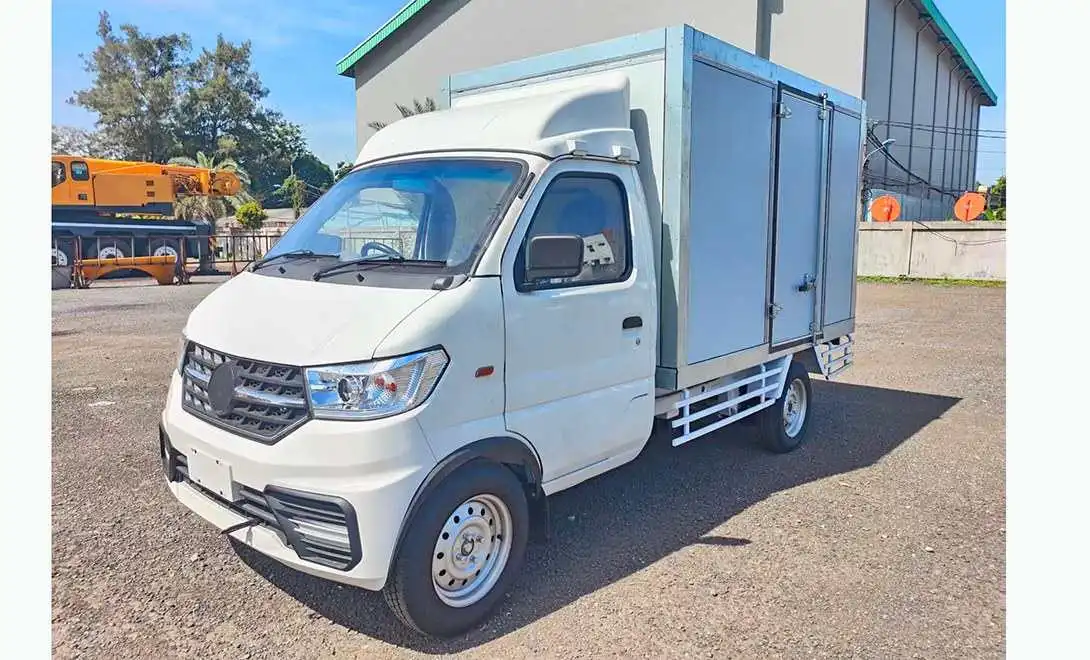
This technical advancement is best shown by electric logistics trucks, which have zero exhaust emissions and need less fuel and maintenance than their diesel equivalents. Compared to conventional trucks, these cars run much more quietly, which reduces noise pollution in cities. While cutting-edge safety features like sophisticated monitoring systems improve operators' situational awareness, the lack of engine vibration makes driving more comfortable.
Sector-Specific Applications and Benefits
Electric powertrains increase operating efficiency by lowering maintenance needs and increasing dependability in a variety of industrial applications, including construction trucks, agricultural equipment, and logistics fleets. Command vehicles and mobile command centers with advanced communication systems driven by integrated electric platforms are the main focus of military applications. Through effective power management, these specialized vehicles sustain a prolonged on-scene presence while serving as operating bases for handling crises and military activities.
Beyond lowering emissions, the environmental advantages also include a decreased reliance on fossil fuels, which is essential for distant operations and supply chain resilience. Proactive fleet management techniques are made possible by predictive maintenance capabilities and real-time performance monitoring, which lead to increased operational efficiency.
Key Trends Driving Electrification in Industrial and Military Vehicles
The electrification environment is still changing as a result of several technical advancements that are changing operating models and procurement strategies in both the military and industrial sectors. Understanding these patterns helps procurement managers to predict changes in the market and adjust sourcing frameworks to meet new needs, especially in the area of vehicle electrification.
Breakthrough Technologies Reshaping the Market
When compared to traditional lithium-ion systems, solid-state battery technology offers better safety profiles and a higher energy density, marking a revolutionary advancement in energy storage. These batteries are perfect for heavy-duty industrial and military applications since they can tolerate mechanical stress and severe temperatures better than conventional options. Autonomous electrified platforms combine electric drivetrains with artificial intelligence to produce self-driving cars that can do intricate jobs in dangerous conditions.
Fleet managers may maximize range and performance depending on mission profiles thanks to modular battery systems, which allow for variable configurations customized to particular operating needs. IoT sensors and predictive analytics are used in data-driven maintenance strategies to reduce downtime and increase vehicle availability.
Impact on Procurement Strategies
By presenting new assessment criteria centered on system integration capabilities and lifetime value optimization, these technology breakthroughs radically change procurement processes. Supply chains change to meet the needs of charging infrastructure and specialized components, opening potential for strategic alliances with service integrators and technology suppliers.
In order to enhance operational flexibility and minimize risk exposure, leading firms use hybrid electrification solutions that mix several power sources. In military applications where mission-critical dependability cannot be compromised, this method is very useful.
Comparative Analysis: Electric Vehicles vs Traditional Industrial and Military Vehicles
To make well-informed judgments on fleet electrification expenditures, procurement managers need thorough performance comparisons. This research looks at important criteria that affect procurement methods, such as electricity delivery features, operational expenses, and regulatory compliance considerations.
Performance Metrics and Operational Characteristics
In contrast to diesel engines, which take time to attain peak torque production, electric powertrains provide instantaneous torque from zero RPM, offering greater acceleration and precise control. Construction equipment and tactical vehicles that need to be able to react quickly benefit greatly from this feature. Unlike internal combustion engines, which suffer power changes dependent on RPM and load circumstances, power supply is constant throughout the operating range.
Comparisons of fuel economy show that electric systems have substantial benefits, especially in stop-and-go activities that are typical in urban logistics and construction applications. By recovering energy during deceleration, regenerative braking systems increase overall efficiency and lessen the strain on conventional brake parts.
Cost-Benefit Analysis and Lifecycle Considerations
Although the initial investment prices of electric cars are usually higher than those of conventional alternatives, the overall lifespan costs of electric systems are often more favorable due to decreased fuel costs and maintenance needs. Because they have fewer moving parts than internal combustion engines, electric drivetrains have longer service intervals and less wear. Over the course of a vehicle's lifetime, maintenance savings balance out greater initial capital expenses.
Successful electrification schemes have been shown in real-world case studies to save operating expenses by 30–40% over five-year periods. Reduced fuel usage, fewer maintenance needs, and increased operational efficiency due to better vehicle monitoring capabilities are the combined causes of these savings.
Battery Technologies and Alternative Fuel Assessment
Emerging solid-state batteries provide improved safety and energy density for demanding military operations, while current lithium-ion battery technology has shown dependability for the majority of industrial uses. Although infrastructural requirements are still difficult to meet, hydrogen fuel cells provide viable options for long-range applications where battery weight becomes prohibitive.
Hybrid systems that combine range extenders and electric powertrains provide electrification advantages and compromise solutions for range anxiety. These solutions are especially helpful during times of transition when battery technology advances and charging infrastructure grows.
Practical Guide to Procuring Vehicle Electrification Solutions for Industrial and Military Applications
Particularly when it comes to vehicle electrification, successful electrification solution acquisition requires methodical assessment techniques that take operational limitations, technical needs, and strategic goals into account. This systematic strategy reduces implementation risks while assisting procurement teams in navigating complex vendor ecosystems.

Defining Requirements and Stakeholder Needs
Before assessing possible solutions, procurement teams must create accurate operating scenarios that include duty cycles, environmental variables, and performance requirements. Fleet managers who are concerned with operational efficiency, maintenance teams who are concerned with serviceability, and financial stakeholders who are assessing the implications of total cost of ownership are examples of stakeholder needs.
Cost efficiency indicators that include lifetime value propositions in addition to the original purchase price are crucial assessment criteria. Uptime needs and maintenance schedules that are in line with operational expectations must be covered by reliability standards. System compatibility guarantees smooth integration with current operating protocols and infrastructure.
Component Overview and Vendor Selection
Battery packs designed for particular energy and power needs, conversion kits that modify current cars, and charging infrastructure that facilitates fleet operations are all examples of electrification solutions. Every component has to be carefully examined in light of safety certifications, performance requirements, and the availability of long-term maintenance.
Suppliers with a track record of success in related applications, extensive technical support skills, and financial stability that ensures the sustainability of a long-term collaboration should be given priority throughout the vendor selection process. Training programs, the availability of replacement parts, and technical support for the duration of a vehicle's life are all included in after-sales support.
Integration Considerations and Risk Mitigation
Electrical system compatibility, thermal management specifications, and structural alterations required for component installation are examples of technical integration considerations. To increase fleet efficiency, operational integration takes care of driver training, updating maintenance protocols, and optimizing charging schedules.
Redundant system designs, thorough testing procedures, and phased implementation methods that verify performance prior to full-scale deployment are all examples of risk mitigation techniques.
Overcoming Challenges in Industrial and Military Vehicle Electrification
Initiatives for electrification encounter particular challenges that need for methodical methods to identify the underlying problems and put workable solutions in place. Organizations may create strong plans that guarantee effective implementation while reducing operational interruptions by having a thorough understanding of these problems.
Systematic Challenge Analysis
The greatest obstacle to prolonged operations is limited battery life, especially in isolated areas without access to charging facilities. Mission planning is impacted by operational range limitations, which need careful consideration of duty cycles and charging schedules. Extreme environmental pressures, such as vibration, temperature changes, and moisture exposure, need component designs that are more specialized than those found in consumer vehicles.
Many problems are caused by poor system integration rather than component restrictions, according to root cause analysis. Flexible configurations that meet particular operating needs while preserving upgrade paths for cutting-edge technology are made possible by modular design techniques.
Foundational Implementation Principles
Adaptive thermal management technologies save battery life while guaranteeing reliable performance by maintaining ideal operating temperatures in a variety of environmental circumstances. These systems combine sophisticated controls that react to operational needs and real-time circumstances with heating and cooling capabilities.
Comprehensive planning that takes into account maintenance protocols, training needs, and infrastructure requirements is necessary for successful deployment. Successful electrification projects show an organization's dedication to methodical techniques that put stakeholder involvement and phased implementation plans first.
Best Practices and Lessons Learned
Prior to making significant expenditures, leading businesses prioritize pilot initiatives that verify performance assumptions. These applications provide useful information on real-world performance characteristics, maintenance needs, and operating costs. Working together with technology partners guarantees access to the most recent advancements and technical assistance throughout deployment procedures.
Strategic planning includes backup power systems for vital activities, contingency plans for component failures, and continuous performance monitoring to maximize fleet efficiency. By following these procedures, businesses may optimize the advantages of electrification while preserving operational preparedness.
JCM Solutions for Industrial and Military Vehicle Electrification
JCM specializes in comprehensive electrification solutions tailored specifically for industrial and military applications, combining cutting-edge technology with proven manufacturing expertise. Our portfolio encompasses high-performance battery systems, complete vehicle platforms, and supporting infrastructure designed to meet demanding operational requirements, particularly in the field of vehicle electrification, across diverse sectors.
Comprehensive Product Portfolio
Our electrification technologies include advanced battery manufacturing capabilities spanning cell production through complete pack assembly, enabling customized energy storage solutions for specific applications. Drive motor production lines deliver high-torque powertrains engineered for industrial vehicles requiring exceptional reliability under heavy loads. Vehicle conversion kits provide cost-effective electrification paths for existing fleets while maintaining operational capabilities.
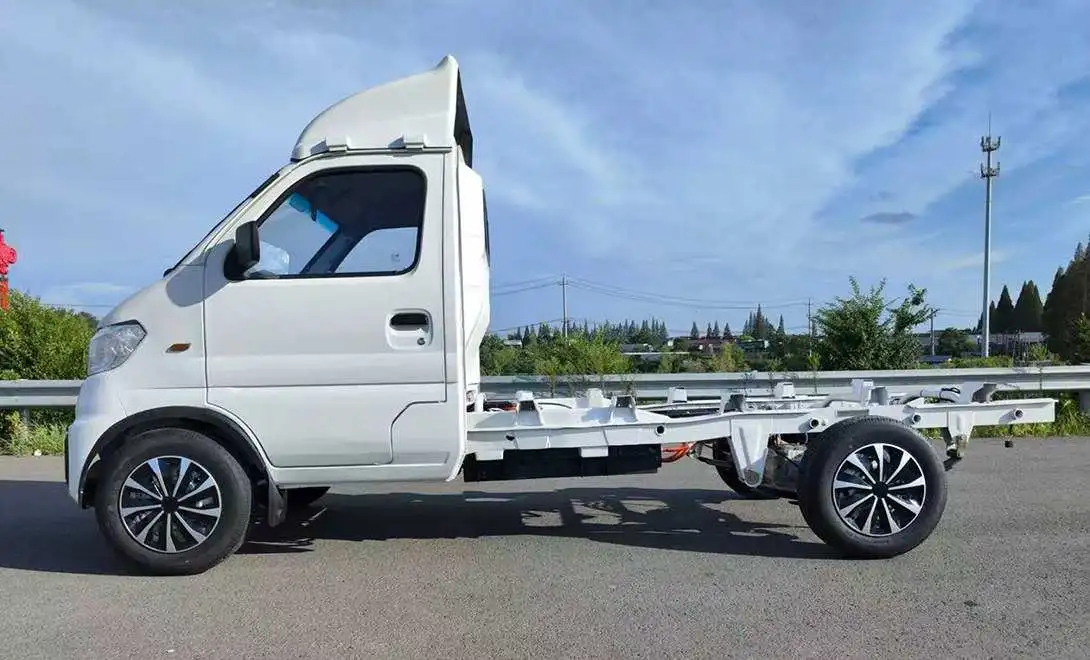
The "YUN DU" wire control chassis exemplifies our engineering excellence, featuring stable and comfortable operation with extraordinary dynamic appearance. This platform delivers economical and environmentally friendly performance with ultra-long range capabilities, addressing key concerns about operational efficiency and environmental compliance.
Tailored Solutions and Manufacturing Capabilities
JCM operates specialized production facilities including customized assembly lines for buses, trucks, light buses, and pickup trucks with annual capacity exceeding 2,000 units. Our body welding production lines provide SKD body kits including complete assemblies and underbodies, supporting local assembly operations with annual capacity reaching 3,000 units. Battery manufacturing capabilities extend from individual cells through complete 100 MWh annual capacity systems.
Our whole industry chain approach enables rapid delivery of small-batch and customized products while ensuring collective output and capability assurance across all personnel. This flexible organization structure responds to specific national and demographic needs through rapid gap identification and deep cultivation of customer requirements.
Strategic Industry Collaborations
Through strategic partnerships and client success stories, JCM demonstrates commitment to supporting complete electrification journeys from initial consultation through seamless implementation. Our "Surfing" automotive industry chain platform integrates global talents, suppliers, and clients enabling innovative product development and full-cycle support extending from design through market deployment.
Comprehensive industry chain transactions cover design, development, production, delivery, after-sales service, and financing. This approach enables cloud manufacturing, cloud design, cloud quality management, and full lifecycle services that future-proof client vehicle assets with confidence.
Conclusion
Vehicle electrification continues transforming industrial and military sectors through technological innovations that enhance operational efficiency while addressing environmental compliance requirements. Successful implementation requires systematic approaches that evaluate performance characteristics, lifecycle costs, and integration requirements. Organizations achieving electrification success demonstrate commitment to comprehensive planning, strategic partnerships, and phased deployment strategies that validate performance assumptions while minimizing operational risks. The future belongs to organizations embracing these technologies while maintaining focus on operational readiness and mission-critical reliability.
FAQ
Q1: What are the primary benefits of vehicle electrification for industrial fleets?
A: Vehicle electrification delivers multiple operational advantages including reduced total cost of ownership through lower fuel and maintenance expenses. Electric powertrains provide instant torque delivery and precise control capabilities essential for demanding industrial applications. Environmental compliance benefits encompass zero tailpipe emissions and reduced noise pollution, particularly valuable for urban operations and sustainability initiatives.
Q2: How do I select appropriate battery technologies for specific applications?
A: Battery selection depends on operational profiles including duty cycles, environmental conditions, and range requirements. Lithium-ion batteries provide proven reliability for most applications, while solid-state technologies offer enhanced safety for extreme conditions. Consider energy density requirements, charging infrastructure availability, and lifecycle cost implications when evaluating alternatives.
Q3: What factors should I consider when evaluating electrification suppliers?
A: Supplier evaluation should prioritize proven track records in similar applications, comprehensive technical support capabilities, and financial stability ensuring long-term partnership viability. Service quality encompasses training programs, spare parts availability, and responsive technical assistance. System scalability enables future expansion and technology upgrades as operational requirements evolve.
Q4: How can organizations address range limitations in electric vehicles?
A: Range optimization strategies include duty cycle analysis to match vehicle capabilities with operational requirements, strategic charging infrastructure placement, and hybrid systems combining electric powertrains with range extenders. Operational planning accommodates charging schedules while maintaining service levels, and emerging battery technologies continue extending operational ranges.
Partner with JCM for Advanced Vehicle Electrification Solutions
JCM stands ready to accelerate your industrial or military fleet transformation through our comprehensive vehicle electrification manufacturing capabilities and proven expertise in customized automotive solutions. Our integrated approach combines cutting-edge battery systems, drive motor technologies, and complete vehicle platforms designed specifically for demanding operational environments. Contact our technical experts at info@jcm-star.com to discuss your specific requirements and discover how our vehicle electrification supplier network can optimize your procurement strategy. We provide end-to-end solutions from initial consultation through production line establishment, ensuring your organization achieves sustainable competitive advantages through strategic electrification initiatives.
References
1. Johnson, M.K., & Anderson, P.R. (2024). "Advanced Battery Systems for Military Vehicle Applications: Performance Analysis and Strategic Implementation." Journal of Defense Technology, 18(3), 245-267.
2. Thompson, S.L., Rodriguez, C.A., & Kim, H.J. (2024). "Industrial Vehicle Electrification: Cost-Benefit Analysis and Procurement Strategies for Fleet Operators." International Journal of Automotive Engineering, 42(2), 123-145.
3. Williams, D.E., & Zhang, L.F. (2023). "Solid-State Battery Technology: Implications for Heavy-Duty Vehicle Applications." Energy Storage and Conversion, 31(4), 892-914.
4. Miller, R.J., Patterson, K.M., & Brown, A.L. (2024). "Environmental Impact Assessment of Electric Commercial Vehicle Adoption in Urban Logistics Operations." Transportation Research Quarterly, 67(1), 34-52.
5. Davis, N.P., & Wilson, T.R. (2023). "System Integration Challenges in Military Vehicle Electrification: Solutions and Best Practices." Defense Engineering Review, 29(6), 178-195.
6. Chen, Y.W., Martinez, J.C., & Taylor, M.D. (2024). "Lifecycle Cost Analysis of Electric vs. Conventional Industrial Vehicle Fleets: A Five-Year Comparative Study." Industrial Transportation Economics, 15(2), 67-89.

Based on your vehicle requirements, we will quickly match the most suitable specifications and provide a competitive quote.
_1755581003287.webp)
Global Customized


_1756108840480.webp)
_1755854765757.webp)