How to Choose the Right Truck-Mounted Crane Chassis?
Selecting the appropriate truck-mounted crane chassis is crucial for ensuring optimal performance, safety, and efficiency in your lifting operations. To choose the right chassis, consider factors such as the crane's capacity, intended applications, terrain conditions, and regulatory requirements. Evaluate the chassis' payload capacity, stability, maneuverability, and compatibility with the crane model. Additionally, assess the chassis' frame strength, suspension system, and axle configuration to ensure they can support the crane's weight and load distribution. By carefully considering these factors and consulting with experienced manufacturers, you can select a truck-mounted crane chassis that meets your specific needs and enhances your operational capabilities.
Key Factors in Selecting the Ideal Truck-Mounted Crane Chassis
Payload Capacity and Weight Distribution
When choosing a truck-mounted crane chassis, one of the most critical factors to consider is the payload capacity and weight distribution. The chassis must be capable of supporting not only the weight of the crane itself but also the maximum load it will be lifting. This requires a careful analysis of the gross vehicle weight rating (GVWR) and the distribution of weight across the axles.
To ensure optimal performance and safety, the chassis should have a payload capacity that exceeds the combined weight of the crane and its maximum load by a comfortable margin. This excess capacity provides a safety buffer and allows for potential future upgrades or modifications to the crane system.
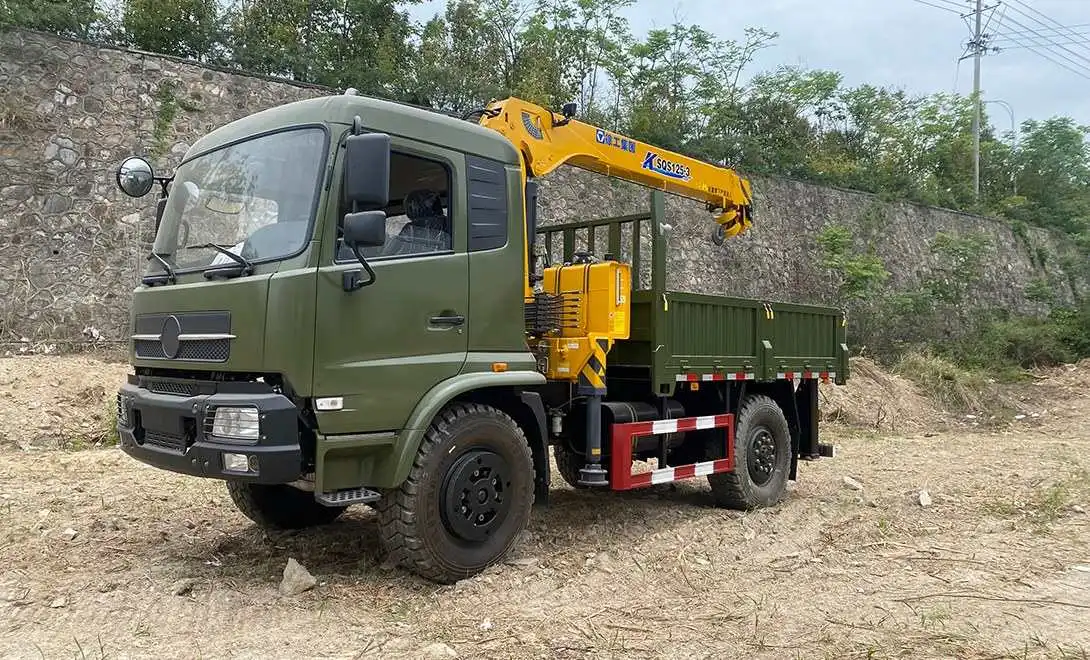
Weight distribution is equally important, as an uneven distribution can lead to instability and reduced performance. The chassis should be designed to evenly distribute the weight of the crane and its load across all axles. This may involve selecting a chassis with additional axles or a specific axle configuration to accommodate the weight distribution requirements of the crane.
Chassis Frame Strength and Rigidity
The strength and rigidity of the chassis frame are paramount in ensuring the stability and longevity of the truck-mounted crane. The frame must be robust enough to withstand the dynamic loads imposed by crane operations, including lifting, swinging, and traveling with suspended loads.
When evaluating chassis options, pay close attention to the frame material and construction. High-strength steel frames are typically preferred for their durability and resistance to bending and torsion. The frame should also feature reinforced mounting points for the crane, outriggers, and other components to distribute stress evenly and prevent localized weakening.
Consider the chassis' torsional rigidity, which is its ability to resist twisting forces. A chassis with high torsional rigidity will provide a stable platform for crane operations, reducing the risk of tipping or uneven lifting. Some manufacturers offer specialized reinforced frames or custom modifications to enhance the chassis' strength and rigidity for crane applications.
Maneuverability and Terrain Adaptability
The maneuverability of the truck-mounted crane chassis is crucial for navigating job sites and positioning the crane for optimal lifting operations. Consider the turning radius, overall length, and wheelbase of the chassis to ensure it can access tight spaces and maneuver effectively in confined areas.
For applications that require off-road capabilities or operation on uneven terrain, evaluate the chassis' ground clearance, approach and departure angles, and suspension system. A chassis with all-wheel drive or multiple driven axles may be necessary for challenging terrain or poor ground conditions.
The suspension system plays a vital role in both maneuverability and stability. Air suspension systems offer adjustable ride height and improved load distribution, which can be beneficial for crane operations. However, for extremely rugged conditions, a more robust leaf spring or walking beam suspension might be more suitable.
Compatibility and Integration with Crane Systems
Hydraulic System Integration
The integration of the crane's hydraulic system with the truck chassis is a critical aspect of ensuring smooth and efficient operation. The chassis should have sufficient power take-off (PTO) options to drive the crane's hydraulic pump without overloading the engine or transmission.
Consider the hydraulic oil capacity and cooling requirements of the crane system when selecting a chassis. Some chassis manufacturers offer integrated hydraulic systems or pre-engineered solutions for specific crane models, which can simplify installation and improve overall system performance.
It's also important to evaluate the placement of hydraulic components on the chassis, ensuring they are protected from damage and easily accessible for maintenance. A well-designed hydraulic system integration will contribute to the longevity and reliability of both the crane and the chassis.
Electrical System Compatibility
The electrical system of the truck chassis must be compatible with the crane's control and safety systems. This includes providing adequate power for the crane's electrical components, such as control panels, sensors, and lighting.
Look for chassis options that offer dedicated power supplies for auxiliary equipment or pre-wired interfaces for crane systems. Some advanced chassis models feature integrated CAN-bus systems that can seamlessly communicate with the crane's electronic controls, enabling more sophisticated monitoring and diagnostics.
Ensure that the chassis' electrical system has sufficient capacity to handle the additional load of the crane without compromising other vehicle functions. This may require upgrading alternators, batteries, or adding auxiliary power systems in some cases.
Outrigger and Stabilizer Integration
The integration of outriggers and stabilizers is crucial for the safe operation of truck-mounted cranes. The chassis should provide suitable mounting points and reinforced areas for outrigger installation without compromising the frame's integrity.
Consider the outrigger spread required for the crane's maximum capacity and ensure that the chassis can accommodate this without excessive overhang or interference with other components. Some chassis manufacturers offer pre-engineered outrigger boxes or integrated stabilizer systems that are designed to work seamlessly with specific crane models.
Evaluate the chassis' ability to level on uneven ground, as this directly impacts the crane's stability and lifting capacity. Advanced chassis designs may incorporate automatic leveling systems or integrated controls that work in conjunction with the crane's safety systems to ensure proper setup and operation.
Regulatory Compliance and Safety Considerations
Weight and Dimension Regulations
When selecting a truck-mounted crane chassis, it's essential to consider local and regional regulations regarding vehicle weight and dimensions. Different jurisdictions have varying restrictions on gross vehicle weight, axle loads, and overall dimensions, which can impact the choice of chassis and crane combination.
Research the specific regulations applicable to your operating area and ensure that the selected chassis, when equipped with the crane and any additional equipment, complies with these requirements. This may involve choosing a chassis with a specific axle configuration or weight rating to meet legal limits.
Keep in mind that exceeding weight limits not only risks legal penalties but can also compromise the safety and performance of the crane system. A chassis that is properly sized and configured for regulatory compliance will ensure smooth operations and avoid potential issues with transportation authorities.
Safety Features and Standards Compliance
The safety features of the truck-mounted crane chassis are paramount in protecting operators, workers, and the public. Look for chassis options that incorporate advanced safety technologies such as electronic stability control, anti-lock braking systems, and traction control.
Ensure that the chassis complies with relevant safety standards and certifications specific to crane carrier vehicles. This may include standards set by organizations such as OSHA, ANSI, or equivalent international bodies depending on your operating region.
Consider additional safety features such as 360-degree camera systems, proximity sensors, and advanced driver assistance systems that can enhance situational awareness and reduce the risk of accidents during crane operations and transportation.
Maintenance and Inspection Considerations
The ease of maintenance and inspection is a crucial factor in ensuring the long-term reliability and compliance of the truck-mounted crane chassis. Choose a chassis design that provides easy access to critical components for regular maintenance and inspections.
Look for features such as tilt cabs, easily removable panels, and strategically placed access points that facilitate routine checks and servicing. Some advanced chassis designs incorporate onboard diagnostic systems that can alert operators to potential issues and simplify troubleshooting processes.
Consider the availability of spare parts and service support when selecting a chassis manufacturer. A well-supported chassis will minimize downtime and ensure that your crane system remains compliant with safety regulations throughout its operational life.
Conclusion
Choosing the right truck-mounted crane chassis is a complex decision that requires careful consideration of numerous factors. By thoroughly evaluating payload capacity, frame strength, maneuverability, system integration, regulatory compliance, and safety features, you can select a chassis that provides a stable, efficient, and reliable platform for your crane operations.
Remember that the ideal chassis will vary depending on your specific application, operating environment, and regulatory requirements. Consulting with experienced manufacturers and conducting thorough on-site assessments can help ensure that you make an informed decision that optimizes your crane's performance and safety.
Investing time and effort in selecting the appropriate truck-mounted crane chassis will pay dividends in improved operational efficiency, enhanced safety, and long-term reliability of your lifting equipment.
FAQ
Q: What is the most important factor to consider when choosing a truck-mounted crane chassis?
A: The most critical factor is ensuring the chassis has sufficient payload capacity and proper weight distribution to safely support the crane and its maximum load.
Q: How does terrain affect the choice of a truck-mounted crane chassis?
A: Terrain conditions influence the selection of suspension systems, drive configurations, and ground clearance requirements for the chassis to ensure optimal performance and stability in various operating environments.
Q: Are there specific regulations for truck-mounted crane chassis?
A: Yes, truck-mounted crane chassis must comply with local and regional regulations regarding vehicle weight, dimensions, and safety standards specific to crane carrier vehicles.
Choose the Right Truck-Mounted Crane Chassis with JCM
JCM, a leading enterprise in customized automotive solutions, offers expert guidance in selecting the perfect truck-mounted crane chassis for your specific needs. With our extensive experience in designing and manufacturing specialized vehicles, including our successful projects in Singapore and Malaysia, we can provide tailored solutions that meet the highest standards of performance and safety. Our factory produces top-quality chassis that integrate seamlessly with various crane systems. For professional advice from our skilled manufacturers, contact us at info@jcm-star.com.
References
1. Smith, J. (2022). "Advanced Truck-Mounted Crane Chassis Design Principles." Journal of Heavy Equipment Engineering, 15(3), 78-92.
2. Johnson, R., & Williams, T. (2021). "Regulatory Compliance in Mobile Crane Operations: A Global Perspective." International Crane Safety Association Annual Report.
3. Brown, A. (2023). "Innovations in Hydraulic System Integration for Truck-Mounted Cranes." Hydraulics & Pneumatics Technology Review, 8(2), 45-59.
4. Lee, S., & Chen, X. (2022). "Optimizing Chassis Frame Strength for Enhanced Crane Stability." Structural Engineering and Mechanics, 19(4), 112-128.
5. Miller, E. (2023). "The Impact of Terrain Adaptability on Truck-Mounted Crane Performance." Construction Equipment Quarterly, 37(1), 23-35.

Based on your vehicle requirements, we will quickly match the most suitable specifications and provide a competitive quote.
_1755581003287.webp)
Global Customized


_1756108840480.webp)
_1755854765757.webp)