Brazilian engineering companies are increasingly sourcing heavy-duty all-wheel drive cars that can handle challenging terrain from Chinese manufacturers. Strategic alliances with qualified producers that comprehend the particular difficulties of Brazilian infrastructure projects are part of the procurement process for 8x8 truck systems. These cars have eight-wheel drive systems that provide great grip and stability in a variety of environments, from mining activities in difficult terrain to building sites in the Amazon jungle. Chinese vendors meet Brazilian engineering requirements while maintaining strict quality standards by providing affordable prices, sophisticated technical skills, and customization choices.
Understanding 8x8 Trucks and Their Role in Brazil's Engineering Sector
Eight-wheel drive vehicles represent a specialized category of heavy-duty transportation designed to excel in extreme conditions where conventional vehicles struggle. These trucks feature sophisticated drivetrain systems that distribute power evenly across all eight wheels, enabling superior traction and mobility in challenging environments. The engineering behind these systems involves complex transfer cases, differential mechanisms, and robust axle assemblies designed to handle substantial loads while maintaining reliability.
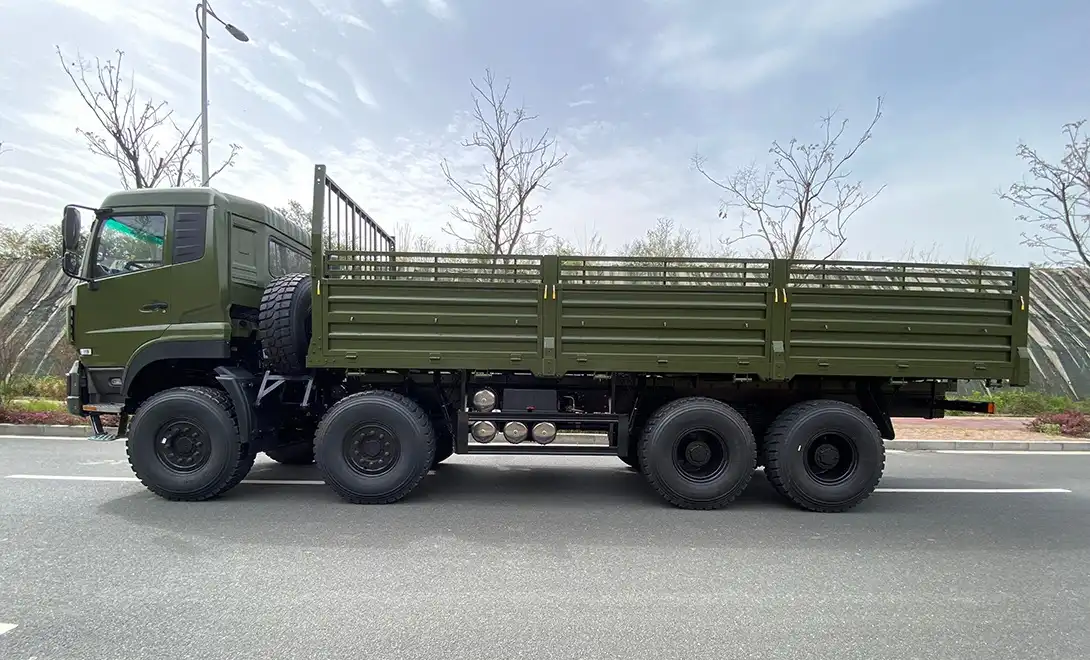
What Is an 8x8 Truck and How Does It Work?
An 8x8 truck utilizes an eight-wheel drive system where all wheels receive power from the engine, creating maximum traction and load distribution. The drivetrain typically includes a primary transmission, transfer case, and multiple differentials that manage power delivery to each wheel. Modern systems incorporate advanced electronic controls that monitor wheel slip, terrain conditions, and load distribution to optimize performance automatically. Engine options range from high-torque diesel powerplants to hybrid systems, with power outputs typically exceeding 400 horsepower to handle heavy payloads and steep gradients.
Advantages of 8x8 Trucks in Brazilian Engineering Applications
Because of their remarkable dependability and adaptability, eight-wheel drive trucks are a tremendous asset to Brazilian engineering projects. These vehicles are very useful for developing infrastructure because of the following benefits:
- Superior Off-Road Performance: Eight-wheel traction enables operation in muddy rainforest conditions, sandy coastal areas, and rocky mountainous terrain where conventional trucks cannot venture safely.
- Enhanced Load Capacity: Weight distribution across eight wheels allows for higher payload capacity while reducing ground pressure, protecting sensitive environmental areas.
- Improved Fuel Efficiency: Advanced drivetrain management systems optimize power delivery, reducing fuel consumption compared to tracked vehicles while maintaining similar capability.
- Reduced Operational Downtime: Redundant wheel systems provide continued mobility even with tire damage, ensuring project continuity in remote locations.
For Brazilian engineering businesses operating in a variety of geographical situations, these skills instantly translate into cost savings and operational efficiency.
Typical Use Cases in Brazil's Construction and Infrastructure Projects
Heavy-duty all-wheel drive trucks serve critical roles across multiple sectors of Brazilian infrastructure development. Construction companies utilize these vehicles for transporting materials to remote hydroelectric dam sites where conventional transport cannot reach. Mining operations in the Amazon and Cerrado regions depend on eight-wheel drive systems for hauling equipment and personnel across unstable terrain. Military and emergency response organizations employ these trucks for disaster relief operations during flooding seasons when standard vehicles become ineffective.
Challenges Faced by Brazilian Firms When Sourcing 8x8 Trucks Internationally
Brazilian engineering businesses must carefully handle the specific challenges presented by international procurement of specialist vehicles. A major obstacle to regulatory compliance is that imported cars have to adhere to Brazilian safety, emissions, and technological requirements, which might be quite different from those of other countries. Complex certification procedures are often required for customs clearance documentation, which, if improperly handled, may cause project timetable delays.
Common Procurement Obstacles
When obtaining heavy-duty vehicles abroad, Brazilian companies face a number of persistent difficulties. Safety paperwork that satisfies Brazilian standards, environmental compliance certifications, and approval from the National Institute of Metrology, Quality and Technology (INMETRO) are all necessary for certification. Due of the substantial influence that import taxes and charges may have on the entire cost of ownership, proper budgeting and financial planning are necessary. When specialized maintenance or repairs are required in distant areas far from manufacturer service facilities, the availability of technical assistance becomes critical.

Comparing Traditional Procurement vs. Direct Sourcing from China
Purchasing directly from Chinese producers has several benefits over using conventional importers and wholesalers. as dealing directly with manufacturing partners, customization choices greatly increase, and cost reductions often range from 25 to 40% as compared to buying via middlemen. When distribution tiers are removed, lead times often shorten, and direct manufacturer connections improve technical support's responsiveness. Factory inspections and direct connection with engineering teams that comprehend particular project needs enhance quality control.
Step-by-Step Approach to Sourcing 8x8 Trucks from China
A methodical strategy that takes into account supplier assessment, technical requirements, and compliance verification is necessary for successful procurement. Brazilian businesses are required to provide precise specifications that take into consideration long-term maintenance concerns, local operating circumstances, and legal requirements. The first step in this process is a thorough requirements analysis, which is followed by stages for supplier selection, qualification, and contract negotiation.
Defining Procurement Needs and Selection Criteria
The first step in an efficient procurement process is the creation of comprehensive requirement specifications that include technical, operational, and regulatory aspects. In Brazilian engineering projects, normal cargo kinds and weight distributions must be taken into consideration when determining payload requirements. Engine specs should take into account the intended operating areas' environmental restrictions, maintenance infrastructure, and fuel availability. It is necessary to assess drivetrain layouts in light of anticipated terrain types, gradient needs, and operating frequency patterns.
Identifying and Evaluating Chinese 8x8 Truck Manufacturers
From specialist commercial 8x8 truck manufacturers to well-known military vehicle makers, Chinese manufacturers have a wide range of skills. Production capacity, technological know-how, worldwide export experience, and ISO certification status should all be considered evaluation factors. Factory audits provide important insights into production capacity, technological support infrastructure, and quality control procedures. Insights into supplier performance and dependability may be gained via references from past Latin American or Brazilian clients.
Negotiation, Customization, and Compliance Checks
Customization needs, compliance certifications, and after-sales support clauses must all be discussed during contract discussions. Modifications that are unique to Brazil often include safety features, emissions control systems, and paperwork packages that satisfy regional legal requirements. In addition to guaranteeing manufacturer cash flow for production scheduling, payment terms should provide protection via escrow agreements or letters of credit. Prior to shipping and delivery acceptance, quality assurance procedures must be established to confirm adherence to requirements.
Logistics, Import Procedures, and After-Sales Maintenance in Brazil
Successful importation requires careful coordination of shipping arrangements, customs procedures, and post-delivery support systems. Ocean freight represents the most cost-effective shipping method for heavy vehicles, though transit times typically range from 30-45 days depending on departure ports and routing. Air freight options exist for urgent requirements but carry substantially higher costs that may impact project economics.
Shipping and Customs Clearance Essentials
Shipping plans need to take into consideration the weight distributions, vehicle dimensions, and security needs for shipping by sea. To avoid damage while in transportation, container loading calls for certain tools and methods. Commercial invoices, bills of lading, certificates of origin, and compliance certifications are examples of customs paperwork that has to be produced precisely to prevent delays. Detailed technical paperwork that attests to adherence to national vehicle norms and environmental rules is required by Brazilian customs officials.
Setting Up Maintenance and Spare Parts Supply Chains
Establishing dependable networks for maintenance and parts delivery inside Brazil is essential to long-term operational success. Local technicians should participate in maintenance training programs to guarantee correct service techniques and warranty compliance. Lead times from China, the identification of important components, and local storage needs must all be taken into account when designing a spare parts inventory. When problems occur, service agreements with competent maintenance providers assist guarantee quick repair capabilities and reduce operating downtime.

JCM: Your Trusted Partner in Heavy-Duty Vehicle Procurement
JCM is a prominent company that specializes in bespoke automobile solutions designed to satisfy a wide range of market needs in international marketplaces. JCM maintains technological excellence with extensive engineering skills, with research and development facilities strategically placed in Xiamen for bus manufacture and Shiyan for truck development. Through the integration of global talent, suppliers, and customers, the company's "Surfing" automotive industry platform enables creative product creation and quick modification across the whole vehicle lifetime.
About JCM – Your Reliable 8x8 Truck Manufacturer
JCM relies on demand-driven aggregation of manufacturing capabilities and works using a complete industry chain thinking approach. This technique guarantees collective production and competence assurance across industry chain professionals while facilitating the quick delivery of small-batch and customized automobiles. Team members are intrinsically motivated to create value-driven solutions that satisfy particular client needs because of the company's adaptable, self-operating organizational structure, which can be adjusted to project-based objectives.
Our Comprehensive Product Range and Manufacturing Solutions
Specialized 8x8 trucks designed for demanding uses, such as heavy-duty commercial, military, and construction, are part of JCM's portfolio. Complete car production lines, body welding systems, assembly fixtures, and battery and drive motor component manufacture are all examples of manufacturing skills. Planning, supply chain management, equipment selection, and process optimization are all covered by the company's all-inclusive solutions for building local production lines. Technical assistance and consulting services guarantee effective manufacturing processes, and expert training courses assist local employees in becoming proficient in quality control and assembly techniques.
Conclusion
Brazilian engineering firms can achieve significant operational and financial advantages by sourcing eight-wheel drive vehicles directly from Chinese manufacturers. Success requires systematic approaches to supplier evaluation, technical specification development, and compliance verification. JCM's comprehensive solutions and industry expertise provide Brazilian companies with reliable pathways to acquire specialized vehicles that meet demanding project requirements while ensuring long-term operational success.
Frequently Asked Questions
What are the key technical specifications to consider when buying an 8x8 truck?
Critical specifications include engine power output (typically 400+ horsepower), payload capacity (ranging from 10-25 tons), drivetrain configuration, ground clearance, approach/departure angles, fuel tank capacity, and electronic control systems. Brazilian buyers should verify emissions compliance, safety features, and documentation packages that meet national regulatory requirements.
How does sourcing 8x8 trucks from China compare cost-wise to local options in Brazil?
Direct sourcing from Chinese manufacturers typically provides 25-40% cost savings compared to local distributors or European suppliers. Total cost calculations should include import duties (ranging from 14-35%), shipping expenses, insurance, and customs clearance fees. Despite additional costs, Chinese sourcing often remains significantly more economical than domestic alternatives.
What are the typical lead times for delivery and customs clearance for trucks imported from China?
Standard lead times include 60-90 days for vehicle production, 30-45 days for ocean shipping, and 7-14 days for customs clearance in Brazilian ports. Rush orders may reduce production timelines but often involve premium pricing. Proper documentation preparation and customs broker engagement can minimize clearance delays and ensure smooth delivery processes.
Partner with JCM for Your Heavy-Duty Vehicle Requirements
JCM's expertise in customized automotive solutions and comprehensive manufacturing capabilities position us as your ideal 8x8 truck supplier for Brazilian engineering projects. Our whole industry chain approach ensures seamless procurement experiences from initial consultation through after-sales support. We invite engineering firms, fleet operators, and project managers to explore our specialized vehicle solutions tailored to demanding operational requirements. Connect with our technical team to discuss your specific project needs and discover how our manufacturing expertise can enhance your operational capabilities. Contact us at info@jcm-star.com to begin your procurement journey with a trusted industry partner.
References
1. Brazilian Association of Automotive Vehicle Manufacturers. "Heavy Duty Vehicle Import Statistics and Market Analysis 2023." Annual Industry Report, São Paulo, 2023.
2. Ministry of Development, Industry and Foreign Trade. "Import Procedures and Regulatory Compliance for Commercial Vehicles." Brazilian Government Publication, Brasília, 2023.
3. Latin American Construction Equipment Review. "All-Wheel Drive Systems in Infrastructure Development." Quarterly Technical Journal, Volume 45, Issue 3, 2023.
4. China Association of Automobile Manufacturers. "Export Market Analysis: Heavy Commercial Vehicles to South America." Beijing Industry Publication, 2023.
5. Brazilian Institute of Geography and Statistics. "Transportation Infrastructure Development in Remote Regions." National Statistics Office, Rio de Janeiro, 2023.
6. International Heavy Duty Vehicle Engineering Conference. "Advanced Drivetrain Technologies for Extreme Terrain Applications." Conference Proceedings, São Paulo, 2023.

_1755581003287.webp)


_1756108840480.webp)
_1755854765757.webp)