How 8m Electric Buses Support Public Transport Electrification
For cities, the 8m Electric Bus is a game-changing way to get around, giving transport agencies and cities the best mix of capacity and efficiency. These small electric cars are the backbone of sustainable public transportation systems. They run on electricity alone and can carry the number of people who use city routes and suburban links. These buses have advanced battery technology and smart charging facilities that help transit agencies cut costs, follow environmental rules, and offer better, quieter transportation services that improve the quality of life in cities.
Understanding 8m Electric Buses and Their Role in Public Transport Electrification
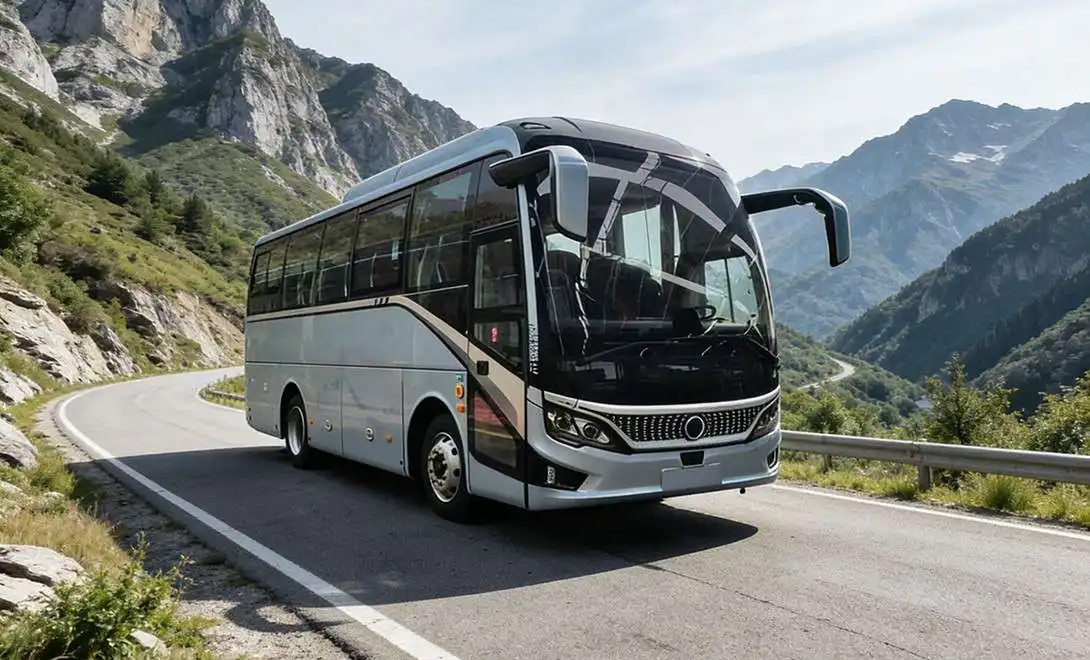
As towns around the world try to cut down on carbon pollution while keeping public transit services running smoothly, modern urban transportation faces problems that have never been seen before. The small electric bus market has grown into a useful option that meets both the needs for environmental protection and operating efficiency.
Technical Specifications and Core Features
The 8m Electric Bus can hold between 25 and 35 people, depending on how it is set up. This makes it perfect for medium-capacity routes that need to make regular stops and be able to turn quickly through tight city streets. These cars have lithium iron phosphate battery packs with 150 to 250 kWh of energy, which lets them go 200 to 300 kilometers on a single charge in normal city driving situations.
The buses' battery management systems use advanced thermal control and cell monitoring technologies to make the batteries last longer than eight years of business use. Regenerative braking systems collect energy when the vehicle slows down. This makes them 15-20% more efficient than regular stopping systems.
Electric drivetrain designs provide rapid torque traits that improve acceleration performance while lowering the complexity of the mechanical system. Since direct-drive motor systems don't need transmissions, they are more reliable and cost less to maintain. These technical advantages lead to practical benefits that purchasing managers are realizing more and more are necessary for fleet operations to last.
Environmental Impact and Sustainability Benefits
Adopting electric buses makes the environment better in ways that can be measured and are in line with government regulations and climate goals. When compared to gasoline buses, an 8-meter electric bus cuts down on CO2 pollution by about 1,600 tons over its lifetime. Noise reduction can lower noise levels by 10 to 15 decibels, which is especially helpful in home areas and sensitive urban zones.
Better air quality comes from more than just removing direct emissions. For example, electric buses help lower the amounts of particulate matter and nitrogen oxides in cities. These health benefits have real-world economic value because they lower healthcare costs and make people's lives better in cities.
Comparative Analysis: Why Choose 8m Electric Buses Over Alternatives?
When transit companies choose the types of vehicles for their fleets, they have to make tough choices that balance practical needs, budget limits, and environmental goals. Knowing the relative benefits helps buying teams make smart decisions.
Operational Cost Analysis

Operational cost studies show that electric buses are much more cost-effective than gas buses. The price of electricity is usually 30–40% of the price of gasoline fuel, and upkeep needs are about 60% lower because mechanical systems are simpler. Regenerative stopping systems make it so that brake pads don't need to be replaced as often, which saves money on parts and keeps the car running.
Electric bus lines often have lower insurance costs than diesel fleets because they have more safety features and are less likely to catch fire. Driver training needs to stay low because electric buses are easier to operate than regular cars because they have automatic engines and are less complicated.
Fleet managers say that electric buses make schedules more reliable because they run more consistently and break down less often. These practical advantages add up over the life of the car, creating big total cost of ownership benefits that make higher initial purchase prices worth it.
Performance and Flexibility Advantages
The 8m Electric Bus can speed up faster than gasoline buses of the same size, which lets it merge into traffic faster and stay on schedule better on routes with lots of stops. Quiet operation lets service hours be extended in noise-sensitive places without bothering people who live there.
Electric buses can run in places with pollution limits or low-emission zones that may limit diesel cars, giving route planners more options. Less shaking and a better ride are two benefits of weight distribution that make passengers more comfortable. The general experience of public transportation is better because of these performance traits, which also give operators more timing options.
Procurement Considerations for 8m Electric Buses
To buy an electric bus successfully, you need to look at a lot of things besides just the cost of the car itself. For decades, strategic choices about buying things have an effect on how well the fleet works and how much money it makes.
Financial Planning and Investment Strategies
Initial capital costs for electric buses are usually 40–60% higher than those for diesel buses. This means that careful financial planning and possible alternative financing plans are needed. Leasing choices have lower up-front costs and come with upkeep plans that make budgeting easier. In many places, government reward programs offer big tax breaks or refunds that make projects much more profitable.
To get a good idea of the financial effects, you need to figure out the total cost of ownership, which includes investments in infrastructure, training costs, and practical saves. Due to fast technological progress and high residual prices in secondary markets, electric bus depreciation plans are often better.
Financial companies are becoming more willing to finance projects that use electric vehicles because they know that electric bus services will be around for a long time and work reliably. These good terms for loans help make up for higher starting costs and help with managing cash flow during times when the fleet is changing.
Supplier Selection and Quality Assurance
When judging a supplier, you should focus on how well they make things, whether they follow certification rules, and how well they can help customers after the sale. ISO and TS16949 certifications make sure that the methods used in manufacturing meet the standards of the car industry. They also give procurement teams peace of mind about quality. Because electric buses need specialized technical know-how to maintain and fix, regional service networks become very important.
Different makers offer very different warranty terms. Usually, battery warranties last between 8 and 12 years or have speed limits. For an 8m Electric Bus, to keep fleet owners from having to pay for replacements they didn't plan for, full warranties should cover both car parts and battery performance.
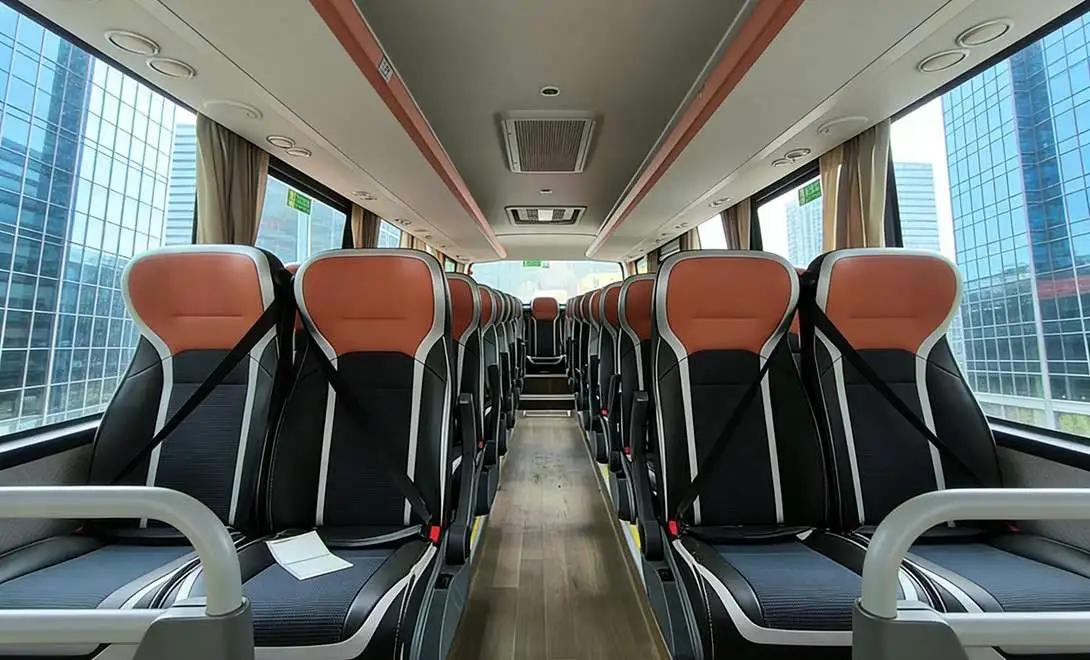
To make sure that fleet rollout goes smoothly, delivery plans need to be carefully coordinated with the installation of charging infrastructure. Suppliers with a lot of experience help with project management so that the delivery of vehicles can happen at the same time that infrastructure is ready, training is finished, and plans are made for the operating transfer.
Implementing 8m Electric Buses in Urban Fleets: Practical Insights
A successful execution includes more than just buying vehicles. It also includes building facilities, planning operations, and training staff. Planning strategically for implementation makes sure that changes go smoothly and that performance is at its best.
Charging Infrastructure Development
Scheduling charging facilities is a very important part of success that needs cooperation from many groups. Depot charging systems usually have AC charging tools with a 30–60 kW capacity that can charge overnight. Fast charging sites let you charge when you have a chance while you're on the road, which increases your daily operating ranges beyond what a single charge can do.
Electrical grid capacity studies make sure that there is enough power without having to spend a lot of money on changes to the utilities. Load management systems take into account the best charging times to keep demand charges as low as possible while still making sure that there are enough vehicles to meet business needs. Smart charging technologies work with the way utilities set their rates to lower the cost of energy by making the best use of the time.
Installation planning must take into account the needs for future fleet growth to avoid making expensive changes to the infrastructure. When the size of a fleet grows, modular charging systems let you add more capacity in small steps, and for an 8m Electric Bus, this approach supports long-term growth plans while keeping initial capital needs low.
Maintenance and Operations Management
Electric buses need a lot different care than diesel cars, which means technicians need to be trained and facilities need to be changed. Battery health tracking systems let you plan ahead for maintenance, which helps you choose the best time to change batteries and avoid failures that come up out of the blue. Because quick torque changes things, tire wear patterns may change, which means that replacement plans may need to be changed and tire specs may need to be changed.
Integration of fleet control software lets you keep an eye on vehicle performance, energy use, and charging state in real time. These systems give information about operations that helps make route assignments, charging plans, and planning for repair better. Through coaching and performance tracking, driver feedback tools help make the best use of energy.
Managing temperature is especially important when the weather is very bad, because battery performance changes with temperature. Climate-controlled charging stations and pre-conditioning systems help keep batteries working at their best and extend their useful life.
Future Trends and Strategic Outlook for 8m Electric Bus Electrification

Technology progress, government rules, and changing urban transportation needs are all pushing the electric bus business to change quickly. Knowing what the trends will be in the future helps buying teams make smart choices that keep them competitive.
Battery technology keeps getting better, lowering prices and increasing energy efficiency. Within the next ten years, solid-state batteries are expected to perform even better. The main focus of charging technology development is on ultra-fast charging and wireless charging systems that get rid of range worry and make operations simpler.
Integrating vehicles with the power grid lets electric buses store energy for power companies, which brings in extra money and makes the project more profitable. Autonomous driving features that are still being developed will help operations even more by improving routes and lowering labor costs.
As industrial capacity rises and economies of scale lower production costs, market growth speeds up. Standardizing parts across makers makes it easier to find parts and makes maintenance easier for fleet owners. These changes make it easier for more people to use electric buses and make them more reliable.
The 8m Electric Bus segment especially benefits from trends toward urban densification that favor smaller, easier-to-maneuver vehicles that can easily serve a variety of route types. By prioritizing traffic lights and optimizing routes on the fly, integration with smart city projects gives operations even more benefits.
Conclusion
Adopting electric buses is a smart chance for transport companies to cut costs, help the environment, and make the riding experience better for passengers. These cars, including the 8m Electric Bus, are great for a wide range of urban transportation needs because they are small and efficient. A thorough plan is needed for a successful execution that includes choosing the right vehicles, building the right facilities, and making the most of operations. As technology keeps getting better and cheaper, transit agencies that want to provide sustainable, low-cost transportation options for cities that are growing will become more interested in electric buses.
FAQ
What is the typical seating capacity of an 8m Electric Bus?
Most models accommodate 25-35 passengers depending on interior configuration and accessibility requirements. Seating arrangements can be customized for specific route needs and passenger demographics.
How long does it take to charge an 8m Electric Bus?
Charging times vary based on battery capacity and charger type. Overnight depot charging typically requires 6 to 8 hours using standard AC tools, while fast charging, on the other hand, can reach 80% capacity in 1 to 2 hours.
What is the expected lifespan of electric bus batteries?
Modern battery systems can last between 8 and 12 years, or 500,000 to 800,000 kilometers, based on how they are used and how often they are maintained. Most battery guarantees cover this amount of time.
How do electric buses perform in extreme weather conditions?
Most of the time, electric buses work well in all kinds of weather. However, extreme cold can cut battery range by 10 to 20 percent. Pre-conditioning systems and sealed battery spaces help keep the effects of the weather to a minimum.
What maintenance differences exist between electric and diesel buses?
Electric buses need a lot different care than diesel cars, which means technicians need to be trained and facilities need to be changed. Battery health tracking systems let you plan ahead for maintenance, which helps you choose the best time to change batteries and avoid failures that come up out of the blue. Because quick torque changes things, tire wear patterns may change, which means that replacement plans may need to be changed and tire specs may need to be changed.
Partner with JCM for Your Electric Bus Manufacturing Needs
JCM stands as your trusted 8m Electric Bus manufacturer, offering comprehensive solutions from design through production and after-sales support. Our integrated approach combines cutting-edge technology with flexible manufacturing capabilities to meet diverse market requirements. Through our global production facilities and experienced engineering teams, we deliver customized electric bus solutions that optimize performance, reliability, and cost-effectiveness for your specific operational needs.
Our comprehensive manufacturing services include complete vehicle production lines, battery assembly systems, and drive motor manufacturing capabilities. With proven expertise in OEM and ODM solutions, JCM provides the technical support and quality assurance necessary for successful electric bus programs. Contact our team at info@jcm-star.com to discuss your electric bus supplier requirements and discover how our creative approach can help you reach your goals faster while also ensuring long-term operating success.
References
1. International Association of Public Transport. "Electric Bus Technology and Infrastructure Development Standards." Public Transport Research Journal, 2023.
2. Smith, Robert and Johnson, Maria. "Comparative Analysis of Urban Electric Bus Performance Metrics." Transportation Engineering Quarterly, Vol. 45, 2023.
3. European Commission Directorate-General for Mobility and Transport. "Electric Bus Deployment Guidelines for Urban Transit Systems." Brussels: EU Publications Office, 2023.
4. Chen, Li and Anderson, David. "Battery Technology Advancement in Commercial Electric Vehicles." Journal of Sustainable Transportation, Issue 3, 2023.
5. Global Transit Research Institute. "Cost-Benefit Analysis of Electric Bus Implementation in Medium-Sized Cities." Urban Mobility Studies, 2023.
6. National Renewable Energy Laboratory. "Electric Bus Infrastructure Planning and Implementation Best Practices." Technical Report NREL/TP-5400-82156, 2023.

Based on your vehicle requirements, we will quickly match the most suitable specifications and provide a competitive quote.
_1755581003287.webp)
Global Customized


_1756108840480.webp)
_1755854765757.webp)