Forestry and Mining Transport Trucks: What Makes Them Different
For example, forestry and mining transport trucks work in tough conditions that need special technical methods to deal with specific problems. Both forestry trucks and mining transport trucks are used in heavy industries, but forestry trucks are designed to carry trees over rough forest terrain with advanced suspension systems, while mining transport truck designs are built to carry ore and materials across rough mine sites with maximum carrying capacity and sturdiness. Different types of loads, structural reinforcement, and working needs make these cars very different, so picking the right one is very important for safety and efficiency.
Understanding Forestry and Mining Transport Trucks
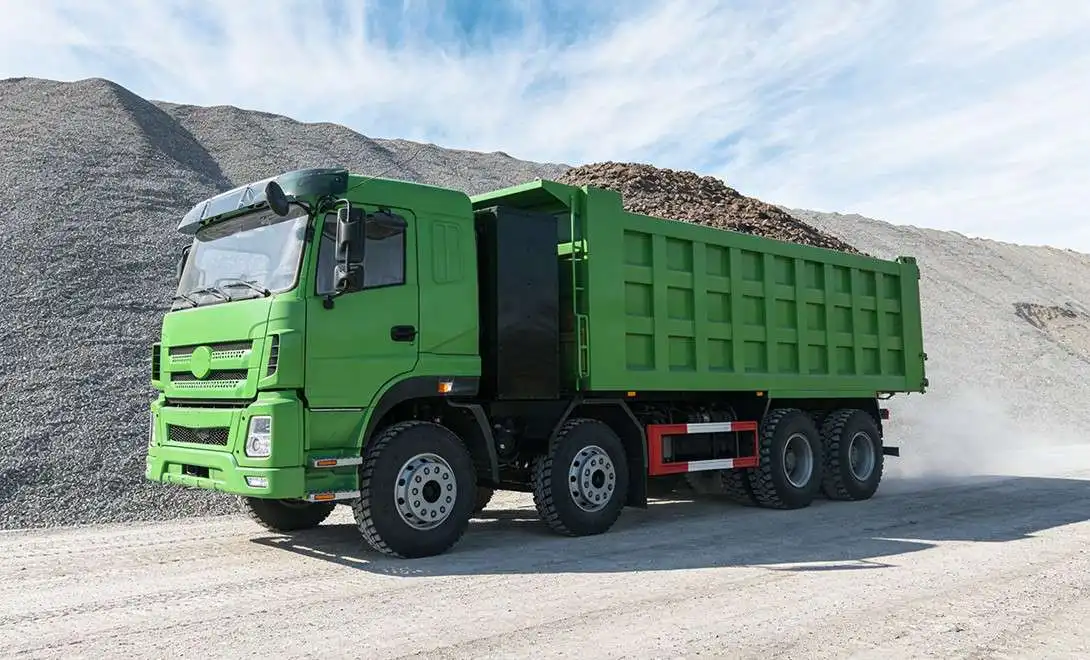
Specialized vehicles made to meet specific working needs are used in the heavy industry transportation field. Using chassis shapes that are both light and strong, forestry trucks are great at getting through narrow forest roads while moving logs and other wood products. The ground clearance on these trucks is higher, and they have special loading systems made for woodland work.
Mining companies need their transportation fleet to be able to do very different things. A mining transport truck has to be able to handle being exposed to dust, waste, and corrosive materials all the time while still being able to carry a lot of weight. Instead of focusing on movement, engineers are now more interested in how long structures and parts last.
Key Operational Differences
Procurement managers can make better choices when they know the main differences between these types of trucks. Forestry trucks usually work on well-known logging roads with modest grade changes. Mining vehicles, on the other hand, have to go through uncertain landscapes with steep slopes and uneven surfaces.
Another important difference is the load properties. The weight of loads made of wood is spread out pretty evenly across the truck bed. But loads made of mining materials tend to create stress spots that need to be strengthened in the frame. These operational facts have a direct effect on the specs and choice of parts for the car.
Terrain Adaptation Requirements
When working in forests, cars need to be able to get between trees and over uneven ground. Longer trip lengths and softer spring rates are used by suspension systems to keep traction while keeping goods from vibrating too much. The ground is harder on mining sites because they are very rough and could have obstacles. Mining trucks have shorter, stronger suspensions that are designed to keep the truck stable when it's carrying big loads rather than making the ride comfortable.
Types and Features of Forestry and Mining Transport Trucks

Different types of truck designs are used in the mining and wood industries because each job is very specific. Different kinds of trucks are used in forestry, such as self-loading log trucks, pole trailers, and chip wagons. Each design meets a different set of needs for transporting wood while still being able to be used in confined forest areas.
A wider range of vehicle types are used in mining activities to meet a wide range of material moving needs. Rigid dump trucks are the backbone of most mining operations, while flexible haulers work best on rough ground. Off-highway trucks, which are made for work on mine sites, make up the largest group.
Forestry Truck Configurations
Self-loading forestry trucks have hydraulic cranes and grapples built in, so workers don't need any other tools to load wood. By mixing transportation and loading functions into a single unit, these trucks make operations as efficient as possible. Pole trucks can carry very long loads of wood thanks to their unique flexible designs. Damage to the road is avoided by the longer length spread, and the vehicle's weight stays within the legal limits in many places.
Mining Vehicle Categories
Articulated dump trucks can move more easily and grip surfaces better when they're not stable. The flexible joint lets the front and back parts move separately, which keeps the truck's grip when other trucks lose it. Rigid mining transport truck designs put carrying capacity ahead of being able to turn. The frames of these vehicles are strengthened, and the wheels are heavy-duty so they can carry loads of more than 100 tons in extreme situations.
Safety and Protection Systems
Forestry and mine trucks both have a lot of safety features, but the goals change depending on the risks of the job. For safe travel through tight areas, forestry trucks focus on rollover safety and better vision. When mining trucks are used, the operators' safety from flying objects and harsh weather is their top priority. Improved air systems and reinforced cabs keep workers safe from dust while keeping the workplace warm.
Performance Factors and Optimization in Harsh Environments
For logging and mining to work efficiently, the skills of the vehicles must be matched to the needs of the surroundings. Because of the rural sites and long working cycles common in both industries, fuel economy becomes very important. Modern engine control systems make the best use of power transfer depending on the terrain and the load.
Load management techniques have a big effect on both efficiency and the life of parts. Proper weight distribution lowers stress concentrations and makes the car more stable and better at stopping. Modern mining transport truck designs have high-tech systems that keep an eye on the loads and let workers know what's going on at all times.
Powertrain Technologies
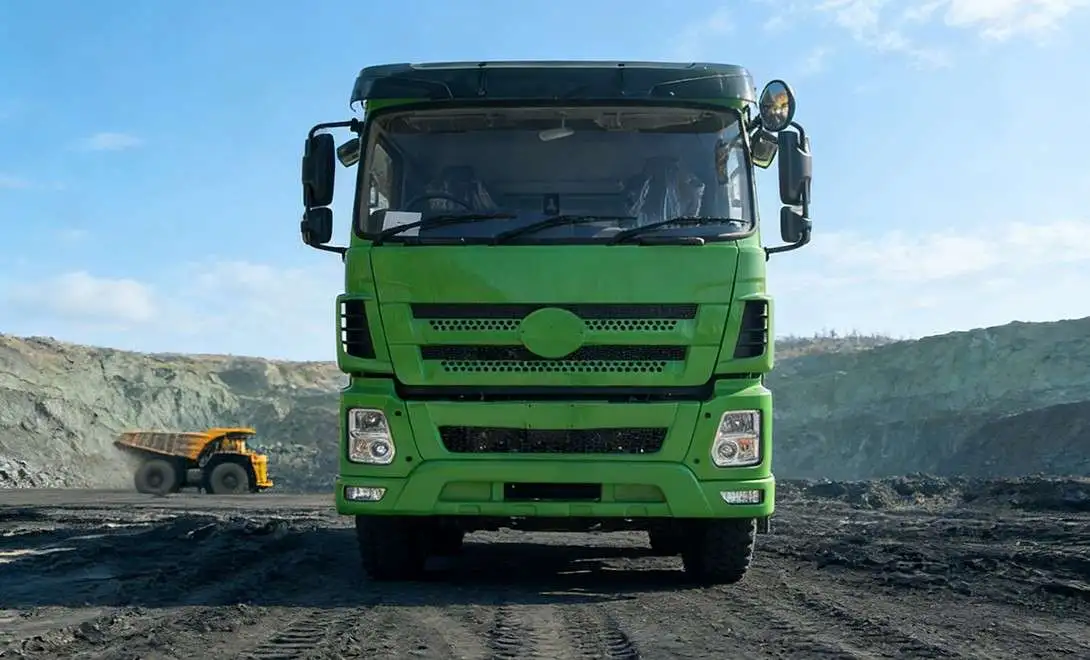
Diesel engines are still the most common choice for forestry and mining jobs because they have high power and can be filled up in rural areas. Turbocharging and improved injection systems increase power output while lowering emissions to meet stricter environmental rules. In mines, where regenerative brakes can recover energy during downhill loaded runs, hybrid powertrains are becoming more popular. These systems lower the amount of fuel that is used and add power during the climbing parts of the operating cycle.
Electric drive systems have a lot of potential in certain situations. For example, they could be very useful in deep mines, where reducing emissions would greatly improve operations. Battery technology keeps getting better, which means that electric mining trucks can go farther.
Maintenance Optimization Strategies
When working conditions are bad and service places are far away, preventative maintenance plans are needed more than ever. Predictive maintenance technologies use data from sensors to find parts that might break before they stop working, which keeps operations running smoothly. Critical factors, such as engine performance, hydraulic system pressure, and brake wear rates, are tracked by condition tracking systems. With this information, maintenance teams can find the best service times and keep unexpected problems from happening.
Standardizing parts across a fleet of cars cuts down on the need for extra parts storage and makes it easier for technicians to learn how to fix things. Strategic parts buying makes sure that important parts are available in working areas that are far away.
Procurement Guide for Forestry and Mining Transport Trucks
Choosing the right delivery trucks requires a careful comparison of practical needs with the capabilities of the vehicles on hand. The best way to set up a vehicle depends on its payload needs, the location, and how often it will be used. Long-term value is better judged by the total cost of ownership rather than the original buying price.
Customization choices let vehicles meet unique operating needs that can't be met by stock configurations. You can change things like engine power, transmission ratios, and body shapes to get the best results for a certain job. Working with providers who can offer unique solutions makes sure that cars exactly meet the needs of operations.
Evaluation Criteria Framework

When figuring out load capacity, you should look at both the weight and volume needs throughout the whole process. For some uses, weight capacity is more important than mass economy based on the density of the material. The terrain suitability review looks at the grade, the amount of ground clearance needed, and the needs of the traction system. Each use for a mining transport truck comes with its own set of terrain problems that affect the choice of vehicle.
Operational cost analysis looks at things like how much fuel is used, how often repair is needed, how much training operators need, and how easy it is to get parts. Vehicles that have been proven to be reliable and have large service networks are especially helpful for tasks that are done from a distance.
Supplier Selection Considerations
The name of the manufacturer and the size of their service network have a direct effect on their long-term operating success. Established suppliers with a location around the world can better support activities that take place in different countries and provide consistent service processes.
With customization options, providers can change cars to fit specific needs. Suppliers who have access to technical tools can come up with answers for operational problems that standard goods can't solve. Training and support services help workers get the most out of their vehicles while lowering the risks they face on the job. By teaching people the right way to use tools, comprehensive training programs lower the number of accidents that happen and make it last longer.
Future Trends and Innovations in Forestry and Mining Transport Trucks
Transport options for forests and mines are always changing as technology improves. Self-driving cars have a lot of potential in mining, where standardized surroundings and repeating paths make them easier to use. These methods make things safer and allow for ongoing operation cycles. As battery technology gets better and environmental rules get stricter, the move toward electrification speeds up. Designs for electric mining transport truck units get rid of local pollution and noise in sensitive places.
Emerging Technologies
Telematics tools let you see more than ever before about how a car is performing and how its driver is acting. Fleet managers can find the best routes, keep an eye on how much fuel is being used, and plan repairs based on real usage data instead of guesstimated times.
Modern materials, like high-strength steels and plastic parts, make vehicles lighter while still keeping their structural integrity. Losing weight makes the vehicle last longer and use less fuel without affecting its ability to carry weight. Better connections let cars and central control systems talk to each other in real time. This skill makes coordinated actions possible and lets you respond right away to emergencies.
Environmental Compliance
Emissions rules are getting stricter around the world, which is leading to new engine technologies and different powertrains. Manufacturers put a lot of money into coming up with solutions that meet regulatory standards and keep their operating powers.
As activities grow closer to populated places, noise reduction technologies become more important. Modern filter designs and electric powertrains make noise pollution much less of a problem than older diesel systems. Companies that care about the environment make buying choices based on sustainable production practices. Suppliers who show they are committed to sustainable methods have an edge when it comes to the procurement process.
Conclusion
Forestry and mining transport trucks have specific jobs that need different technical methods to meet practical needs. Knowing these differences helps you choose the right car and run your business more efficiently. As environmental laws and technology change, both sectors are constantly changing their transportation options to stay efficient and meet their sustainability goals. For these difficult applications to work well in the long term, the right buying strategies must take into account the total cost of ownership, the ability to customize, and the support provided by the provider.
FAQ
What are the main differences between forestry and mining transport trucks?
Forestry trucks focus on being easy to turn and having loading systems that are made for wood, while mine trucks try to carry as much as possible and last as long as possible in rough circumstances. Mining trucks are built to handle rough materials, so they are heavy and have special parts for that.
How do terrain requirements differ between forestry and mining operations?
For forest work, you need cars that can handle rough terrain and tight areas between trees. In mining, trucks need to be able to handle very rough surfaces and high grades while still staying stable when carrying big loads.
What kinds of customization options are available for specialized applications?
Options for customization include engine specs, transmission ratios, body styles, and the ability to integrate specialized equipment. Based on the needs of the operation, suppliers can change suspension systems, add protection coats, and attach devices that are made for that purpose.
How important is supplier service network coverage?
Service network access is important for both mine and forestry activities because they are in remote areas and have tight schedules. Large suppliers with lots of service networks keep downtime to a minimum and make sure items are available when they're needed.
Contact JCM for Mining Transport Truck Solutions
Customized mining transport truck options that meet the strict needs of heavy industry activities are what JCM does best. Our all-around method includes designing vehicles, setting up production lines, and providing ongoing technical help to make sure they work at their best in tough conditions. With research and development facilities and a footprint around the world, we can offer custom solutions that meet the needs of each business while still being cost-effective. Contact our team at info@jcm-star.com to talk about your needs for a mining transport truck provider and find out how our integrated manufacturing skills can help your business succeed.
References
1. Smith, J.A. "Heavy Duty Vehicle Engineering for Extreme Environments." Industrial Transportation Quarterly, Vol. 45, No. 3, 2023.
2. Rodriguez, M.C. "Comparative Analysis of Forestry and Mining Vehicle Specifications." Heavy Equipment Review, 2023.
3. Thompson, K.L. "Advanced Materials in Off-Highway Vehicle Construction." Materials Science in Transportation, Vol. 12, 2023.
4. Zhang, W. "Electrification Trends in Heavy Industry Transport Systems." Clean Technology Journal, Issue 8, 2023.
5. Anderson, P.R. "Total Cost of Ownership Analysis for Specialized Transport Vehicles." Fleet Management Today, Vol. 28, 2023.
6. Williams, D.S. "Safety Systems and Regulatory Compliance in Mining Transportation." Safety Engineering Review, Vol. 15, No. 4, 2023.

Based on your vehicle requirements, we will quickly match the most suitable specifications and provide a competitive quote.
_1755581003287.webp)
Global Customized


_1756108840480.webp)
_1755854765757.webp)