Electric vs Diesel Commercial Vehicles: A Buyer’s Decision Guide
Choosing between electric and diesel powertrains represents one of the most critical decisions facing commercial vehicle operators today. This comprehensive guide examines the key factors that influence purchasing decisions, helping fleet managers, procurement specialists, and automotive manufacturers navigate the evolving landscape of commercial transportation. From operational costs to performance capabilities, understanding the advantages and limitations of each technology empowers businesses to make informed investments that align with their operational needs and sustainability goals.
Understanding Total Cost of Ownership
There are many more costs involved with owning a business car than just the original buying price. Electric business cars usually cost more to buy up front, but they save a lot of money in the long run because they use less fuel and require less upkeep. Fleet owners say that electric buses and trucks don't need oil changes, have less worn-out brakes thanks to regenerative systems, and need fewer fixes related to the engines. Diesel cars still have benefits when it comes to buying prices and set financial systems.
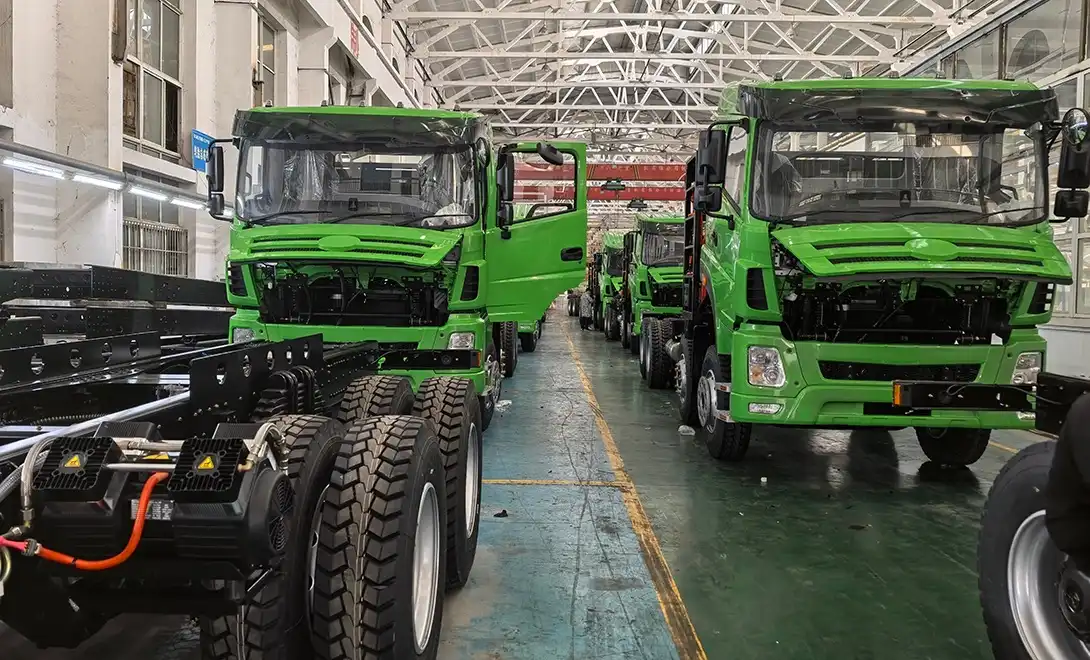
The mature technology has wide-spread service networks and repair dates that are easy to plan for. But rising fuel prices and stricter rules on emissions put long-term cost pressures on businesses that buy things. Smart procurement managers need to think about these pressures. The cost of energy is another important factor. Diesel prices change a lot, but electricity rates stay pretty stable, which helps truck owners plan their budgets better.
Depending on local utility rates and how well the charging system is set up, the energy costs for commercial electric cars can be the same as gasoline at $1 to $2 per gallon. Tax breaks and government aid have a big effect on the economic study. Many places offer big discounts for buying electric industrial commercial vehicle while putting in place carbon taxes or low-emission zones that hurt businesses that use diesel engines. Because these policy frameworks are always changing, flexibility is an important thing to think about when planning for the long term of a fleet.
Performance and Operational Capabilities
Modern electric business cars have great power qualities that help with stop-and-go operations and delivery work in cities. When used in transit, electric motors provide fast movement and smooth power transfer, which makes drivers less tired and passengers more comfortable. The quiet operation also lets service hours be stretched in places that can't handle noise. The biggest problem with electric business cars is that they have limited range. For most uses, current battery technology can go 150 to 300 miles on a single charge.
This is enough for local and urban services and transportation, but it might not be enough for long-distance freight operations. In cold conditions, speed can drop by another 20–30%, so it's important to plan your routes carefully. Diesel trucks are great for heavy-duty jobs and hauling things over long distances. A well-established refilling system allows for quick return times, and the higher energy density supports longer ranges.
Modern diesel engines have more advanced pollution control systems than older ones, which makes them much better for the environment. Both systems are affected by load capacity in different ways. Electric cars have heavier batteries that make them unable to carry as much, but this problem is getting smaller as battery technology improves. Diesel cars are still better for situations where the highest gross truck weight is important and every pound of luggage counts.
Infrastructure and Support Networks
Charging infrastructure growth is very different in different areas and for different uses. DC fast-charging networks that are growing in cities usually have enough coverage for businesses, but coverage in rural areas is still limited. When looking to add electric commercial vehicle to their fleets, fleet owners need to look at both the charging powers of depots and the charging needs of routes. For large-scale business car electrification, the ability of the electricity system and relationships between utilities become very important.
To get the best charging prices and grid effect, fleet owners need a stable power source and maybe even demand control tools. For this infrastructure spending to work, transportation and energy planning need to work together very well. Diesel filling infrastructure is still widespread and well-developed. The established supply chain makes it possible to launch quickly and plan ahead for operating trends.
But stricter rules on diesel pollution make it hard to predict when and how much fuel will cost in cities in the future. There are clear similarities between systems in service and repair networks. Electric business cars need special training for technicians and diagnosis tools, but they need a lot less upkeep overall. Diesel cars have large repair networks and parts are easy to find, but upkeep is getting harder to do because of more modern emission control systems.
Environmental and Regulatory Considerations
Through pollution guidelines, low-emission zones, and ways to price carbon, regulations are becoming more and more in favor of electric business cars. European cities are ahead of the curve on this change, putting limits on diesel cars in the center of their towns. Similar rules are slowly being put in place in North American markets. Smart truck owners are already planning for these changes in regulations so that their operations don't get messed up. Electric cars don't release any pollution into the air, which is good for air quality in crowded cities.
The general effect on the environment relies on how the power grid is made up. Renewable energy sources have the most positive effects on the environment. As grid decarbonization speeds up, electric business cars become more appealing from an environmental point of view. Cleaner burning systems and alternative fuels like green diesel and biodiesel blends are helping diesel technology keep getting better. These changes make gasoline business cars more useful while also having less of an effect on the environment.
In many places, though, the basic trend toward electricity doesn't seem to be able to be stopped. Many choices about what business vehicles to buy are based on a company's pledge to environment. Companies are putting more emphasis on reducing carbon emissions and taking care of the environment in their supply chains. This means that electric cars are important for staying competitive and getting along with stakeholders.
Technology Evolution and Future Readiness
Battery technology is changing quickly. The next wave of devices promises to have higher energy density, charge faster, and last longer. Within the next ten years, solid-state batteries and other types could get rid of the current range restrictions on electric business cars, making them ideal for almost all uses. Self-driving technology works better with electric powertrains, which makes future transportation methods more efficient.
For controlled processes, modern computer systems and sensors need stable power sources, which electric business cars provide. Early users will have a competitive edge as these technologies come together. Diesel engine research focuses on making engines more efficient and making them work with other fuels. Advanced combustion methods and blend systems make the technology more useful while moving toward fuels that are made from sustainable sources.
But the speed at which electric vehicles are getting better makes it look like diesel will become less important in most business settings over time. Electric business cars with grid integration features can store energy and keep the grid stable, which opens up more ways to make money. Vehicle-to-grid technology lets fleet owners make money off of battery power when commercial vehicle are not in use, which is good for the economy as a whole.
Making the Strategic Decision
For business vehicle buying to go smoothly, working needs, budget limits, and strategy goals must all be carefully considered. Electric cars work best for deliveries in cities, public transit, and tasks where the path and length of stay are known ahead of time. Diesel cars are still better for long-distance freight, activities in rural areas, and uses that need to carry the most weight. With how quickly technology changes, figuring out the risks becomes very important.
Early acceptance of electric vehicles gives operators experience and puts them in a better position to compete, but it needs careful planning of infrastructure and route optimization. Buying diesel vehicles gives you quick working potential, but they are coming under more and more legal and environmental stresses. Buying at the right time can get the most out of both tools. Many fleet operators use a mix of methods, lighting parts of routes that make sense while keeping gas vehicles on hand for tough jobs. This slow change lets operations learn while keeping the business running as smoothly as possible.

Conclusion
The choice between electric and diesel commercial vehicles depends on specific operational requirements, financial objectives, and strategic vision. Electric technology offers compelling advantages for urban applications, regulatory compliance, and long-term sustainability, while diesel maintains strengths in range-intensive and heavy-duty applications. Successful procurement strategies often incorporate both technologies strategically, positioning organizations for operational excellence while adapting to evolving market conditions. The key lies in thorough analysis of total cost of ownership, operational requirements, and infrastructure capabilities to make informed decisions that support business objectives.
Partner with JCM for Your Commercial Vehicle Solutions
Navigating the electric versus diesel decision requires experienced guidance and reliable manufacturing partnerships. JCM delivers comprehensive commercial vehicle solutions, from electric bus production lines to specialized truck development, helping automotive brands and fleet operators optimize their procurement strategies. Our integrated approach combines design expertise, manufacturing capabilities, and supply chain efficiency to support your transition toward sustainable transportation solutions. Contact us at info@jcm-star.com to explore customized commercial vehicle manufacturer partnerships tailored to your specific operational requirements.
References
1. International Council on Clean Transportation. "Total Cost of Ownership Analysis for Electric Commercial Vehicles in Urban Freight Applications." Transportation Research Institute, 2023.
2. Smith, Robert J. and Martinez, Elena K. "Performance Comparison of Electric and Diesel Commercial Vehicle Fleets: A Five-Year Operational Study." Journal of Commercial Transportation Technology, Vol. 45, No. 3, 2023.
3. European Environment Agency. "Commercial Vehicle Electrification: Infrastructure Requirements and Economic Impact Assessment." EEA Technical Report, 2024.
4. Thompson, Michael A., Chen, Wei, and Johnson, Sarah L. "Battery Technology Advances in Heavy-Duty Commercial Vehicle Applications." Automotive Engineering International, March 2024.
5. North American Council for Freight Efficiency. "Electric Truck Market Analysis: Adoption Trends and Operational Performance Metrics." NACFE Annual Report, 2023.
6. Williams, Patricia R. and Kumar, Rajesh. "Regulatory Impact on Commercial Vehicle Technology Selection: A Global Perspective." International Transportation Policy Review, Vol. 12, No. 4, 2023.

Based on your vehicle requirements, we will quickly match the most suitable specifications and provide a competitive quote.
_1755581003287.webp)
Global Customized


_1756108840480.webp)
_1755854765757.webp)