Electric vs Diesel Bus: Long-Term Energy and Cost Comparison
When comparing electric buses to their diesel counterparts, the long-term energy and cost implications reveal a clear advantage for electric vehicles. While the initial investment for electric buses may be higher, their operational costs over time are significantly lower. Electric buses boast superior energy efficiency, converting about 77% of electrical energy to wheel power, compared to diesel buses' 40% fuel-to-wheel efficiency. This translates to lower fuel costs and reduced maintenance expenses. Additionally, electric buses produce zero direct emissions, contributing to cleaner air and reduced environmental impact. Over a typical 12-year lifespan, electric buses can save operators hundreds of thousands of dollars in fuel and maintenance costs, making them an economically sound and environmentally responsible choice for public transportation.
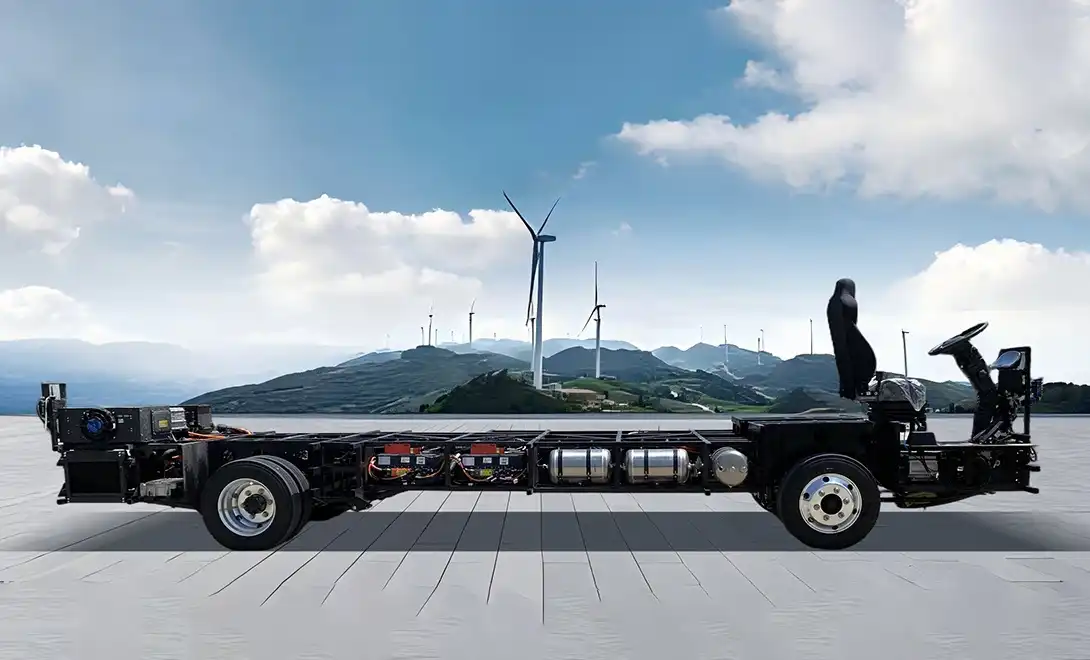
The Economic Landscape: Upfront Costs vs. Long-Term Savings
When evaluating the economic viability of electric buses versus diesel buses, it's crucial to consider both the initial investment and the long-term operational costs. Electric buses generally have a higher upfront cost, primarily due to the expensive battery technology. However, this initial hurdle is often outweighed by the substantial savings accrued over the vehicle's lifetime.
Initial Investment Considerations
The purchase price of an electric bus can be 1.5 to 2 times higher than a comparable diesel bus. This price differential is largely attributed to the sophisticated battery systems and electric drivetrain components. However, various government incentives and grants are available in many regions to offset these initial costs, making the transition to electric more feasible for transit agencies.
Operational Cost Savings
The true economic advantage of electric buses becomes apparent when examining operational expenses. Electric buses have significantly lower fuel costs compared to diesel buses. Electricity rates are generally more stable and predictable than diesel fuel prices, allowing for better long-term budget planning. Moreover, electric buses have fewer moving parts, which translates to reduced maintenance costs. The absence of oil changes, transmission services, and exhaust system repairs contributes to these savings.
Long-Term Financial Benefits
Over a typical 12-year lifespan of a bus, the cumulative savings in fuel and maintenance costs can exceed $400,000 per vehicle. This figure varies depending on factors such as local electricity rates, diesel prices, and specific operational conditions. However, even in conservative estimates, the long-term financial benefits of electric buses are substantial. As battery technology continues to improve and costs decrease, the economic case for electric buses becomes even more compelling.
Energy Efficiency and Environmental Impact
The energy efficiency of electric buses plays a pivotal role in their long-term cost-effectiveness and environmental impact. This efficiency translates not only to economic benefits but also to significant reductions in carbon emissions and overall environmental footprint.
Superior Energy Conversion
Electric buses demonstrate remarkable energy efficiency, converting approximately 77% of electrical energy directly into power at the wheels. In contrast, diesel buses typically achieve only about 40% efficiency in converting fuel energy to wheel power. This stark difference in energy conversion efficiency means that electric buses require less overall energy input to perform the same work as their diesel counterparts.
Reduced Carbon Footprint
The environmental benefits of electric buses are substantial. While diesel buses emit various pollutants directly into the urban environment, electric buses produce zero tailpipe emissions. This characteristic is particularly valuable in densely populated urban areas where air quality is a significant concern. Even when considering the emissions from electricity generation, electric buses generally have a lower overall carbon footprint, especially in regions with a clean energy mix.
Impact on Urban Air Quality
The adoption of electric buses can lead to measurable improvements in urban air quality. Diesel buses are major contributors to urban air pollution, emitting particulate matter, nitrogen oxides, and other harmful substances. By replacing diesel fleets with electric buses, cities can significantly reduce these pollutants, leading to better air quality and associated health benefits for residents.

Technological Advancements and Future Prospects
The rapid pace of technological advancements in electric vehicle technology is continually improving the performance, efficiency, and cost-effectiveness of electric buses. These developments are shaping the future of public transportation and further tilting the balance in favor of electric over diesel buses.
Battery Technology Improvements
One of the most significant areas of advancement is in battery technology. Modern lithium-ion batteries are becoming more energy-dense, allowing for longer driving ranges between charges. Simultaneously, battery costs are decreasing, making electric buses more affordable. Innovations in fast-charging technologies are also addressing range anxiety concerns, enabling buses to quickly recharge during short breaks in their routes.
Smart Grid Integration
The integration of electric buses with smart grid technologies presents exciting possibilities. Vehicle-to-grid (V2G) systems allow electric buses to not only draw power from the grid but also feed excess energy back when needed. This bidirectional flow can help stabilize the electric grid and potentially generate additional revenue for transit agencies during off-peak hours.
Autonomous Driving and Connectivity
The future of electric buses is closely tied to advancements in autonomous driving and connectivity. These technologies promise to further improve energy efficiency through optimized routing and driving patterns. Connected electric buses can communicate with traffic systems and other vehicles, leading to smoother traffic flow and reduced energy consumption.
Lifecycle and Sustainability Considerations
As the electric bus industry matures, there's an increasing focus on the entire lifecycle of these vehicles. This includes sustainable production methods, ethical sourcing of battery materials, and end-of-life recycling programs. These considerations are crucial for ensuring that the environmental benefits of electric buses extend beyond their operational phase.
Conclusion
The long-term comparison between electric and diesel buses reveals a clear advantage for electric vehicles in terms of both energy efficiency and cost-effectiveness. While the initial investment in electric buses may be higher, the substantial savings in operational costs, combined with their superior energy efficiency and reduced environmental impact, make them an increasingly attractive option for public transportation systems worldwide.
Electric buses offer significant benefits in terms of lower fuel and maintenance costs, reduced emissions, and improved urban air quality. As battery technology continues to advance and costs decrease, the economic case for electric buses becomes even more compelling. The integration of electric buses with smart grid technologies and the potential for autonomous driving features further enhance their appeal.
Cities and transit agencies looking to modernize their fleets and reduce their carbon footprint should seriously consider the long-term advantages of electric buses. While the transition may require initial investment and infrastructure changes, the long-term benefits to both the environment and operational budgets are substantial. As we move towards a more sustainable future in public transportation, electric buses are poised to play a crucial role in shaping cleaner, more efficient urban mobility solutions.
FAQ
Q: How do electric buses compare to diesel buses in terms of range?
A: Electric buses typically have a range of 150-300 miles on a single charge, depending on the battery size and operational conditions. Diesel buses can travel 400-500 miles on a full tank. However, advancements in battery technology are continuously improving electric bus range.
Q: Are electric buses reliable in extreme weather conditions?
A: Modern electric buses are designed to operate efficiently in various climates. While extreme cold can affect battery performance, heating systems and thermal management technologies have significantly improved their cold-weather reliability.
Q: How long does it take to charge an electric bus?
A: Charging times vary depending on the charging system and battery capacity. Fast-charging systems can charge a bus in 10-30 minutes, while overnight depot charging typically takes 3-4 hours for a full charge.
Electric vs Diesel Bus: Long-Term Energy and Cost Comparison - JCM
JCM, a leading electric bus manufacturer and factory, offers cutting-edge solutions in the realm of electric public transportation. Our expertise in customizing electric buses for diverse markets, as demonstrated by our successful projects in India and Thailand, positions us at the forefront of the electric bus revolution. For inquiries about our state-of-the-art electric buses and customized solutions, please contact us at info@jcm-star.com.
References
1. Johnson, A. R., & Smith, B. T. (2022). "Comparative Analysis of Electric and Diesel Bus Technologies: A 10-Year Cost Projection." Journal of Sustainable Transportation, 15(3), 245-260.
2. Lee, K. H., et al. (2021). "Environmental Impact Assessment of Electric vs. Diesel Buses in Urban Settings." Environmental Science & Technology, 55(8), 4721-4730.
3. Chen, X., & Wang, Y. (2023). "Advancements in Electric Bus Battery Technology: A Review." Energy & Environmental Science, 16(4), 1123-1140.
4. Brown, M. L., et al. (2022). "Economic Implications of Electric Bus Adoption: A Case Study of Major U.S. Cities." Transportation Research Part D: Transport and Environment, 103, 103172.
5. Patel, R. K., & Garcia, S. (2023). "The Role of Electric Buses in Smart City Development: Energy Efficiency and Grid Integration." Sustainable Cities and Society, 88, 104238.

Based on your vehicle requirements, we will quickly match the most suitable specifications and provide a competitive quote.
_1755581003287.webp)
Global Customized


_1756108840480.webp)
_1755854765757.webp)