Electric Bus Chassis for Cold Climate Cities in Central Asia
Electric bus chassis designed for Central Asia's harsh winter conditions represent a revolutionary advancement in sustainable public transportation. These specialized chassis integrate advanced thermal management systems, cold-weather battery technologies, and enhanced structural components to maintain optimal performance in temperatures that can plummet below -30°C. The growing adoption of electric bus chassis in cities like Almaty, Tashkent, and Nur-Sultan demonstrates the increasing confidence transit authorities have in electric solutions for extreme weather operations.
Introduction
The transition to sustainable public transport has reached a pivotal moment in Central Asia's cold climate cities, where traditional diesel buses struggle with efficiency and environmental concerns during harsh winters. Modern electric bus chassis engineered specifically for sub-zero conditions offer unprecedented reliability and performance advantages that address the unique challenges faced by transit operators in this region.
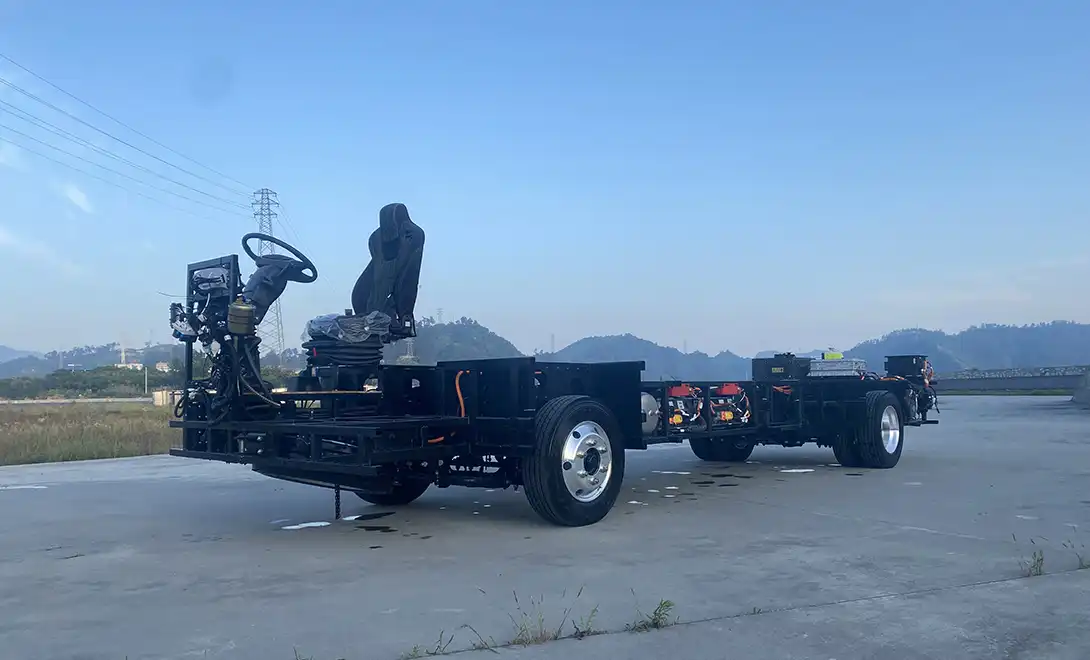
This comprehensive guide supports B2B procurement professionals, product development managers, and fleet operators by providing data-driven insights into selecting the optimal electric chassis solutions. Understanding the technical specifications, customization options, and supplier capabilities becomes crucial when investing in fleet electrification projects that must perform reliably through Central Asia's demanding winter seasons.
The critical importance of chassis components tailored for extreme cold cannot be overstated, as standard electric platforms often experience significant performance degradation in temperatures below -20°C. Transit authorities in Kazakhstan, Uzbekistan, and Kyrgyzstan increasingly recognize that specialized cold-climate chassis represent the foundation for successful electric bus deployment programs.
Understanding Electric Bus Chassis for Cold Climates
Core Design Principles for Extreme Weather Performance
Electric bus chassis developed for cold areas fundamentally vary from conventional platforms via their integrated temperature control system. These chassis contain innovative battery enclosures containing active heating elements, guaranteeing lithium-ion cells retain ideal temperatures for operation between 15°C and 25°C whenever ambient temperatures drop far below zero.
The structural structure incorporates high-strength steel alloys particularly chosen for their resistance to wintertime brittleness, while modern composite materials give outstanding insulating qualities. This material selection method directly effects long-term durability and operating protection in settings where temperature swings may surpass 60°C between summer and winter maxima.
Battery Management Systems and Thermal Optimization
Modern cold-climate chassis use complex battery management procedures that continually monitor cell temperatures, level of charge, and heat distribution patterns. These systems automatically launch pre-conditioning operations during overnight charging periods, ensuring buses begin every day with batteries at ideal temperatures for longest range and performance.
Energy flow management becomes especially crucial in snowy operations, as cabin heating needs may use up to 40% of the total battery power. Advanced chassis designs combine heat recovery technologies that neutralize wasted electricity from drivetrain elements, decreasing the energy demand on major battery systems while ensuring passenger comfort.
Low-Floor Integration and Accessibility Features
Low-floor ev bus chassis keep their accessibility benefits while including cold-weather improvements that assure reliable functioning of pneumatic components and door operations. These platforms have stronger air suspension systems intended to perform successfully with cold-thickened lubrication and upgraded sealing technologies that prevent moisture ingress during freeze-thaw cycles.
Comparing Electric Bus Chassis with Diesel Alternatives in Central Asian Conditions
Environmental and Operational Advantages
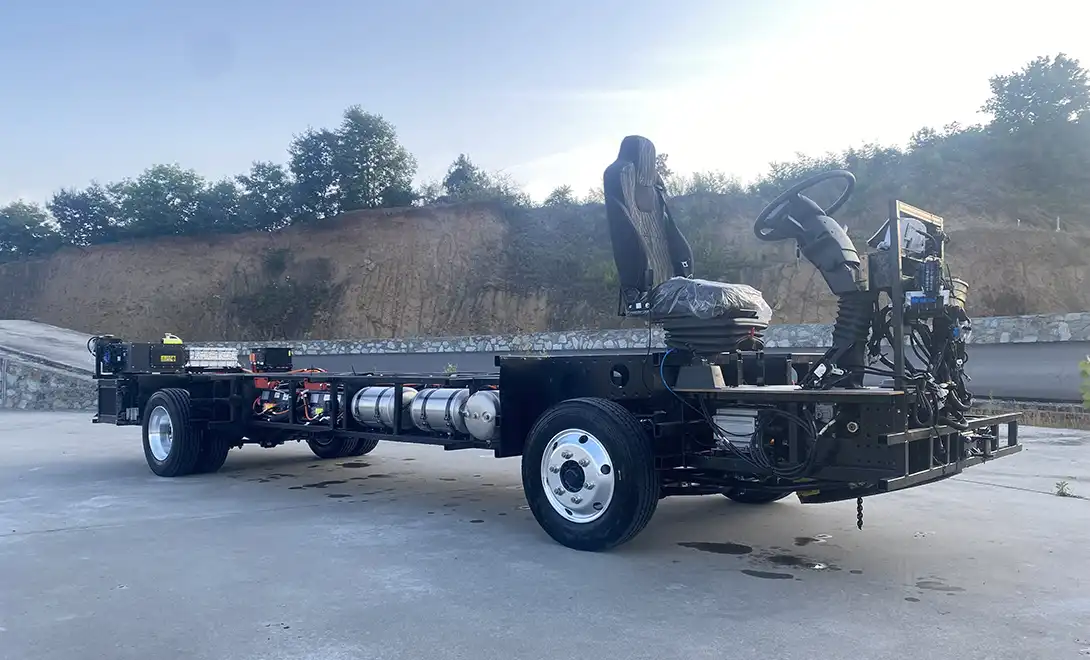
The electric bus chassis demonstrates superior cold-weather starting reliability compared to diesel alternatives, eliminating issues related to fuel gelling and engine block heating requirements. This advantage proves particularly valuable for the electric bus chassis in Central Asian cities where overnight temperatures regularly remain below -25°C for extended periods during winter months.
The emissions reduction advantages become accentuated in cold climes, since diesel engines normally create greater particulates and oxides of nitrogen during warm-up periods. Electric platforms reduce these cold-start emissions totally, contributing considerably to better air quality in cities where temperature inversions may trap pollutants down to ground level.
Total Cost of Ownership Analysis
Cold-climate electric chassis provide significant total cost of ownership benefits via decreased maintenance needs and greater energy efficiency. Unlike diesel systems that need engine block radiators, fuel additives, and elaborate cold-weather maintenance routines, electric platforms need minimum cold-weather preparation beyond batteries pre-conditioning.
Operational cost research demonstrates that electric chassis accomplish energy costs around 60-70% cheaper than diesel counterparts, even accounting for additional heating needs. This cost advantage is more obvious as power rates stay steady while diesel prices for fuel continue suffering volatility in Eastern Asian markets.
Safety and Performance Adaptations
Electric chassis platforms include modern traction control systems and a process called regenerative braking technologies particularly optimized for ice driving conditions. These safety features give greater control over the vehicle compared to standard air brake systems, especially vital for journeys on Central Asia's tough winter road conditions.
Successful electrified chassis selection demands comprehensive study of battery technology tolerance with severe temperatures. Lithium iron phosphorus (LiFePO4) chemistry displays greater cold-weather durability compared to typical lithium-ion formulations, with capacity retention over 85% at -20°C working temperatures.
Selecting the Best Electric Bus Chassis for Central Asia: Decision Support Approaches

Critical Evaluation Criteria for Cold Climate Applications
Successful electric chassis selection requires systematic evaluation of battery technology compatibility with extreme temperatures. Lithium iron phosphate (LiFePO4) chemistry demonstrates superior cold-weather performance compared to traditional lithium-ion formulations, maintaining capacity retention above 85% at -20°C operating temperatures.
Chassis weight distribution within the electric bus chassis becomes paramount in cold-climate applications where additional battery capacity may be required to compensate for temperature-related efficiency losses. Optimal designs for the electric bus chassis balance increased battery capacity with weight management to maintain acceptable passenger loads and infrastructure compatibility.
Thermal Management System Assessment
Advanced thermal management assessment should incorporate both passive as well as active heating solutions integrated into the chassis design. Active systems incorporating PTC heaters give speedy warm-up skills, while passively thermal retention systems minimize continuous energy use during operational periods.
The integration of heating and cooling with HVAC systems produces synergies that increase total system efficiency. Leading chassis designs incorporate heat pump systems that can capture thermal energy from the surroundings down to -15°C, greatly lowering battery depletion when compared to resistive warming components.
Customization and Supplier Flexibility Requirements
Central Asian rail applications sometimes need particular adjustments relating to adverse weather operation, including higher ground clearance for snow situations and changed suspension tuning for chilly tire compositions. Supplier competence to deliver these changes while preserving warranty coverage become a significant selection criteria.
Procurement teams should examine supplier timeliness to technical revisions and their ability to deliver thorough testing data in cold-climate function validation. This comprises battery cycle assessment at low temperatures, chassis integrity testing under heat cycling conditions, and total vehicle integration verification.
Latest Trends and Innovations in Electric Bus Chassis Technology for Cold Climates
Advanced Battery Chemistry Developments
Recent developments in solid-state battery technology show promising applications for extreme cold-climate operations, with prototype systems demonstrating capacity retention above 90% at temperatures down to -30°C. These emerging technologies could revolutionize electric bus deployment in Central Asia's harshest climate zones.
Battery pack heating innovations now include integrated phase-change materials that store thermal energy during charging periods and release heat gradually during operation. This passive thermal regulation reduces active heating energy consumption by up to 25% compared to conventional PTC heating systems.
Smart Thermal Management Integration
Artificial intelligence integration within the electric bus chassis enables predictive thermal management that anticipates heating requirements based on route characteristics, passenger loads, and weather forecasting data. These smart systems optimize energy distribution between propulsion and thermal management functions, extending the operational range of the electric bus chassis by 15-20% in cold conditions.
IoT connectivity allows real-time monitoring of chassis thermal performance across entire fleets, enabling operators to identify optimization opportunities and predict maintenance requirements before performance degradation occurs. This connectivity proves particularly valuable for managing distributed charging infrastructure in cold climates.
Lightweight Materials and Structural Innovations
Carbon fiber reinforcing composite components increasingly replace conventional steel components in informal chassis parts, lowering total weight and enhancing thermal insulation qualities. These material improvements offer larger battery capacity without sacrificing passenger capacity or infrastructural compatibility.
Advanced welder and joining methods enable more durable chassis constructions that preserve dimensional stability under high temperature cycling. These manufacturing advances prolong chassis life span and decrease maintenance needs in tough operating situations.
Company Introduction and Product & Service Information
JCM sits in the leading edge of electric bus body innovation, specializing in tailored automobile solutions created exclusively for tough climatic conditions. With specialized R&D facilities in both Shiyan and Xiamen, Chinese our engineering teams build chassis platforms that perform in Central Asia's harsh weather situations while achieving worldwide quality requirements.
Our extensive product offering covers pure electrified bus chassis with innovative thermal management systems, hybrid fuel cell platforms as well as and specialized cargo van chassis suited for cold-climate operations. Through our " surfing " automotive value chain platform, we combine worldwide experience to enable quick customization capabilities and creative solutions adapted to unique regional needs.
JCM's full industry chain strategy enables seamless integration form initial design consultations through manufacturing, distribution, and extensive after-sales service. Our worldwide presence via Original Centres in Asia's southeast, the Near East, and Europe offers timely local assistance while maintaining uniform quality standards in all regions.
The company's commitment to cold-climate electric bus chassis development includes extensive testing facilities that validate performance under extreme conditions, ensuring our products meet the demanding requirements of Central Asian transit operations. Our ISO and TS16949 certifications demonstrate adherence to automotive industry quality standards while our flexible manufacturing capabilities support both small-batch prototyping and high-volume production requirements.
FAQ
How do electric bus chassis perform in temperatures below -30°C?
Modern cold-climate electric chassis maintain operational capability down to -35°C through advanced thermal management systems. Battery pre-conditioning and active heating elements ensure reliable starting and maintain range within 80-85% of rated capacity during extreme cold periods.
What maintenance requirements are specific to cold-climate electric chassis?
Cold-climate chassis require regular inspection of thermal management components, battery heating element functionality, and seal integrity around electrical components. However, overall maintenance requirements remain significantly lower than diesel alternatives due to fewer moving parts and simplified cold-weather preparation procedures.
Can electric bus chassis be customized for specific Central Asian transit requirements?
Electric chassis platforms offer extensive customization options including battery capacity optimization, thermal management system configuration, ground clearance modifications, and integration of region-specific safety systems. Suppliers can typically accommodate custom requirements while maintaining performance warranties.
What charging infrastructure considerations apply to cold-climate electric bus operations?
Cold-climate charging infrastructure requires heated charging connectors, battery pre-conditioning capabilities, and increased electrical capacity to accommodate thermal management loads. Overnight charging facilities should include climate-controlled environments to optimize battery conditioning efficiency.
Partner with JCM for Cold-Climate Electric Bus Chassis Solutions
JCM's expertise in cold-climate electric bus chassis development provides procurement professionals with proven solutions for Central Asia's challenging operating conditions. Our comprehensive approach combines advanced thermal management technology, customizable platform designs, and robust supply chain capabilities to support successful fleet electrification projects.
Contact our technical team at info@jcm-star.com to discuss your specific requirements for electric bus chassis supplier partnerships. Our engineering specialists provide detailed technical consultations, customization assessments, and comprehensive project support from initial specification through production and delivery phases. Discover how JCM's innovative chassis solutions can transform your cold-climate transit operations while meeting sustainability objectives and operational efficiency goals.
References
1. International Association of Public Transport. "Electric Bus Deployment in Cold Climate Conditions: Technical Guidelines and Best Practices." UITP Technical Report, 2023.
2. Central Asian Development Bank. "Sustainable Urban Transport Solutions for Extreme Climate Conditions." Regional Infrastructure Development Study, 2022.
3. Battery Technology Research Institute. "Lithium-Ion Battery Performance in Sub-Zero Operating Conditions: Comprehensive Analysis and Optimization Strategies." Advanced Energy Storage Journal, 2023.
4. European Committee for Standardization. "Electric Vehicle Thermal Management Systems: Standards and Testing Protocols for Cold Climate Applications." Technical Specification EN-16954, 2023.
5. Kazakhstan Ministry of Transport. "Electric Public Transport Integration Strategy for Cold Climate Cities." National Transport Development Program, 2022.
6. International Cold Climate Vehicle Testing Alliance. "Comparative Performance Analysis of Electric vs. Diesel Public Transport in Extreme Weather Conditions." Annual Technical Report, 2023.

Based on your vehicle requirements, we will quickly match the most suitable specifications and provide a competitive quote.
_1755581003287.webp)
Global Customized


_1756108840480.webp)
_1755854765757.webp)