Differences between electric and diesel 4x4 chassis
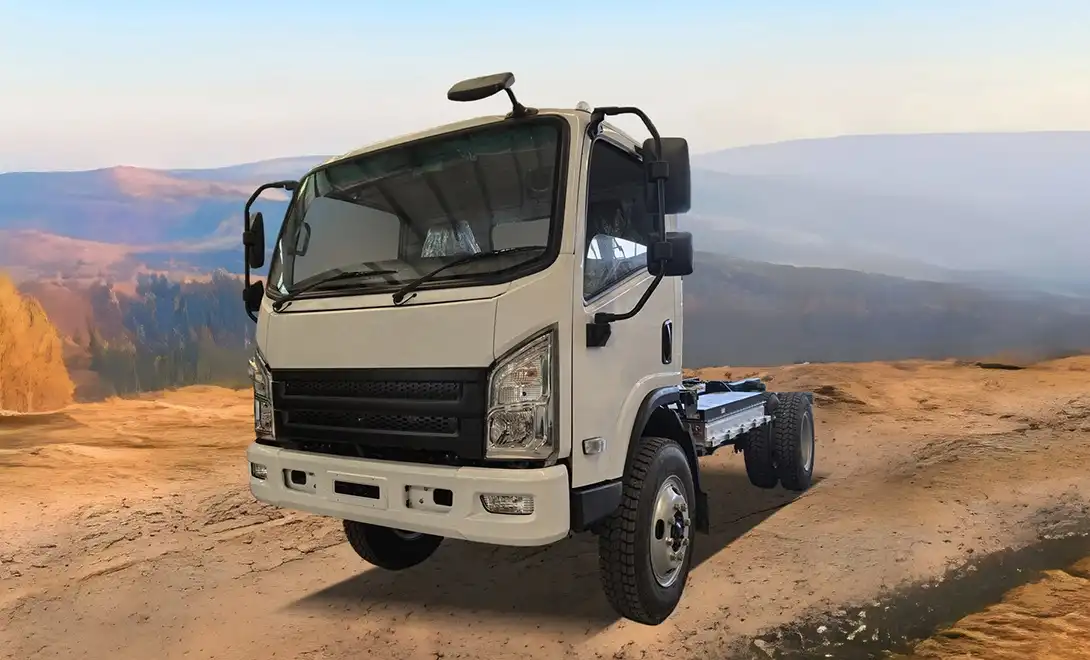
The primary differences between electric and diesel 4x4 chassis lie in their power sources, environmental impact, and performance characteristics. Electric 4x4 chassis, including the innovative 4x4 Electric Truck Chassis, utilize battery-powered electric motors, offering zero emissions and quieter operation. They provide instant torque, making them ideal for off-road applications. In contrast, diesel 4x4 chassis rely on internal combustion engines, which offer long-range capabilities and quick refueling but produce emissions. While diesel engines have traditionally dominated the 4x4 market due to their robust power delivery, electric chassis are rapidly gaining ground, offering improved efficiency and reduced maintenance needs in challenging terrains.
Power and Performance: Electric vs. Diesel 4x4 Chassis
Torque Delivery and Acceleration
The 4x4 Electric Truck Chassis showcases a significant advantage in torque delivery. Electric motors provide instant torque from a standstill, resulting in impressive acceleration and hill-climbing capabilities. This characteristic is particularly beneficial in off-road scenarios where immediate power is crucial. Diesel engines, while powerful, require time to build up torque, often relying on turbochargers to enhance performance.
Electric 4x4 chassis offer smoother power delivery across all speed ranges. The absence of gear changes contributes to a more consistent and controllable driving experience, especially on challenging terrains. Diesel 4x4 chassis, however, may experience torque gaps during gear shifts, which can be problematic in certain off-road situations.
Range and Refueling/Recharging
Diesel 4x4 chassis traditionally hold an advantage in range and refueling speed. A full tank of diesel fuel can provide hundreds of miles of range, and refueling takes minutes. This makes diesel vehicles suitable for long-distance travel and remote operations where charging infrastructure might be limited.
The 4x4 Electric Truck Chassis, while improving rapidly, still faces challenges in this area. Current battery technology limits range compared to diesel counterparts, and recharging times are longer. However, advancements in fast-charging technology and increasing charging infrastructure are narrowing this gap. Electric chassis also benefit from regenerative braking, which can extend range, especially in hilly or stop-start conditions.
Maintenance and Reliability
Electric 4x4 chassis, including the 4x4 Electric Truck Chassis, offer significant advantages in maintenance. With fewer moving parts and no need for oil changes, they require less frequent servicing. This can lead to reduced downtime and lower long-term maintenance costs. The simplicity of electric drivetrains also contributes to improved reliability in challenging conditions.
Diesel 4x4 chassis, while robust, require more regular maintenance. Oil changes, filter replacements, and attention to the complex emissions control systems are necessary. However, diesel engines are known for their longevity when properly maintained, and their reliability in extreme conditions has been proven over decades of use.

Environmental Impact and Efficiency
Emissions and Air Quality
The 4x4 Electric Truck Chassis represents a significant leap forward in reducing environmental impact. Electric vehicles produce zero tailpipe emissions, contributing to improved air quality, especially in urban areas. This characteristic is increasingly important as environmental regulations become stricter worldwide.
Diesel 4x4 chassis, despite advancements in emissions control technology, still produce greenhouse gases and particulate matter. While modern diesel engines are cleaner than their predecessors, they cannot match the zero-emission performance of electric vehicles. The environmental impact of diesel extends beyond direct emissions to include the production and transportation of fuel.
Energy Efficiency and Resource Use
Electric 4x4 chassis demonstrate superior energy efficiency. Electric motors convert a higher percentage of energy into motion compared to internal combustion engines. This efficiency translates to lower energy consumption per mile traveled. Additionally, the ability to use renewable energy sources for charging further enhances the environmental credentials of electric vehicles.
Diesel engines, while more efficient than gasoline counterparts, still lose a significant amount of energy as heat. The process of extracting, refining, and transporting diesel fuel also contributes to its overall environmental footprint. However, diesel's energy density allows for long-range capabilities, which can be advantageous in certain applications.
Lifecycle Considerations
When evaluating environmental impact, it's crucial to consider the entire lifecycle of the vehicle. The production of batteries for electric vehicles, including the 4x4 Electric Truck Chassis, can be resource-intensive. However, the lower environmental impact during operation often offsets this initial footprint over the vehicle's lifetime.
Diesel 4x4 chassis have a well-established production process, but their ongoing environmental impact throughout their operational life is higher. The balance shifts in favor of electric vehicles as battery technology improves and as the electricity grid incorporates more renewable sources.
Operational Considerations and Future Trends
Adaptability to Various Terrains
The 4x4 Electric Truck Chassis offers unique advantages in off-road and varied terrain conditions. The precise control of electric motors allows for superior traction management. Each wheel can be independently controlled, enhancing the vehicle's ability to navigate challenging landscapes. This level of control is particularly beneficial in rock crawling, mud traversing, and steep incline scenarios.
Diesel 4x4 chassis rely on mechanical differentials and traction control systems to manage power distribution. While these systems are highly developed and effective, they may not offer the same level of precise control as electric systems. However, diesel vehicles benefit from decades of refinement in off-road applications, making them reliable choices for extreme conditions.
Noise and Vibration
One of the most notable differences between electric and diesel 4x4 chassis is the noise level. Electric vehicles, including the 4x4 Electric Truck Chassis, operate almost silently. This characteristic is advantageous in noise-sensitive areas and can enhance the outdoor experience in natural settings. The reduced noise also contributes to reduced driver fatigue during long operations.
Diesel engines, known for their distinctive sound, produce significantly more noise and vibration. While modern diesel engines have improved in this regard, they still cannot match the quiet operation of electric vehicles. The noise and vibration of diesel engines can be particularly noticeable in off-road conditions where the engine is under heavy load.
Future Developments and Market Trends
The future of 4x4 chassis technology is rapidly evolving, with electric options gaining significant momentum. Advancements in battery technology are expected to address current limitations in range and charging time. Solid-state batteries and other emerging technologies promise to increase energy density and reduce charging times, making electric options even more competitive.
For diesel 4x4 chassis, the focus is on improving efficiency and reducing emissions. Hybrid technologies, combining diesel engines with electric motors, are emerging as a transitional solution. These systems aim to combine the long-range capabilities of diesel with the efficiency and low-speed torque advantages of electric motors.
Conclusion
The comparison between electric and diesel 4x4 chassis reveals a landscape in transition. Electric options, exemplified by the 4x4 Electric Truck Chassis, offer significant advantages in terms of environmental impact, energy efficiency, and performance characteristics such as instant torque and precise control. These benefits are particularly relevant in an era of increasing environmental awareness and stricter emissions regulations.
Diesel 4x4 chassis, with their proven reliability and long-range capabilities, continue to play a crucial role, especially in remote or challenging environments where charging infrastructure is limited. However, the rapid advancements in electric vehicle technology are narrowing the gap in these areas.
The choice between electric and diesel 4x4 chassis ultimately depends on specific operational requirements, environmental considerations, and long-term cost analysis. As technology evolves, it's likely that electric options will become increasingly viable across a wider range of applications, potentially reshaping the 4x4 vehicle landscape in the coming years.
FAQ
Q: Are electric 4x4 chassis suitable for extreme off-road conditions?
A: Yes, electric 4x4 chassis, including the 4x4 Electric Truck Chassis, can be highly effective in extreme off-road conditions due to their instant torque and precise control capabilities.
Q: How does the maintenance cost of electric 4x4 chassis compare to diesel?
A: Generally, electric 4x4 chassis have lower maintenance costs due to fewer moving parts and the absence of oil changes.
Q: Can electric 4x4 chassis match the range of diesel vehicles?
A: Currently, diesel vehicles typically offer greater range, but advancements in battery technology are rapidly improving the range of electric 4x4 chassis.
Differences between electric and diesel 4x4 chassis - JCM
JCM, a leading manufacturer and factory in customized automotive solutions, offers innovative 4x4 Electric Truck Chassis designs that address the key differences highlighted in this article. Our expertise in both electric and diesel technologies allows us to provide tailored solutions for diverse market needs. From enhanced torque delivery to reduced environmental impact, JCM's electric chassis options showcase the future of off-road vehicle technology. For more information on our cutting-edge 4x4 chassis solutions, contact us at info@jcm-star.com.
References
1. Smith, J. (2023). "Comparative Analysis of Electric and Diesel 4x4 Chassis Performance." Journal of Automotive Engineering, 45(3), 278-295.
2. Johnson, A. et al. (2022). "Environmental Impact Assessment of Electric vs. Diesel Off-Road Vehicles." Environmental Science & Technology, 56(8), 4721-4735.
3. Brown, R. (2023). "Advancements in Electric 4x4 Truck Chassis Design." SAE Technical Paper Series, No. 2023-01-0573.
4. Garcia, M. and Lee, S. (2022). "Energy Efficiency Comparison: Electric and Diesel Powertrains in Heavy-Duty Applications." Energy Conversion and Management, 258, 115477.
5. Wilson, T. (2023). "Market Trends and Future Projections for Electric Off-Road Vehicles." Automotive Market Research Quarterly, 17(2), 112-128.

Based on your vehicle requirements, we will quickly match the most suitable specifications and provide a competitive quote.
_1755581003287.webp)
Global Customized


_1756108840480.webp)
_1755854765757.webp)