Customized Electric Buses for Hot Climate Urban Transport
Customized electric buses made for hot temperature urban transit are a groundbreaking way to make public transportation more environmentally friendly in tough places. These electric bus systems are intended to keep working well even in extremely hot weather. They have climate-adaptive battery solutions, better cooling systems, and the latest thermal management technologies. Unlike regular electric buses, these specifically developed vehicles provide reliable, efficient, and comfortable transportation services for urban transit systems all over the world while also solving the problems that come with operating at high temperatures.
Understanding the Challenges of Electric Buses in Hot Climates
Operating electric buses in hot urban environments presents distinct technical and operational challenges that significantly impact vehicle performance, passenger comfort, and overall system reliability. These challenges require comprehensive understanding and strategic solutions to ensure successful deployment.

Battery Performance Degradation in High Temperatures
Elevated ambient temperatures quicken chemical processes in lithium-ion battery cells, which shortens their operating life and accelerates capacity depletion. Thermal stress from continuously running battery systems over 35°C (95°F) may lower energy density by as much as 20% when compared to mild temperature conditions. Thermal management solutions are crucial for applications in hot climates as this deterioration impacts both the fleet's long-term economics and daily operating range.
When heat island effects occur in metropolitan locations during the hottest summer months, the connection between temperature and battery performance becomes even more crucial. Temperatures over 45°C (113°F) are often recorded in cities like Phoenix, Dubai, and Riyadh, resulting in harsh operating circumstances that are difficult for conventional battery thermal management systems to control.
HVAC System Demands and Energy Consumption
Vehicle range and operating efficiency are significantly impacted by the significant energy consumption of air conditioning systems in hot conditions. In contrast to 15–20% in temperate climes, HVAC loads may contribute for 30–40% of total energy consumption during peak summer operations. Route design, fleet usage tactics, and charging schedules are all impacted by this increasing energy requirement.
More potent cooling systems are required to meet passenger comfort standards in hot climes, which keep interior temperatures between 20 and 24°C (68 and 75°F) when outside temperatures skyrocket. Sophisticated energy management systems that strike a balance between passenger comfort and operational economy are necessary to meet these high cooling needs.
Component Durability and Maintenance Considerations
Sustained high temperatures enhance the wear rates of charging systems, power electronics, and electronic components. Heat-related component failures impact fleet dependability and operating schedules by raising maintenance costs and vehicle downtime. Components rated for prolonged high-temperature operation and improved preventive maintenance procedures are necessary for hot climate deployments to be successful.
Core Technologies Powering Customized Electric Buses for Hot Climates
Despite difficult heat circumstances, electric buses can continue to operate at their best because to sophisticated technological integration. These technical advancements preserve operational and financial efficiency while meeting the demands of particular hot climates.
Advanced Battery Technology and Thermal Management
Compared to conventional lithium-ion formulations, lithium iron phosphate (LiFePO4) chemistry provides better thermal stability, preserving performance at high temperatures while lowering the danger of thermal runaway. Regardless of the surrounding circumstances, these battery systems' active liquid cooling circuits maintain ideal cell temperatures.
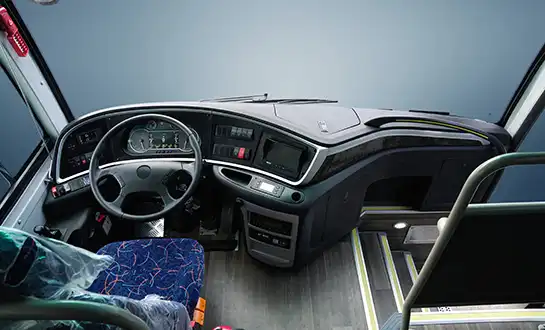
Cell temperatures, charge levels, and heat distribution across battery packs are continually monitored by sophisticated battery management systems. In order to maintain battery health and increase operating longevity in very hot circumstances, these systems automatically modify charging rates, power output, and cooling activation.
Efficient Cooling Solutions and Climate Control
Multiple cooling circuits are used by integrated thermal management systems to individually control power electronics cooling, passenger cabin temperature, and battery temperatures. Smart thermal management algorithms and variable-speed cooling fans maximize energy use while keeping component temperatures within reasonable bounds.
Heat pumps and thermal storage technologies are used by advanced HVAC systems to lower peak energy use during times of high heat. Without sacrificing operating range, these technologies keep passenger spaces pleasant and pre-cool cars while they are charging.
Environmental Benefits and Sustainability
By removing local emissions that contribute to urban heat island effects, hot climate electric buses assist communities in coping with the problems posed by very high temperatures. Zero tailpipe emissions enhance air quality and lessen the production of smog, which is especially crucial in hot, crowded cities.
Optimized thermal management increases energy efficiency, lowers total grid demand, and facilitates the integration of renewable energy sources. When wind generating is added to renewable energy sources like solar electricity, smart charging systems may plan battery charging for cooler evening hours.
Comparing Electric Bus Solutions for Hot Climate Urban Transport
When correctly constructed for difficult circumstances, a thorough investigation of electric bus performance in comparison to conventional diesel and hybrid options demonstrates substantial benefits for hot climate applications.

Operational Cost Analysis and Reliability Metrics
In hotter regions, electric buses exhibit 60–70% lower operating costs than diesel alternatives, mostly as a result of decreased fuel costs and maintenance needs. Diesel engines are more susceptible to heat-related maintenance problems than electric drivetrains, necessitating regular cooling system repairs and component replacements.
According to reliability criteria, well-designed electric buses have availability rates of 95%+ even in very hot weather, whereas diesel buses that break down due to heat have availability rates of 85-90%. Increased service quality and fewer operational interruptions are direct results of these dependability gains.
Leading Manufacturer Approaches to Heat-Adaptive Design
Large firms have created unique strategies for optimizing hot climates. Proterra concentrates on lightweight design and cutting-edge cooling technologies, while BYD combines blade battery technology with improved thermal management. Volvo places a strong emphasis on modular thermal management that can adjust to different temperature conditions.
Independent cooling circuits and intelligent energy management are characteristics of New Flyer's Xcelsior CHARGE platform, and local manufacturers are increasingly providing solutions that are specifically suited to the environment in their areas. These various methods provide procurement teams a variety of choices that are in line with their unique operating needs.
Charging Infrastructure Compatibility
Charging infrastructure for hot climate operations must be built to withstand higher ambient temperatures and higher cooling requirements. To avoid battery damage during fast charging cycles in very hot conditions, fast charging systems must have improved thermal management.
To maximize battery health and charging efficiency, smart charging algorithms modify charging rates in response to operating schedules, ambient temperature, and battery status. When it's colder outside, these systems allow overnight charging, but they may also charge quickly when needed.
Procurement Guide for Customized Electric Buses Suited to Hot Environments
Strategic procurement methods maximize value and operational performance while ensuring the effective deployment of electric buses in difficult hot temperature circumstances.
Defining Climate-Driven Procurement Requirements
Certain hot environment operational factors, such as maximum ambient operating temperatures, humidity ranges, and thermal cycling needs, must be included in procurement specifications. Technical requirements should require HVAC performance criteria, component temperature ratings suitable for the local environment, and battery thermal management capabilities.
Range maintenance under predetermined temperature settings, battery warranty periods that take hot environment operations into consideration, and availability pledges that take into account practical maintenance needs are all examples of performance guarantees. These requirements make sure suppliers are aware of and dedicated to fulfilling performance standards for hot climates.
Financial Incentives and Cost Optimization
Government incentives are beginning to acknowledge the extra expenses related to the deployment of electric buses in hot climates. While utility partnerships may provide lower charging rates for smart charging systems, federal and state programs give increased incentives for buses that fulfill certain thermal performance requirements.
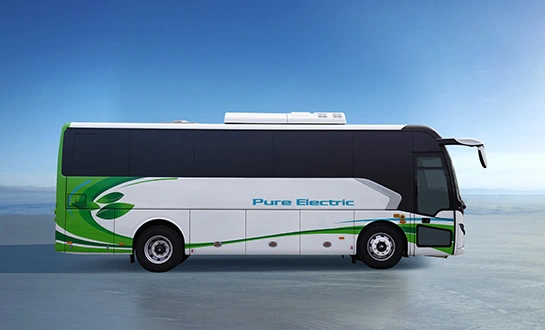
Climate-specific issues, such as increased maintenance needs, battery replacement dates, and energy consumption patterns, must be taken into consideration when calculating total cost of ownership. Despite their higher starting costs, well-designed hot climate electric buses reach cost parity with diesel counterparts in three to five years, according to lifecycle research.
Strategic Fleet Deployment Considerations
By using phased rollout tactics, operators may develop their maintenance skills and operational knowledge while gaining experience operating electric buses in hot climates. Broader fleet conversion planning is informed by operational data obtained from first installations on shorter routes with frequent charging possibilities.
Planning for maintenance must take into consideration needs unique to hot climates, such as component inspection schedules, battery monitoring procedures, and improved cooling system maintenance. Comprehensive training programs that equip local maintenance teams to service electric buses in hot climates should be a part of supplier collaborations.
Company Introduction and Customized Electric Bus Solutions
JCM is the leader in electric bus innovation for hot climates, offering complete solutions that deal with the special problems that come with running urban transportation in very hot weather. We can fully customize vehicles, install innovative thermal management systems, and provide integrated support services that are made just for hot climates.
Comprehensive Product Portfolio for Extreme Conditions
Our specialized electric bus solutions include vehicles made just for this purpose, from little electric minibuses to full-size transit coaches. Each one is designed to work at its best even when it's very hot. Advanced battery systems with better heat management make sure that the batteries work reliably even when the temperature outside is higher than 45°C (113°F).
JCM's comprehensive strategy comprises not only providing vehicles but also whole infrastructure solutions that include charging networks, repair facilities, and operational support services. Our thermal-resilient designs include numerous cooling circuits, smart battery management systems, and climate-adaptive energy management technologies that make sure the system works well in a range of temperatures.
Technical Support and After-Sales Excellence
Full technical assistance starts at the specification process and lasts for the whole life of the vehicle, making sure it works well even in very hot weather. Our engineering teams work closely with transit operators to design solutions that fit the needs of each route, including the number of passengers and the timetable for operations.
After-sales services include specialized training for maintenance in hot climates, the ability to diagnose problems from a distance and keep an eye on thermal performance, and quick response assistance that keeps downtime to a minimum during severe weather events. These services make sure that hot climate electric bus deployments keep working well and get the most out of their investment.
Manufacturing Capabilities and Quality Assurance
JCM can build whole vehicles, batteries with a yearly capacity of 100 MWh, and unique component production systems. Before delivery, our quality management systems make sure that every vehicle satisfies strict performance criteria for hot climates.
Production flexibility allows for quick changes to match the needs of hot climates, and thorough testing procedures confirm thermal performance in simulated harsh situations. This way of making things makes sure that cars are dependable, high-quality, and work well in even the worst conditions.
Conclusion
Customized electric buses represent the future of sustainable urban transport in hot climate environments, offering superior performance, lower operational costs, and enhanced passenger comfort compared to traditional alternatives. Success requires careful attention to thermal management, component selection, and operational planning tailored to extreme temperature conditions. Strategic procurement approaches that emphasize climate-specific requirements, comprehensive support services, and lifecycle cost optimization enable transit operators to achieve their sustainability goals while maintaining operational excellence. The technology exists today to deploy reliable, efficient electric bus fleets in the world's hottest cities, requiring only committed partnerships between experienced suppliers and forward-thinking transit operators.
FAQ
Q1: How do extreme temperatures affect electric bus range and performance?
A: Hot climate conditions typically reduce electric bus range by 15-25% compared to moderate temperature operations due to increased HVAC demands and battery efficiency losses. However, properly designed thermal management systems can minimize these impacts to 10-15% range reduction while maintaining consistent performance. Advanced battery cooling systems and energy management algorithms help preserve operational efficiency even during peak summer temperatures exceeding 45°C (113°F).
Q2: What are the maintenance cost differences between electric and diesel buses in hot climates?
A: Electric buses demonstrate significantly lower maintenance costs in hot climates, typically 40-50% less than diesel equivalents. Diesel engines require frequent cooling system maintenance, filter replacements, and heat-related component repairs that electric drivetrains avoid. While electric buses require specialized battery and thermal management system maintenance, overall maintenance complexity and costs remain substantially lower than diesel alternatives.
Q3: What financial assistance options are available for hot climate electric bus procurement?
A: Multiple funding sources support hot climate electric bus acquisition including federal transit administration grants, state environmental incentives, and utility partnership programs. Many regions offer enhanced rebates for buses meeting specific thermal performance criteria, recognizing the additional engineering costs associated with extreme temperature operations. Leasing programs and green financing options can further reduce upfront costs while preserving access to latest thermal management technologies.
Partner with JCM for Your Customized Electric Bus Fleet in Hot Urban Environments
JCM's specialized expertise in hot climate electric bus solutions positions us as your ideal partner for sustainable urban transport transformation. Our comprehensive approach combines advanced thermal management technology, customized vehicle design, and complete lifecycle support to ensure optimal performance under extreme temperature conditions. Contact our expert team at info@jcm-star.com to discuss your specific requirements and discover how our proven electric bus manufacturer capabilities can deliver reliable, efficient transportation solutions tailored to your hot climate operational needs. Request a detailed consultation today to explore customized fleet solutions that maximize performance while minimizing operational costs in challenging thermal environments.
References
1. International Association of Public Transport. "Electric Bus Performance in Extreme Climate Conditions: Technical Analysis and Operational Guidelines." Public Transport Research Institute, 2023.
2. American Public Transportation Association. "Thermal Management Systems for Electric Transit Buses: Best Practices and Performance Standards." Transit Technology Review, 2024.
3. Electric Drive Transportation Association. "Hot Climate Electric Bus Deployment: Lessons Learned from Global Implementations." Sustainable Transportation Quarterly, 2023.
4. National Renewable Energy Laboratory. "Battery Performance and Lifecycle Analysis for Electric Buses in High-Temperature Environments." Clean Energy Technology Report, 2024.
5. World Bank Group. "Urban Electric Mobility in Hot Climate Cities: Policy Framework and Technical Guidelines." Sustainable Urban Transport Initiative, 2023.
6. Institute of Electrical and Electronics Engineers. "Advanced Thermal Management Technologies for Electric Vehicle Applications in Extreme Environments." IEEE Transportation Electrification Conference Proceedings, 2024.

Based on your vehicle requirements, we will quickly match the most suitable specifications and provide a competitive quote.
_1755581003287.webp)
Global Customized


_1756108840480.webp)
_1755854765757.webp)