Cost-Effective Mining Truck Procurement in Africa
Buying mining trucks at a fair price in Africa is hard since operational needs and budget limits don't always match up. The mining sector in Africa is growing quickly, therefore it needs strategic sourcing solutions that find a middle ground between cost and performance. Modern mining enterprises throughout the continent need strong, heavy-duty vehicles that can handle bad weather and have the highest cargo capacity and fuel efficiency. To be ahead of the competition, organizations need to manage a number of supplier networks, figure out the total cost of ownership, and set up procurement strategies that encourage long-term operational sustainability and profitability.
Understanding the Unique Challenges and Opportunities in Mining Truck Procurement in Africa
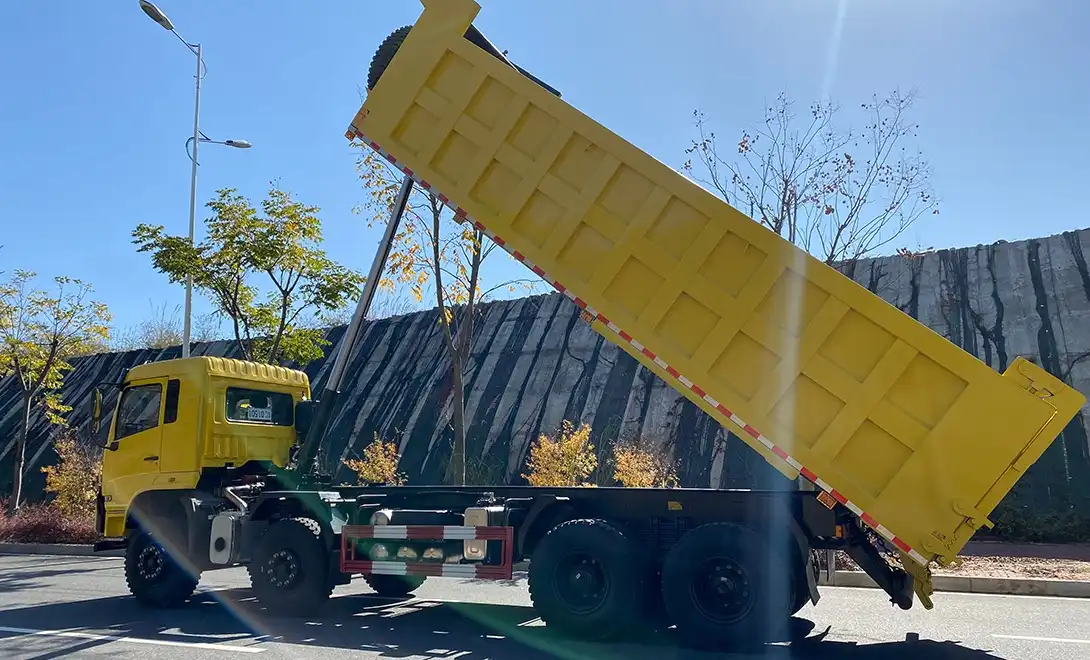
The African mining sector has specific issues that make it hard to buy equipment. These problems have a big effect on how companies buy equipment. Due to infrastructural limitations in certain areas, heavy-duty vehicles must fulfill certain operational standards, such as better off-road capabilities and durability. Changes in commodity prices and currency rates, which are important for mining companies' financing options and buying choices, are examples of economic factors.
Infrastructure and Operational Environment Considerations
Mining equipment is under extraordinary pressure since African mining operations are often located in isolated areas with poor transportation infrastructure. great heat, dust, and difficult terrain are just a few of the harsh climatic factors that necessitate the use of specialist vehicles built to function well under great stress. Because of these operating realities, equipment requirements must be carefully considered, with an emphasis on strong chassis construction, improved cooling systems, and greater ground clearance.
In distant locations, mining businesses also need to think about the availability of technical assistance and maintenance facilities. Reliability and simplicity of maintenance are crucial considerations in the procurement process since equipment downtime is sometimes prolonged by distance from major service hubs. Businesses that give these factors top priority usually see improvements in operational effectiveness and a decrease in total cost of ownership.
Market Opportunities and Growth Potential
Africa's mining industry has significant prospects for strategic equipment investment, notwithstanding operational difficulties. The need for sophisticated mining equipment is still being driven by the continent's abundant mineral resources, which include rare earth elements, copper, diamonds, and gold. Particularly active markets with expanding infrastructure development include Ghana, South Africa, Botswana, and the Democratic Republic of the Congo.
Opportunities for businesses to invest in eco-friendly equipment are also created by the growing emphasis on sustainable mining methods. As operators look to improve operating efficiency while lowering fuel costs and environmental effect, electric and hybrid mining trucks are becoming more popular.
How to Choose the Right Mining Truck for Cost-Effectiveness and Performance?
A thorough examination of operating needs, performance criteria, and budgetary factors is necessary when choosing the right mining equipment. A thorough evaluation of particular mining applications, payload demands, and operating environment features should be the first step in the procurement process. This includes choosing the best mining trucks to satisfy these criteria.
Key Performance Specifications and Evaluation Criteria
Vehicle capabilities must be matched with operational requirements for equipment selection to be successful. The main need is payload capacity; depending on the size of the application, mining activities usually need trucks that can handle 30 to 400 tons. The vehicle's capacity to traverse difficult terrain while sustaining production levels is determined by engine power and torque parameters.
Modern mining operations now place a greater emphasis on safety measures, such as operator protection systems, improved vision, and sophisticated braking systems. These features often provide substantial value via lower accident rates and insurance premiums, even if they may increase initial expenses.
Operational costs are significantly impacted by fuel economy, especially in distant areas where fuel transportation adds significant costs. When compared to previous versions, modern diesel engines with sophisticated fuel management systems may cut consumption by 15–20%, resulting in quantifiable cost savings over the course of the vehicle's operating life.
Vehicle Type Comparison and Application Suitability
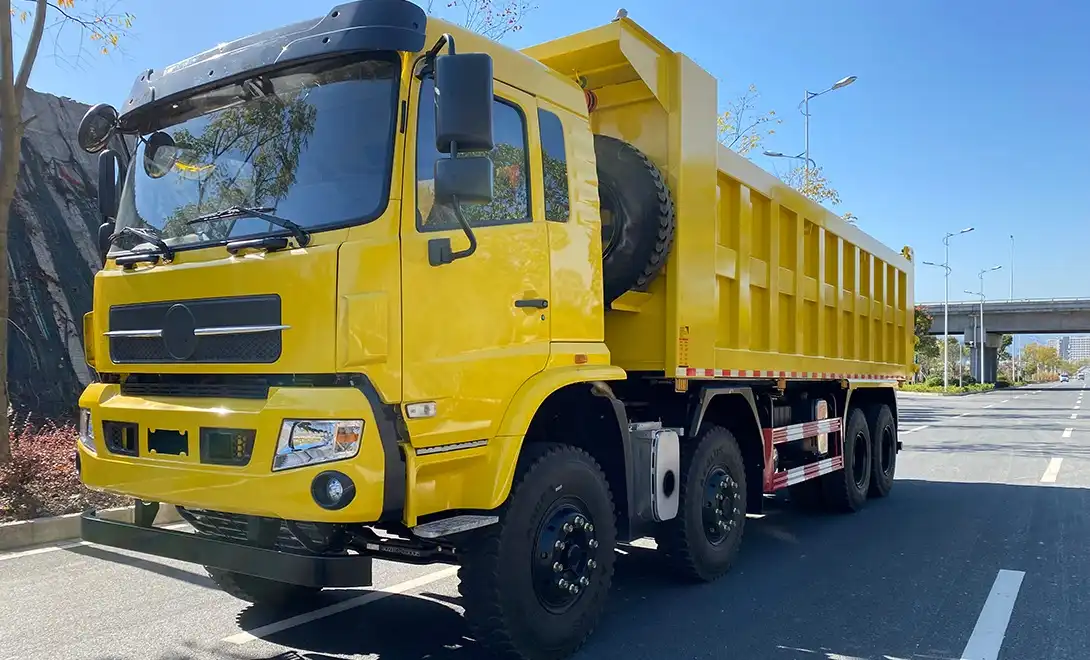
Certain vehicle layouts are needed for certain mining activities. Applications needing excellent mobility and reliable performance on uneven terrain are well suited for articulated dump trucks. Their adaptable design preserves stability under load and enables efficient operation in small areas.
For large-scale enterprises with well-established haul highways, rigid frame trucks provide higher payload capacity. For high-volume applications, these vehicles provide exceptional stability and endurance; nevertheless, improved road conditions are necessary for maximum performance. Specific operating circumstances and productivity needs should be taken into consideration while choosing between articulated and rigid frame designs.
For certain uses, electric mining trucks are becoming a competitive option. Electric trucks provide cheaper running expenses, less maintenance, and zero emissions at the point of use, but the initial investment costs are still greater than those of traditional diesel vehicles. Electric vehicles are especially appealing for subterranean activities or ecologically sensitive locations because of these advantages.
Best Practices for Ensuring Cost-Effective Procurement and Long-Term Value
A strategic strategy that goes beyond initial purchase price considerations is necessary to achieve cost-effective procurement. Fuel consumption, resale value, maintenance expenses, and operational productivity considerations should all be included in a total cost of ownership study. This thorough analysis helps in finding solutions that provide the most value throughout the course of the equipment's service life.
New versus Used Equipment Considerations
When choosing between new and old mining equipment, the initial expenditure must be weighed against operating hazards and performance standards. The newest technology, complete warranty coverage, and regular maintenance schedules are all features of new cars. Higher initial expenses are often justified by operating savings and regulatory compliance because to enhanced safety features and fuel economy.
Used equipment that has been certified may save a lot of money while still performing to appropriate standards. Buyers must, however, carefully consider the equipment's service life, maintenance records, and history. When thinking about buying secondhand equipment, thorough warranty coverage and professional examination become crucial.
Financing and Leasing Options
The management of cash flow and overall project economics may be greatly impacted by flexible financing solutions. Conventional equipment loans spread expenditures over a number of years while offering ownership advantages. For businesses with various equipment demands, such those that need mining trucks for different stages of their operations, leasing agreements provide operational flexibility and possible tax benefits.
Programs for renting out equipment provide temporary fixes for project-specific needs without requiring long-term financial commitments. These agreements may be especially helpful for short-term capacity expansion requirements or exploratory efforts. For permanent enterprises, however, long-term renting expenses usually outweigh ownership costs.
Maintenance and Support Infrastructure
Maximizing the value and operational availability of equipment requires the establishment of efficient maintenance plans. Schedules for preventive maintenance should take local operating circumstances into account while adhering to manufacturer guidelines. For tough conditions or heavy usage patterns, regular maintenance intervals may need to be adjusted.
Operational continuity is greatly impacted by access to technical help and the availability of spare parts. When making buying selections, businesses should consider local service capabilities and supplier support networks. Building connections with reputable local service providers helps guarantee timely technical assistance while lowering maintenance expenses and downtime.

Innovation and Future Trends in Mining Trucks: Fuel Efficiency and Sustainability
The mining equipment sector is constantly changing to provide more effective and sustainable solutions. Measurable gains in environmental performance and operating efficiency are being made possible by technological advancements in energy management systems, drivetrain optimization, and engine design.
Electric and Hybrid Technology Adoption
As battery technology advances and charging infrastructure expands, electric mining vehicles are becoming more and more popular. Current electric trucks have zero local emissions, lower noise levels, and rapid torque delivery. Because of these advantages, electric vehicles are especially well-suited for use in ecologically sensitive locations and subterranean activities.
Electric motors and traditional engines are combined in hybrid systems to maximize fuel economy and lower pollutants. These systems use diesel power for heavy hauling and electric power for low-load situations, automatically adjusting power sources according to operating needs. Comparing hybrid technology to traditional diesel systems, fuel consumption may be lowered by 20–30%.
Advanced Safety and Efficiency Technologies
Sophisticated safety features are included into contemporary mining trucks to safeguard operators and boost output. Radar and camera technologies are used by collision avoidance systems to identify obstructions and automatically apply the brakes when needed. Accident rates and related expenses are greatly decreased by these technologies.
Mining applications are starting to provide autonomous and semi-autonomous operating capabilities. These systems may save labor expenses and safety hazards while increasing production via consistent functioning and optimal routing. However, operational needs and regulatory compliance must be carefully taken into account throughout installation.
JCM's Commitment to Supporting African Mining Operations
JCM brings extensive experience in delivering specialized mining vehicles and comprehensive support services tailored to African market requirements. Our integrated approach combines advanced engineering capabilities with deep understanding of local operational challenges and market dynamics.
Comprehensive Product Portfolio and Customization Capabilities
Our diverse product range includes robust diesel-powered mining trucks designed specifically for African operating conditions. These vehicles feature enhanced cooling systems, improved dust protection, and reinforced chassis construction to withstand harsh environments. Electric and hybrid alternatives are available for operations prioritizing sustainability and reduced operating costs.
JCM's customization capabilities enable tailored solutions meeting specific operational requirements. Our engineering team works closely with clients to modify vehicle specifications, including payload capacity, drivetrain configuration, and safety features. This collaborative approach ensures optimal equipment performance while maintaining cost-effectiveness.
Through our global network of research and development facilities, including specialized truck development centers, we continuously innovate to address evolving market needs. Our "Surfing" automotive industry chain platform integrates worldwide expertise to deliver rapid customization and innovative product development.
Manufacturing and Support Infrastructure
Throughout Africa, JCM offers complete solutions for building local manufacturing lines and managing parts. To guarantee prompt component delivery and stringent quality control, we provide manufacturing line planning, equipment selection, process optimization, and supply chain management. While professional training programs assist local personnel in mastering assembly skills, technical assistance and consulting services ensure effective manufacturing operations.
We are able to manufacture electric drivetrain components, body welding systems, assembly fixtures, and whole car production lines. Local assembly activities are made possible by these integrated systems, which can produce up to 2,000 complete cars and 3,000 body assemblies annually. With an annual capacity of 100 MWh, battery manufacturing capabilities assist the manufacture of electric vehicles.
Conclusion
Purchasing mining trucks in Africa at a reasonable cost necessitates weighing long-term operational sustainability against performance standards and economic realities. Strategic finance methods, cautious supplier selection, and a thorough assessment of operating requirements are all necessary for success. Although implementation must be in line with particular operating circumstances and infrastructural capacities, the changing technological environment presents prospects for increased sustainability and efficiency. Businesses may position themselves for long-term operational success in Africa's volatile mining environment by implementing organized procurement procedures and establishing solid supplier connections.
FAQ
Q1: What factors should I prioritize when selecting mining trucks for African operations?
A: Prioritize payload capacity matching your operational requirements, enhanced durability for harsh environments, fuel efficiency for remote locations, and local service support availability. Consider total cost of ownership including maintenance, fuel consumption, and resale value rather than focusing solely on initial purchase price.
Q2: How do electric mining trucks compare to diesel models for African mining operations?
A: Electric trucks offer reduced operating costs, lower maintenance requirements, and zero emissions but require reliable electrical infrastructure and higher initial investment. Diesel models provide proven reliability, established service networks, and lower upfront costs but have higher fuel and maintenance expenses over time.
Q3: What financing options are available for mining equipment procurement in Africa?
A: Available options include traditional equipment loans, leasing arrangements, rental programs, and supplier financing. Many manufacturers offer flexible payment terms and local financing partnerships. Consider cash flow impact, tax implications, and equipment utilization patterns when selecting financing approaches.
Partner with JCM for Your Mining Truck Requirements
JCM stands ready to support your African mining operations with cost-effective, high-performance mining truck solutions. As an experienced mining truck supplier, we understand the unique challenges facing African mining companies and offer customized vehicles designed for optimal performance in challenging environments. Our comprehensive support includes flexible financing options, local assembly capabilities, and dedicated after-sales service to ensure maximum operational efficiency. Contact our experts at info@jcm-star.com to discuss your specific requirements and discover how our tailored solutions can optimize your fleet performance while reducing total cost of ownership.
References
1. African Development Bank. "Mining Industry Development Strategy for Africa." Economic Research Division, 2021.
2. McKinsey Global Institute. "Lions on the Move: Realizing the Potential of Africa's Economies." Mining Sector Analysis, 2022.
3. International Council on Mining and Metals. "African Mining Equipment Procurement Trends and Best Practices." Industry Report, 2023.
4. PwC Africa. "Mine Equipment and Technology: African Market Analysis." Mining Advisory Services, 2022.
5. Deloitte Mining Services. "Tracking the Trends: The Top 10 Issues Transforming African Mining." Annual Industry Review, 2023.
6. Ernst & Young Global Mining Center. "Business Risks Facing Mining and Metals: African Operations Focus." Risk Assessment Report, 2022.

Based on your vehicle requirements, we will quickly match the most suitable specifications and provide a competitive quote.
_1755581003287.webp)
Global Customized


_1756108840480.webp)
_1755854765757.webp)