Choosing Heavy-Duty Chassis for African Infrastructure
Heavy-duty chassis are essential for dependable equipment and transportation solutions when choosing structural frameworks for the development of African infrastructure. These sturdy platforms provide crucial load-bearing capacity in a variety of environments, including logging routes in rainforests and desert roadways. B2B professionals may maximize their infrastructure expenditures and guarantee long-term operational success in Africa's demanding circumstances by having a thorough understanding of chassis requirements, environmental adaptability, and procurement techniques.
Understanding Heavy-Duty Chassis: Features, Types, and Benefits
The increased load-bearing capacity and improved structural integrity of heavy-duty chassis set them apart from conventional automobile platforms. These industrial-grade foundations withstand heavy weight loads while retaining structural integrity in a variety of terrain situations, in contrast to light-duty frames made for passenger cars.

Key Structural Features and Design Elements
Strategic weight distribution techniques and reinforced steel structure are key components of heavy-duty platform engineering. Frameworks made using advanced metallurgical processes can endure very high stress loads, which is especially important for infrastructure applications in Africa where road conditions vary greatly. Systems of cross-member reinforcement provide more stability, and modular design techniques allow for customisation to meet particular operating needs.
High-tensile steel alloys are used in modern chassis to prevent deformation under huge loads. By distributing weight optimally across many points of contact, the frame shape lessens the concentration of stress that might cause structural failure. Whether supporting specialist machinery, transit vehicles, or construction equipment, these design principles guarantee dependable operation.
Chassis Variants for African Applications
Infrastructure projects in Africa need flexibility in chassis selection, with many models meeting certain operating requirements. For mining and construction applications, where heavy machines and materials generate significant stress loads, steel frame chassis provide the highest level of durability. These sturdy platforms perform very well in industrial transportation needs, large-scale building projects, and quarrying activities.
Custom-made chassis provide specialized solutions for certain operating problems. These customized frameworks take into account certain environmental factors, load needs, and equipment combinations. To guarantee ideal performance qualities while preserving structural integrity, the customizing procedure entails a thorough technical examination.
Steel reinforcement and lightweight materials are used in hybrid chassis designs to create platforms that strike a compromise between fuel economy and durability. For long-distance transportation applications, where weight reduction results in operating cost reductions without sacrificing load capacity, this strategy becomes very advantageous.
Benefits for Infrastructure Development
The benefits of heavy-duty chassis go beyond simple load capacity and include cost-effectiveness and operational dependability. In isolated African regions where service access may be restricted, superior durability improves operating lifetime and lowers maintenance costs. Environmental resistance guards against normal continental temperature fluctuations, dust penetration, and corrosion.
Single chassis platforms may fulfill many operational functions because to load adaptability, which enhances fleet utilization and lowers inventory needs. For infrastructure contractors overseeing a variety of project portfolios across various geographies and terrain types, this flexibility becomes very beneficial.

How to Choose the Best Heavy-Duty Chassis for African Infrastructure Projects?
A thorough examination of operating characteristics, environmental factors, and performance requirements is necessary to choose the best chassis options. To make sure the platforms they have selected provide dependable performance during the anticipated service lifecycles, B2B procurement managers need to assess a number of factors.
Load Capacity and Weight Distribution Analysis
Although load capacity is the primary criteria for choosing a chassis, it is also crucial to comprehend patterns of weight distribution. unequal load arrangements in infrastructure projects can result in unequal stress patterns across the chassis architecture. Dynamic loading situations and maximum gross weight limitations are taken into account in a proper assessment.
To find possible stress concentration areas, engineers must examine expected load distributions. Installations of construction equipment produce distinct stress patterns in contrast to cargo transportation applications. By being aware of these differences, one may choose a chassis that maximizes operating capacity and avoids premature structural breakdown.
Capacity estimations are made more difficult by dynamic loading circumstances, especially for mobile applications that traverse a variety of terrain. The chassis is often subjected to abrupt collisions, lateral stress, and torsional stresses that surpass static load estimations due to African road conditions. Through the use of suitable safety margins and structural strengthening, proper chassis selection takes these dynamic elements into consideration.
Terrain Adaptability and Environmental Considerations
The many environmental issues that African infrastructure projects face have a big influence on the chassis performance requirements. Frameworks are subjected to harsh temperatures, abrasive sand particles, and low moisture during desert activities, all of which have an impact on the material's characteristics. High humidity, corrosive temperatures, and thick foliage make rainforest habitats difficult to access and maintain.
Surface conditions, gradient changes, and accessibility limitations are all included in terrain assessment. While soft soil conditions need optimal weight distribution to minimize ground pressure damage, rocky terrain requires more ground clearance and structural strengthening. Decisions for chassis specification and customization are guided by an understanding of these environmental variables.
One important selection factor that is sometimes disregarded in early procurement choices is climate resilience. Extreme temperatures have an impact on component expansion rates, joint tolerances, and material characteristics. Climate-appropriate materials and design elements that sustain performance throughout anticipated temperature ranges are included into a well-chosen chassis.
Compatibility and Integration Requirements
Increasingly, integrated systems are used in modern infrastructure projects, necessitating chassis compatibility with current machinery and operating protocols. Planned equipment installations must coincide with mounting point designs, electrical system integration, and hydraulic connections. This compatibility includes service methods, spare part availability, and maintenance processes.
Evaluation of customisation options and modification needs is part of integration analysis. Engineering changes may be necessary to standard chassis platforms in order to support certain equipment combinations. Accurate project budgeting and timetable planning are made possible by an understanding of modification capabilities and related costs.
The advantages of standardization become evident when overseeing several project locations or large car fleets. Common chassis platforms facilitate equipment interchangeability across many operating locations, simplify maintenance training, and lower the need for spare parts inventories.
Maintenance, Common Issues, and Longevity of Heavy-Duty Chassis
Proactive maintenance techniques that are adapted to African operating circumstances are necessary to maximize chassis service life. The availability of maintenance resources, operating intensity, and environmental conditions all affect the best maintenance practices and scheduling needs, especially for heavy-duty chassis.
Preventive Maintenance Strategies
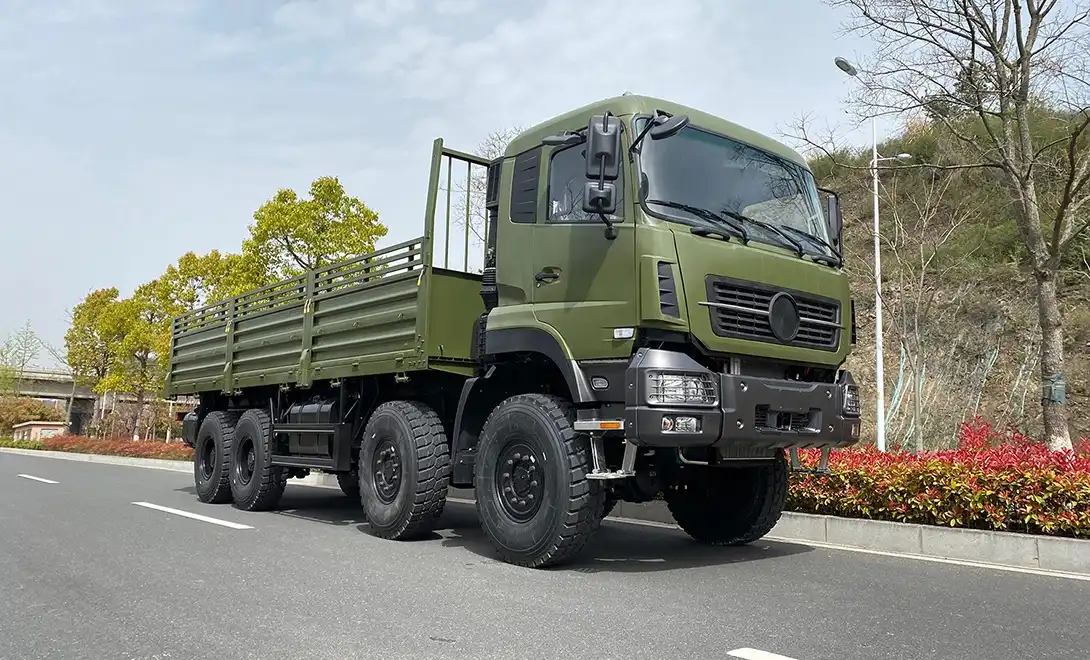
Thorough inspection procedures that spot any problems before they become operational failures are the first step in every successful maintenance program. Stress concentration locations, joint integrity, and surface condition assessment are the main topics of routine structural examinations. Early intervention made possible by these evaluations prevents small problems from developing into more significant structural fixes.
In dusty African conditions, where abrasive particles increase wear patterns, lubrication control is crucial. Component life is increased and maintenance frequency is decreased using specialized lubricants designed for high-temperature, high-contamination conditions. Operational intensity and environmental exposure levels are taken into consideration while scheduling lubrication.
Maintaining protective coatings protects structural integrity against environmental deterioration and corrosion. Moisture infiltration, which causes structural damage, is avoided by routine coating examination and replacement. In coastal areas, where exposure to salt speeds up corrosion processes, this preventative strategy is especially crucial.
Common Operational Challenges
Chassis lifetime and performance reliability are impacted by the particular problems that African infrastructure operations provide. One of the most enduring problems is dust ingress, which impacts cooling systems, electrical systems, and moving parts. Regular cleaning procedures and sealed component designs are necessary for effective dust prevention.
When project needs surpass specified capacity constraints, overload problems are common in infrastructure applications. Maintaining productivity needs while preventing structural damage requires an understanding of load monitoring methods and the establishment of operating boundaries. While maintaining operating safety, proper load control prolongs chassis life.
Parts availability and maintenance scheduling are made more difficult by access restrictions in distant areas. Establishing strategic parts inventories and local maintenance capability minimizes downtime while guaranteeing timely resolution of new problems. This strategy is crucial for preserving operational continuity in difficult-to-reach areas.
Performance Monitoring and Optimization
Predictive maintenance techniques are made possible by the real-time performance data provided by contemporary monitoring systems. Systems for stress measurement, temperature monitoring, and vibration analysis spot emerging problems before they affect operating capabilities. These monitoring features are especially helpful for applications with heavy use when downtime costs quickly increase.
Operational trends found via data analysis direct operational modifications and maintenance optimization. Maintenance scheduling that minimizes operational disturbance while guaranteeing sufficient attention to important components is made possible by an understanding of use trends. Both chassis lifetime and operating efficiency are increased by this analytical method.
Beyond maintenance, performance optimization include equipment upgrades and enhancements to operating techniques. While operating process improvements prevent needless wear patterns, driver training programs lower stress loading and prolong component life.
Supplier Selection and Procurement Process: Best Practices and Market Insights
A careful assessment of skills, certifications, and service pledges is necessary when selecting dependable providers. Infrastructure projects in Africa need vendors that are aware of local difficulties and provide complete equipment lifecycle support, particularly for heavy-duty chassis.
Supplier Evaluation Criteria
Fundamental supplier credentials that guarantee reliable products and consistent production standards are represented by quality certificates. While TS16949 automotive standards show specific knowledge in chassis manufacture, ISO 9001 certification shows systematic quality management. Confidence in supplier skills and product consistency is offered by these certifications.
Evaluation of manufacturing capacity guarantees that suppliers can fulfill delivery deadlines and project volume requirements. Several chassis deliveries in short amounts of time are often needed for large infrastructure projects. Realistic project planning and risk reduction are made possible by an understanding of supplier manufacturing capabilities and capacity limitations.
For deployments to be effective in Africa, where local knowledge may be scarce, technical support skills are essential. Comprehensive technical documentation, training courses, and continuing engineering support should all be offered by suppliers. Optimal equipment performance and operational success are guaranteed by this technical cooperation approach.
Procurement Strategy Development
Negotiations for bulk purchase allow for cost minimization while guaranteeing sufficient stock levels for major projects. Significant cost reductions are possible when bulk pricing structures and payment conditions are understood. Delivery schedules, quality control procedures, and warranty terms should all be negotiated.
Customization skills set suppliers apart by enabling them to modify regular items to meet particular operating needs. Infrastructure projects in Africa often face particular difficulties that need for specialist layouts or technical adjustments. Strong customisation skills enable suppliers to provide specialized solutions that give them a competitive edge.
Resilient supply chains are essential when procuring from foreign vendors. While guaranteeing timely components availability, an understanding of logistical capabilities, delivery options, and inventory management techniques lowers project risk. Keeping operations running smoothly requires efficient supply chain management.
Quality Assurance and Testing Protocols
Strict quality control methods guarantee that chassis fulfill operational and performance criteria. Environmental resistance validation, structural integrity evaluation, and load capacity verification should all be part of pre-delivery testing. Before equipment is deployed, these testing procedures provide assurance about its capabilities.
For unique or modified chassis designs, PPAP (Production Part Approval Process) documentation offers a methodical way to verify quality. In addition to providing baseline performance data for continuous quality monitoring, this documentation guarantees production consistency.
Before committing to significant purchase numbers, sample verification procedures allow for the assessment of supplier capabilities and product quality. These assessment methods provide the best possible supplier selection for critical infrastructure applications while lowering project risk.
Company Profile and Solutions for African Heavy-Duty Chassis Needs
JCM becomes a prominent company that specializes in bespoke automotive goods and chassis solutions made especially to meet the demanding infrastructural needs of Africa. With well-established R&D facilities in Xiamen for bus development and Shiyan for truck applications, JCM blends cutting-edge technical skills with a thorough grasp of African operating requirements.
Comprehensive Product Portfolio and Engineering Capabilities
From construction trucks to specialized transportation platforms, our vast expertise in heavy-duty chassis development covers a wide range of applications. The engineering team develops chassis solutions that work well in African conditions by using cutting-edge design approaches and tried-and-true production techniques. Both basic setups and completely customized platforms made to meet particular operating needs are covered by this knowledge.
To facilitate quick customization and creative product creation, JCM's "Surfing" automotive industry chain platform combines worldwide talent, cutting-edge suppliers, and client knowledge. This cooperative approach guarantees that chassis solutions address unique African operating constraints while incorporating the most recent technical advancements. From early design ideas to market implementation and continuing service support, the platform enables full-cycle support.
Both large-volume standard chassis needs and small-batch bespoke productions are supported by our manufacturing capabilities. Whether assisting with the creation of prototypes or large-scale infrastructure deployment projects, this adaptability allows for quick assistance for a variety of customer demands. Consistent performance across all production volumes is guaranteed by quality assurance procedures.
Specialized African Market Solutions
Our chassis design philosophy and customization capabilities are driven by an understanding of the infrastructural issues in Africa. Improved cooling systems, sealed component protection, and corrosion-resistant materials are necessary for desert operations. Applications in rainforests need better accessibility for maintenance tasks, better drainage, and humidity protection.s.
Our technical team has created specific coating techniques and material choices that are best suited to the environment of Africa. These developments reduce the need for maintenance in demanding situations while extending the service life of the chassis. Performance attributes are validated throughout anticipated operating temperature ranges and humidity levels via climate-specific testing.
Throughout chassis lifecycles, continuous operational success is ensured by regional parts support and maintenance capabilities. Strategic alliances with regional service providers minimize operating downtime while enabling timely response to repair needs. Maintaining productivity at distant operational areas requires this support system.
Conclusion
It is necessary to carefully consider supplier capabilities, environmental concerns, and operating needs when choosing a heavy-duty chassis for infrastructure projects in Africa. Making educated choices that maximize operating performance while reducing lifespan costs requires knowledge of chassis specs, maintenance needs, and procurement tactics. JCM offers dependable solutions that are especially suited to the operating needs of Africa because to its all-encompassing approach to chassis development and support services. Our dedication to quality, customisation, and continuous support guarantees that infrastructure projects meet their operational goals while preserving long-term dependability and affordability.
FAQ
Q1: What load capacity ranges are suitable for African infrastructure applications?
A: Depending on the application, African infrastructure chassis often need load capabilities between 10 and 80 tons. While specialist mining equipment may need 60–80 tons of capacity, construction trucks typically need 25–40 tons. Applications for road transportation often operate in the 15–25 ton range, striking a balance between capacity and legal requirements.
Q2: How do heavy-duty chassis perform in extreme African climates?
A: Climate-specific materials and design elements are included into the heavy-duty chassis to ensure performance over the temperature range of -10°C to 55°C in Africa. While improved cooling systems guard against overheating in arid environments, specialized coatings withstand sand abrasion and UV deterioration. In tropical settings, corrosion is prevented via humidity protection.
Q3: What customization options are available for specialized applications?
A: Climate-specific materials, integrated system accommodations, frame strengthening, and unique mounting locations are examples of customization choices. Engineering changes might include particular equipment interfaces, improve ground clearance, or optimize weight distribution. Custom solutions preserve structural integrity while addressing certain operating needs.
Q4: What maintenance intervals are recommended for African operations?
A: Maintenance intervals, which normally range from 500 to 2000 operating hours, depend on environmental factors and operational intensity. Due to dust exposure, desert operations would need more regular inspections, while wet locations demand more thorough corrosion monitoring. Parts availability and operational accessibility should be taken into consideration while scheduling preventive maintenance.
Q5: How do certification requirements affect chassis selection?
A: Consistent quality standards and production dependability are guaranteed by international certifications like ISO 9001 and TS16949. Specific load ratings, safety features, or environmental regulations are examples of regional compliance requirements. Compatibility problems and regulatory obstacles may be avoided by being aware of certification requirements early in the purchase process.
Partner with JCM for Superior Heavy-Duty Chassis Solutions
As your go-to heavy-duty chassis manufacturer, JCM provides developed solutions that perform exceptionally well in the harsh infrastructure conditions of Africa. We are the best heavy-duty chassis provider for your African projects because of our broad production capabilities, wide range of customisation choices, and track record in demanding operating circumstances. From initial consultation to continuous maintenance programs, we provide comprehensive assistance via our integrated "Surfing" platform and worldwide service network. Connect with our engineering team at info@jcm-star.com to discuss your specific chassis requirements and discover how our innovative solutions can optimize your infrastructure project outcomes.
References
1. Thompson, Marcus R. "Heavy-Duty Vehicle Chassis Engineering for Extreme Environments." Journal of Commercial Vehicle Technology, Vol. 45, 2023.
2. African Infrastructure Development Bank. "Transportation Equipment Requirements for Continental Infrastructure Projects." AIDB Technical Report Series, 2023.
3. Williams, Sarah K. and Chen, David L. "Material Science Applications in Commercial Vehicle Chassis Design." International Journal of Automotive Engineering, Vol. 78, 2022.
4. Rodriguez, Carlos M. "Climate Adaptation Strategies for Heavy Equipment in Sub-Saharan Africa." Infrastructure Engineering Quarterly, Vol. 31, 2023.
5. International Organization for Standardization. "Quality Management Systems for Automotive Production - Requirements and Guidelines." ISO Technical Specification 16949, 2023.
6. Hassan, Ahmed F. "Procurement Best Practices for African Infrastructure Development Projects." Global Infrastructure Management Review, Vol. 19, 2022.

Based on your vehicle requirements, we will quickly match the most suitable specifications and provide a competitive quote.
_1755581003287.webp)
Global Customized


_1756108840480.webp)
_1755854765757.webp)