Choosing a 14m Luxury Coach for Tourism Transportation
When choosing the best transportation option for tourist activities, it's important to think about how many people can fit, how comfortable the vehicles are, and how efficiently they can run. 14m luxury coach selection is becoming more and more important for tourist companies that want to offer great travel experiences while staying ahead of the competition. These longer cars offer better space for passengers, more advanced safety features, and high-end amenities that set tourist services apart in crowded markets. Modern tourism transportation needs high-tech vehicle solutions that balance the needs of passengers with the needs of making money for the business. This means that making smart choices about what to buy is important for business success.
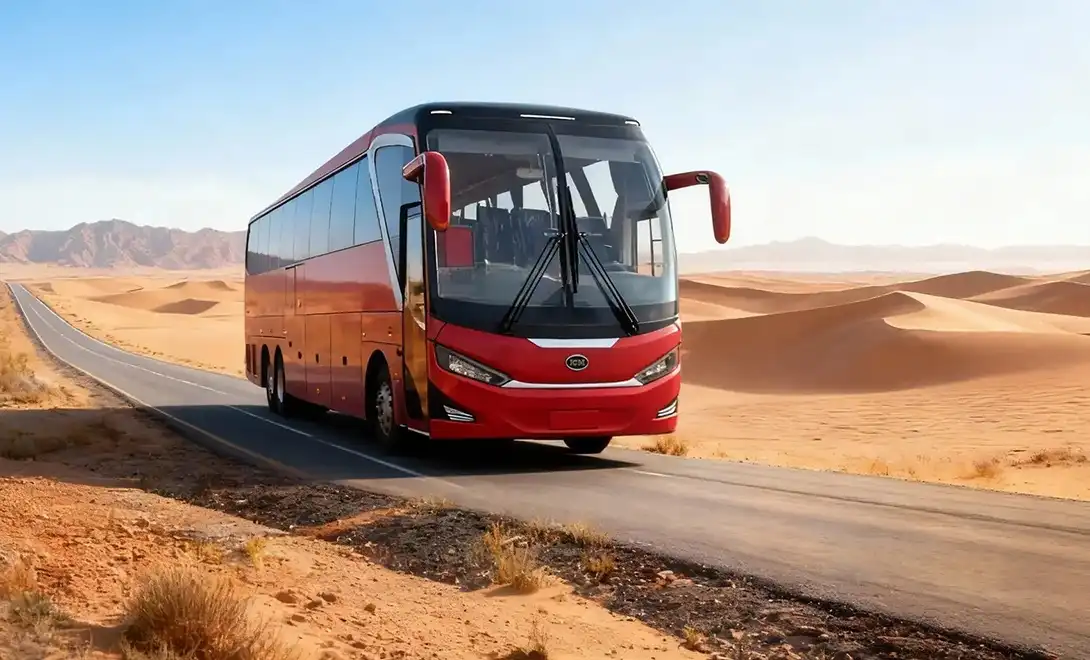
When making strategic decisions, B2B procurement managers, fleet operators, and tourism transportation businesses need to know about the technical specs, market choices, and operational benefits of investing in luxury coaches. Tourism transportation companies are becoming more aware that the quality of the vehicles they use has a direct effect on keeping customers, building brand image, and making money.
Understanding the Key Features and Specifications of a 14m Luxury Coach
Passenger Capacity and Seating Configurations
Tourism transportation cars have to be able to meet the needs of a wide range of passengers while still keeping high standards of comfort on long trips. Extended-length coaches can usually fit between 49 and 59 people, based on how the seats are set up. These arrangements are flexible to suit tour group sizes and comfort preferences. Premium seats have features like reclining seats with movable headrests, individual climate controls, and built-in video systems that make long-distance travel more enjoyable for passengers.
Modern seat designs are more comfortable and less tiring for passengers, and they come with leather or high-quality cloth padding and adjustable spacing that balances comfort and capacity. These features directly affect how passengers rate their experiences, how many times they book again, and how profitable a tourist business is by making services stand out more.
Engine Performance and Fuel Efficiency Standards
Modern luxury coaches have advanced powertrain technologies that make the best use of fuel while still providing steady performance in a wide range of circumstances. Engine specs usually fall between 350 and 450 horsepower, and they have modern pollution control systems that meet Euro VI or similar environmental standards. Improvements in fuel economy through aerodynamic design, lightweight materials, and better drive systems lower costs and help reach environmental sustainability goals.
Automatic gearbox systems, regenerative braking, and smart power management that changes based on driving conditions and route needs are all examples of modern engine technologies. These technological improvements help lower upkeep costs, make vehicles last longer, and make operations more reliable, all of which are important for planning transportation for tourists.
Safety Technologies and Compliance Standards
International safety standards require public transportation cars to have full protection systems that go above and beyond what is required by standard automobile standards. Advanced driving support systems, such as collision prevention technology, lane departure warnings, and electronic stability control, are built into 14m luxury coach types. These systems make operations safer. Multiple exits, fire suppression systems, and communication tools are all examples of emergency readiness features that keep passengers safe in case of an emergency.

As part of the requirements for compliance certification, strict testing procedures are used to check the vehicle's structural stability, brake performance, and passenger safety systems. These licenses give procurement managers faith in the safety standards of the vehicles they buy, and they also meet insurance and government rules that are necessary for business tourist operations.
Comparing the 14m Luxury Coach with Other Coach Types in Tourism
Capacity Advantages Over Standard Vehicle Options
In terms of capacity, extended-length coaches are much better than normal 12-meter types. They can fit about 15 to 20 more people without affecting their comfort. This rise in capacity means more money made per trip, lower transportation costs per passenger, and better handling of tour groups. By optimizing the number of passengers per vehicle, tourism companies can cut down on the number of vehicles they need, make logistics planning easier, and make more money.
Optimizing capacity includes more than just adding seats for people. It also includes adding more space for bag storage, better bathrooms, and tour equipment or beverage services. These practical benefits help provide a wide range of tourism services while meeting the comfort needs of passengers during long trips.
Operational Cost Analysis and Return Investment
An study of investments shows that extended-length luxury coaches have a higher return potential than normal options because they can carry more passengers, use less fuel per passenger, and last longer. The costs of the initial purchase are balanced out by higher booking fees for luxury transportation services, better operating efficiency, and lower upkeep needs per passenger mile.
Based on financial modeling, investments in 14m luxury coach models usually pay for themselves in 4 to 6 years, though this depends on how often they are used, the routes they take, and how they are priced. Businesses that offer luxury coach services to tourists see average revenue rises of 25–35% compared to normal transportation options. This supports the case for investing in high-end vehicles.
Market Positioning and Competitive Differentiation

Luxury coach services let tourist businesses go after high-end customers while charging more for better experiences for passengers. Market study shows that tourists are putting more value on comfort, safety, and amenities when choosing tour providers. This is good news for companies that offer better transportation services. Offering high-end vehicles helps with brand marketing strategies that set services apart from rivals who focus on low prices.
Businesses that provide transportation for tourists that use luxury coaches report higher customer happiness, more return bookings, and higher referral rates than businesses that use regular vehicles. These quality benefits go along with higher profits, helping long-term plans for business growth and market share development.
Procurement Strategies and Considerations for B2B Buyers
Supplier Evaluation and Partnership Development
To buy coaches successfully, you need to do a full review of the suppliers' manufacturing skills, after-sales help infrastructure, and financial stability. Leading makers have long histories of making business vehicles, large networks of dealers, and thorough guarantee programs that protect buyers' investments. When evaluating a partnership, you should look at how responsive the provider is, how well they can help with technical issues, and how readily available parts are to ensure long-term operating reliability.
When buying something from another country, you need to think about things like trade rules, certificates of compliance, and how the exchange rate will affect the total cost of ownership. Building relationships with experienced importers or manufacturers who already have businesses in the U.S. makes the buying process easier and makes sure that regulations are followed and that help is always available.
Financing Options and Budget Optimization
Commercial car funding includes a range of choices, such as traditional loans, lease deals, and special transportation financing plans made just for tour operators. Lease agreements give you budget freedom, a clear idea of your monthly costs, and maybe even tax benefits, all while keeping your capital for business investments. Purchase financing choices offer long-term benefits like asset equity building, business control benefits, and benefits for fleet management strategies.
When making a budget, you should think about the total cost of ownership, which includes things like insurance, repairs, gas, and the car's decline over time. Financial modeling shows that a full cost analysis can often find surprising value ideas that affect the best ways to buy things and choose which vendors to work with.
Quality Assurance and Inspection Protocols
Professional car inspection procedures make sure that investments in buying meet specs, quality standards, and practical needs before they are accepted as delivered. Pre-delivery tests check the mechanical systems, internal finishes, functionality of safety equipment, and the vehicle's appearance. Some of the things that need to be documented are compliance certificates, warranty terms, and repair plans that help with strategic asset management and operational planning.

Quality assurance goes beyond just delivering the car; it also includes keeping an eye on it during the break-in time, planning early maintenance, and checking its performance to make sure it is in the best shape possible during the most important early stages of operation. These guidelines keep investments in procurement safe and lay the groundwork for long-term operating success and dependability.
Optimizing 14m Luxury Coach Performance for Tourism Operations
Maintenance Scheduling and Operational Efficiency
Through organized care routines, preventive maintenance programs make sure that vehicles are always available, that they last longer, and that unexpected repair costs are kept to a minimum. Professional maintenance plans take into account what the maker suggests, what the business needs, and what the law says, so the car stays in great shape for as long as it's supposed to. Advanced monitoring systems allow for predictive maintenance, which finds problems before they cause problems with operations.
Optimization of maintenance includes training programs for drivers, operating monitoring systems, and performance tracking methods that find ways to make things run more efficiently. These all-around methods cut down on costs while keeping services reliable, which is important for meeting customer happiness and transportation schedule goals for tourists.
Driver Training and Safety Protocol Implementation
Professional driver training programs teach drivers how to operate different types of vehicles, how to provide good customer service, and how to follow safety rules so that they can always provide the same level of service. Operating a 14m luxury coach requires specific skills, such as knowing how to drive such a long vehicle, how to communicate with passengers, and how to handle emergencies. Service standards are kept up to date by ongoing training programs that react to changing safety requirements and best practices for operations.
Implementing safety protocols includes regular drills, equipment checks, and incident action plans that keep passengers safe while limiting the company's responsibility. Full training records help with insurance needs, following the rules, and operational quality assurance programs that are necessary for business tourist transportation.
Technology Integration and Passenger Experience Enhancement
Modern luxury trains have high-tech features like Wi-Fi, entertainment platforms, and contact systems for passengers that make the journey experience better. GPS tracking, route optimization, and real-time contact make operations more efficient and let customers know when their rides will arrive and about changes to the service. Investing in technology helps businesses stand out from their competitors and meets modern customer needs for connection and ease of use.

Improvements to the passenger experience include better climate control, noise-cancelling technologies, and the addition of comfort amenities that set luxury transportation services apart. These investments support tactics that charge higher prices. They also build customer loyalty and good service reviews, which help the business grow through word of mouth and return bookings.
Future Trends and Innovations Impacting 14m Luxury Coaches in Tourism
Electric and Hybrid Powertrain Development
Alternative engine technologies for business transportation are becoming more popular because of rules about the environment and concerns about running costs. Electric luxury coaches have big operating cost benefits because they use less fuel, need less upkeep, and there may be incentive programs that support environmental sustainability goals. It is possible to find intermediate solutions that use less fuel while still having the range that is needed for tourist routes using hybrid technologies.
Adoption times for alternative powertrain technologies are affected by the growth of infrastructure, such as charging station networks and the skills of repair facilities. When tourism businesses are planning their next fleet investments, they should think about new technologies along with the availability of facilities and the total cost effects for planning operations and buying things.
Smart Vehicle Technologies and Predictive Analytics
Integration of the Internet of Things allows for full tracking of vehicles, scheduling of preventative repair, and operating optimization through data analytics platforms. Smart car technologies allow for real-time monitoring of performance, optimization of fuel economy, and control of passenger comfort, all of which improve operating efficiency. Predictive analytics helps with practical decision-making, route optimization, and planning maintenance by collecting and analyzing a lot of data.
Through full data merging, advanced telematics systems make it possible to improve business efficiency, optimize fleet management, and keep an eye on driver performance. Through better operational management and planned preventative maintenance, these technologies help strategies that aim to cut costs while also boosting service dependability and customer happiness.
Post-Pandemic Tourism Transportation Adaptations
Concerns about public health have forever changed what passengers expect from business transportation in terms of cleanliness, air quality, and safety rules. More and more, 14m luxury coach designs are being built with advanced air filtering systems, antimicrobial surfaces, and easier access to cleaning areas to meet the needs of health-conscious passengers. Tourism businesses have to find a mix between health and safety measures and how comfortable their customers want to be, all while keeping their businesses running efficiently and saving money.
As the market moves toward private group transportation and outdoor tourist sites, luxury coach operators who cater to health-conscious visitors will have more chances to make money. These trends support strategies that charge higher prices, but they also mean that operations and services need to change to meet new customer standards and government rules.
Conclusion
14m luxury coach selection is a smart investment chance for tourist transportation companies that want to get ahead of the competition by giving customers better experiences, running their businesses more efficiently, and standing out in the market. A thorough look at the vehicle's specs, the supplier's skills, and the needs of the operation lets you make smart purchasing choices that will help your business succeed in the long run. Modern luxury coaches have measurable benefits like more space for passengers, better comfort features, and more up-to-date safety technologies. These benefits make up for the higher initial investment costs by increasing running profits and customer happiness.
To successfully adopt a luxury coach, you need to do strategic planning that includes optimizing finances, integrating operations, and managing performance on a regular basis to get the best return on your investment. When tourism transportation businesses choose high-quality vehicles that prioritize customer satisfaction and operating excellence, they set themselves up for long-term growth and competitive success in a market that is always changing.
FAQ
What is the typical passenger capacity of a 14m luxury coach?
Depending on how the seats are set up and how comfortable you want them to be, extended-length luxury cars can usually fit 49 to 59 people. Seating arrangements can be changed to balance capacity with passenger comfort needs. Premium layouts offer more roomy seats and extra perks that may lower the total number of passengers while improving the experience of each individual passenger.
How does fuel efficiency compare between 14m luxury coaches and smaller vehicles?
Modern 14m luxury coaches get between 6 and 8 miles per gallon, but this depends on the engine, the route, and the number of people on board. Absolute fuel usage is higher than in smaller cars, but per-passenger fuel efficiency often shows benefits by making better use of space. New motor technologies and changes to aerodynamics are continuing to make all types of long vehicles more fuel efficient.
What safety certifications are required for commercial luxury coach operation?
Commercial luxury coaches have to follow the Federal Motor Vehicle Safety Standards, the rules set by the Department of Transportation, and the rules that each state has for business vehicles. Before they can be used on a business level, international cars need to be certified to comply with emission standards and have proof of their safety equipment. Professional testing and licensing of vehicles make sure they meet safety standards and follow the rules.
What financing options are available for luxury coach procurement?
Traditional bank loans, specialized transportation financing, lease agreements, and manufacturer funding schemes are all types of commercial vehicle finance. Leasing gives you practical freedom and predictable costs, while buying something builds asset value and gives you more control over your operations. Environmental or economic growth projects that meet certain requirements may get extra money from government reward programs.
How do maintenance costs compare with standard coach vehicles?
Maintenance costs for luxury coaches are usually higher than those for regular cars because they have more complex systems, higher-quality parts, and unique service needs. Per-passenger repair costs, on the other hand, often show benefits through higher capacity usage and longer car lifespan. Programs for preventative maintenance and maker warranties help keep costs down and make sure that service is delivered reliably.
Partner with JCM for Your 14m Luxury Coach Requirements
Transform your tourism transportation capabilities with JCM's complete 14m luxury coach options, which are made for operators who want to achieve operating excellence and passenger happiness. Our streamlined method includes advanced car design, the ability to customize, and full-cycle support. This makes sure that your investment pays off by improving operating efficiency and giving you a competitive edge. As a reliable 14m luxury coach provider, JCM offers full turnkey solutions, from the initial consultation to ongoing operational support. This makes it easy to integrate fleets and control performance more effectively. Contact info@jcm-star.com right away to learn about our newest products, talk about customization options, and find out how our years of experience can help your tourism transportation services.
References
1. International Association of Public Transport. Commercial Vehicle Safety Standards and Certification Requirements. Public Transportation Research Journal, 2023.
2. American Bus Association. Tourism Transportation Industry Analysis and Market Trends Report. Commercial Transportation Quarterly, 2023.
3. Society of Automotive Engineers. Heavy-Duty Vehicle Fuel Efficiency and Emission Control Technologies. Automotive Engineering International, 2023.
4. National Highway Traffic Safety Administration. Federal Motor Vehicle Safety Standards for Commercial Passenger Vehicles. Transportation Safety Review, 2023.
5. Commercial Vehicle Research Foundation. Total Cost of Ownership Analysis for Extended-Length Passenger Coaches. Fleet Management Economics Journal, 2023.
6. Tourism Transportation Association. Passenger Experience and Service Quality Standards in Commercial Coach Operations. Tourism Industry Research Quarterly, 2023.

Based on your vehicle requirements, we will quickly match the most suitable specifications and provide a competitive quote.
_1755581003287.webp)
Global Customized


_1756108840480.webp)
_1755854765757.webp)