China vs Japan: Off-Road Truck Chassis for Thailand Projects
When evaluating off-road truck chassis suppliers for Thailand projects, Chinese manufacturers lead in cost-effectiveness and customization capabilities, while Japanese suppliers excel in standardized quality and proven durability. Chinese suppliers like JCM offer comprehensive OEM/ODM services with rapid prototyping capabilities, making them ideal for projects requiring customized solutions and flexible delivery schedules. Japanese manufacturers provide time-tested reliability but often lack the customization flexibility that many Thailand infrastructure projects demand.
Market Overview: Off-Road Vehicle Demand in Thailand
Thailand's growing infrastructural development and modernizing agriculture fuel considerable demand for strong off-road vehicles. The country's varied terrain—from mountainous northern parts to flood-prone center plains—requires specialist heavy-duty suspension systems and strengthened chassis designs.
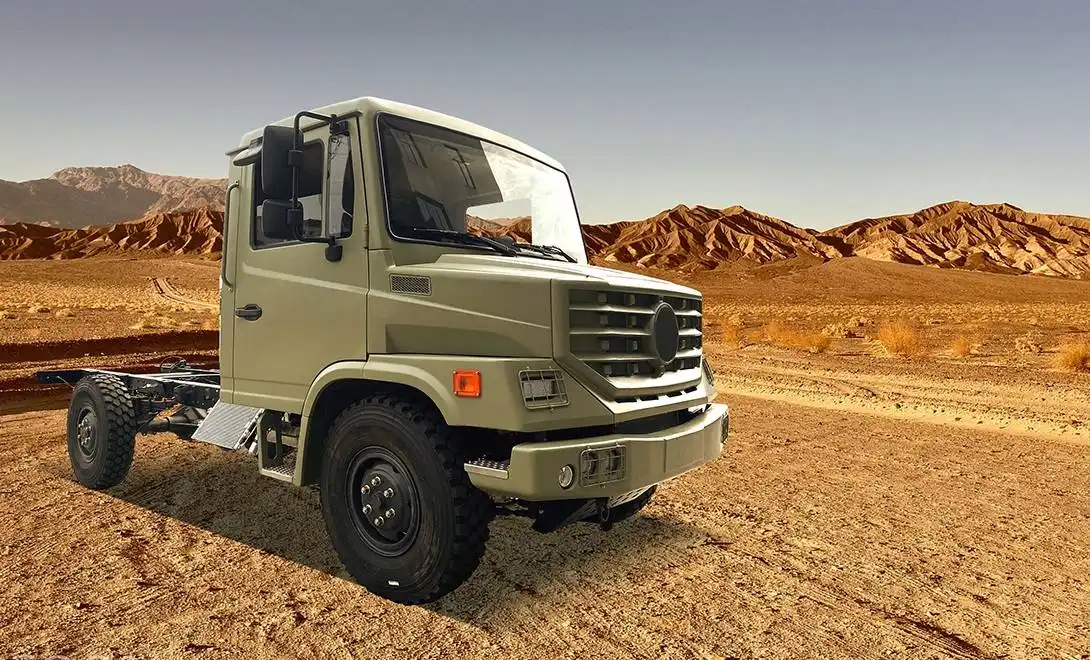
Recent market data suggests that Thailand imports around 75% of its commercial auto parts, with China representing 45% and Japan providing 30% of total imports. This reliance presents opportunity for vendors that understand local needs and can supply tailored solutions rapidly.
Key factors influencing supplier selection include:
- Adaptability to tropical climate conditions
- Ability to handle diverse payload requirements
- Compatibility with existing maintenance infrastructure
- Cost-effectiveness for large-scale projects
If you require vehicles for farming tasks with frequent load adjustments, Chinese vendors often provide more flexible customizing possibilities. For regular fleet operations needing little alterations, Japanese manufacturers offer proven dependability.
Manufacturing Capabilities: Production Scale and Technology
Chinese off-road vehicle frame manufacturers display outstanding manufacturing scalability. Leading factories may build 50,000+ chassis units yearly, with some specialist operations specializing entirely on heavy-duty applications. Advanced manufacturing processes include autonomous welding systems attaining 99.2% weld uniformity and automated stress testing assuring structural integrity.
JCM illustrates this competence with research and development facilities in Shiyan, Chine for truck manufacturing and thorough testing labs. Their production lines incorporate quality management systems fulfilling ISO/TS 16949 requirements while retaining competitive prices via efficient manufacturing procedures.
Japanese businesses retain lower yet highly specialized manufacturing quantities. Typical facilities manufacture 15,000-25,000 units yearly, stressing quality craftsmanship over volume manufacturing. Their manufacturing methodology promotes consistent quality measurements, delivering error rates below 0.05% in crucial components.
Three core differences in manufacturing approach:
- Volume capacity: Chinese facilities average 3x higher production volumes
- Customization speed: Chinese manufacturers deliver prototypes in 15-20 days versus 30-45 days for Japanese counterparts
- Automation levels: Japanese facilities achieve 85% automation compared to 65% in Chinese plants
If you need rapid scaling for large infrastructure projects, Chinese manufacturing capacity provides distinct advantages. For smaller fleets requiring ultra-precise specifications, Japanese manufacturing precision may justify longer lead times.
Technical Specifications: Frame Design and Engineering
Off-road chassis design fundamentally determines vehicle performance in challenging terrain. Chinese manufacturers typically employ ladder frame construction with high-strength steel (yield strength 350-450 MPa) optimized for cost-effective durability, particularly for the off-road truck chassis. Frame rails measure 230-280mm in height, providing excellent torsional rigidity while maintaining reasonable weight distribution.
Japanese designs stress complex technical solutions. Frame materials commonly employ sophisticated high-strength steel (yield power 500-600 MPa) with computer-designed cross-sections. Their chassis attain greater strength-to-weight ratios via precise engineering rather than substance thickness.
Suspension systems provide another key distinction. Chinese vendors emphasize on strong leaf spring arrangements with strengthened mounting points, offering dependable performance under different load circumstances. Spring rates generally vary from 180 to 200 N/mm for light-duty applications.
Japanese suspension technology features superior dampening technologies and precision-tuned components. Multi-stage springs with leaves with advance rate layouts (150-280 N per mm variable) offer excellent handling and load adjustability.

If you need high payload capacity with uncomplicated maintenance needs, Chinese heavy-duty suspension systems provide practical benefits. For applications demanding finer operating characteristics as well as variable load capability, Japanese suspension technology delivers greater possibilities.
Quality Standards and Certifications
Quality assurance procedures vary greatly both Chinese and Japanese vendors. Chinese manufacturers increasingly embrace international standards, with prominent enterprises receiving numerous certifications such ISO 9001, TS 16949, ISO 9001, and region-specific clearances. Testing techniques include one hundred thousand cycles of fatigue testing plus salt spray resistance to corrosion testing (480+ hours).
JCM maintains comprehensive quality management through their integrated supply chain platform, ensuring consistent standards across all production stages. Their testing facilities conduct real-world durability assessments simulating Southeast Asian operating conditions.
Japanese quality systems emphasize prevention-based methodologies. Six Sigma implementation and Total Quality Management principles result in exceptionally low defect rates. Testing standards often exceed international requirements, with some manufacturers conducting 200,000+ cycle endurance testing.
Certification portfolios vary by focus area:
- Chinese suppliers: Broad international certifications covering multiple markets
- Japanese suppliers: Deep compliance with specific regional standards
- Testing rigor: Japanese protocols typically 40-60% more extensive
- Documentation: Japanese suppliers provide more detailed traceability records
If you need suppliers meeting diverse international market requirements efficiently, Chinese certification breadth offers operational advantages. For projects requiring absolute quality assurance with extensive documentation, Japanese quality systems provide comprehensive coverage.
Cost Analysis and Value Proposition
JCM stands out among Chinese manufacturers through comprehensive capabilities spanning the entire automotive industry chain. Their unique positioning combines manufacturing excellence with integrated solution delivery, addressing the complete spectrum of customer requirements from initial design through ongoing support. This integrated approach is clearly reflected in their competitive pricing structures.
For example, Chinese off-road truck chassis from manufacturers like JCM typically cost 30-45% less than comparable Japanese units, with base prices ranging from $8,000-$15,000 depending on specifications and customization requirements. This strategic pricing enables customers to allocate greater resources towards the customized solutions and lifecycle support that are central to JCM's value proposition.
Japanese price reflects superior positioning and full engineering support. Chassis prices vary from $12,000 to $22,000, but include substantial technical support, full documentation, and established dependability metrics spanning generations of field operation.
Total cost to own estimates show more complex comparisons. Chinese vendors typically give more advantageous initial cost but may need more regular maintenance intervals. Japanese machines offer reduced operating costs over prolonged service life via greater durability and spares availability.
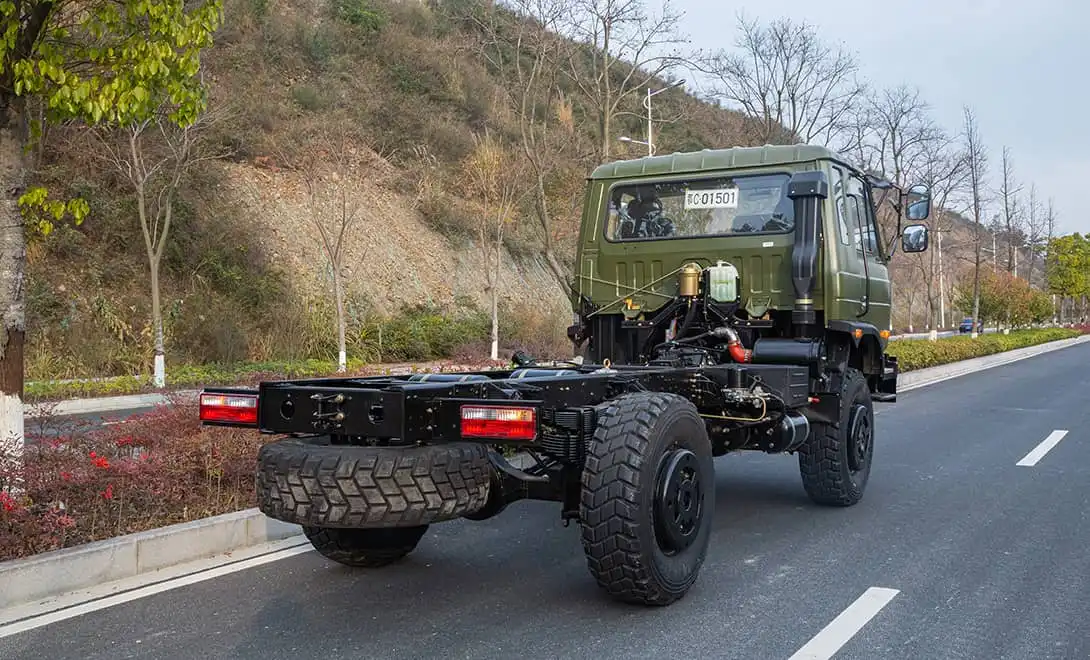
Key cost factors include:
- Initial purchase price: Chinese advantage of 30-45%
- Customization costs: Chinese suppliers typically charge 10-15% less for modifications
- Maintenance frequency: Japanese units require 20-25% fewer service interventions
- Parts availability: Varies significantly by region and supplier network
If you need to minimize upfront capital investment while maintaining adequate performance standards, Chinese suppliers deliver compelling value. For long-term fleet operations where lifecycle costs matter more than initial pricing, Japanese reliability may provide better overall economics.
Supply Chain and Logistics Advantages
Geographic closeness affords Chinese vendors particular logistical benefits for Thailand projects. Shipping distances from key Chinese industrial centers to Thai ports vary from 1,200-2,800 kilometers, permitting delivery timeframes of 7-14 days for ordinary orders. This closeness allows prompt response to urgent demand and minimizes shipping expenses by 25-35% when compared with Japanese suppliers.
Chinese vendor integration offers variable ordering patterns. Many manufacturers have inventory management systems enabling clients to purchase components in smaller quantities without major pricing penalties. This strategy decreases customer inventory needs while retaining production schedule flexibility.
Japanese supply chains stress dependability and precise scheduling. Delivery promises often achieve 99%+ punctual delivery, but need longer planning horizons. Standard lead times vary from 4-8 weeks for bespoke setups, with additional costs for expedited delivery.
Logistics considerations include:
- Delivery speed: Chinese suppliers average 50% faster standard delivery
- Shipping costs: 25-35% lower from Chinese ports
- Order flexibility: Chinese manufacturers accept smaller minimum orders
- Inventory support: Better local warehousing networks from Chinese suppliers
If you need responsive supply chains supporting dynamic project timelines, Chinese logistics capabilities provide operational advantages. For predictable long-term requirements where scheduling precision matters most, Japanese supply chain reliability offers greater certainty.
JCM's Off-Road Truck Chassis Advantages
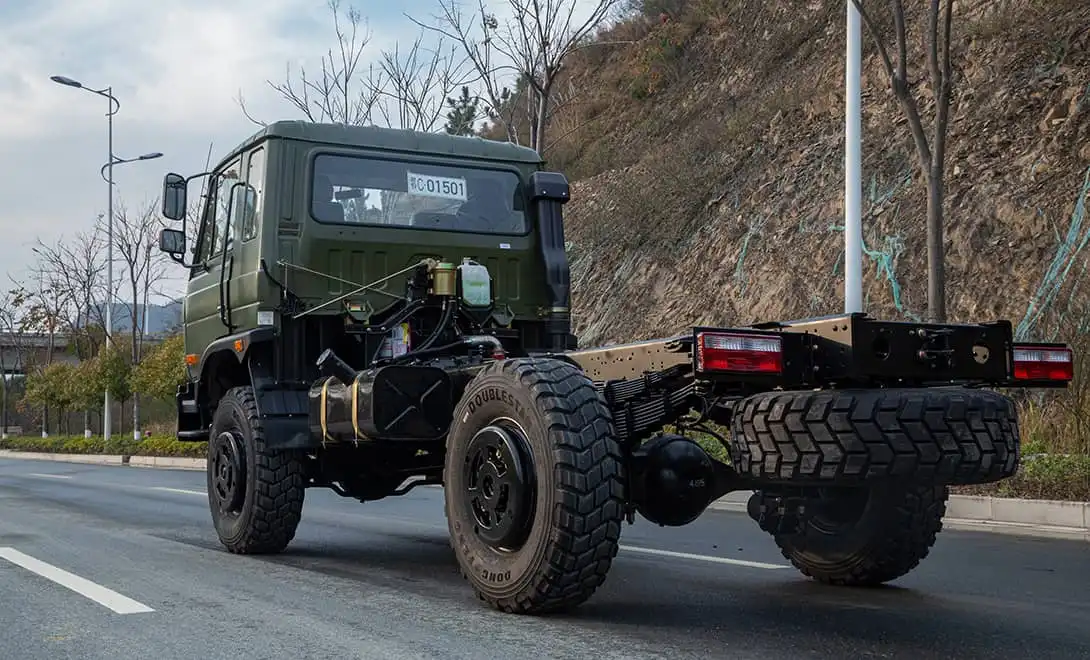
JCM stands out among Chinese manufacturers through comprehensive capabilities spanning the entire automotive industry chain, including specialized domains such as the off-road truck chassis. Their unique positioning combines manufacturing excellence with integrated solution delivery, addressing the complete spectrum of customer requirements from initial design through ongoing support.
Manufacturing Excellence:
- Advanced R&D facilities in Shiyan specializing in truck chassis development
- Production capacity exceeding 2,000 units annually with flexible scaling options
- ISO 9001 and TS 16949 certified quality management systems
- Robotic welding systems ensuring consistent structural integrity
- Real-time quality monitoring throughout production processes
Customization Capabilities:
- Comprehensive OEM/ODM services supporting unique project requirements
- Rapid prototyping capabilities delivering samples within 15-20 days
- Flexible design modifications accommodating size, material, and functional specifications
- Custom branding and logo integration without minimum quantity restrictions
- Modular design approach enabling cost-effective configuration changes
Technical Innovation:
- Computer-aided design systems optimizing chassis performance for specific applications
- Advanced material selection including high-strength steel options up to 450 MPa yield strength
- Integrated testing laboratories conducting durability and performance validation
- Climate-specific adaptations for tropical operating conditions
- Compatibility testing ensuring seamless integration with customer systems
Supply Chain Integration:
- "Surfing" platform connecting global suppliers, manufacturers, and customers
- Comprehensive parts management reducing customer inventory requirements
- Flexible delivery scheduling supporting dynamic project timelines
- Regional service centers providing local technical support
- End-to-end logistics management minimizing customer administrative burden
Cost Optimization:
- Competitive pricing through efficient manufacturing processes and supply chain integration
- Transparent pricing structures without hidden fees or surcharges
- Volume discounting for large orders while maintaining quality standards
- Comprehensive warranty coverage reducing customer risk exposure
- Financial flexibility supporting various payment terms and project financing options
Technical Support:
- Dedicated engineering teams providing application-specific consultation
- Comprehensive documentation including detailed specifications and maintenance guidelines
- Training programs ensuring customer technical teams understand optimal operation procedures
- Ongoing technical support throughout vehicle lifecycle
- Continuous improvement programs incorporating customer feedback into design evolution
These advantages position JCM as an ideal partner for Thailand projects requiring reliable, cost-effective solutions with comprehensive support throughout the entire project lifecycle.
Conclusion
The choice between Chinese and Japanese off-road truck chassis suppliers for Thailand projects depends on specific project requirements and priorities. Chinese manufacturers like JCM offer compelling advantages in cost-effectiveness, customization flexibility, and responsive supply chains. Japanese suppliers provide proven reliability and precision engineering excellence. Success depends on aligning supplier capabilities with project-specific needs, considering factors including timeline requirements, budget constraints, customization needs, and long-term operational goals. Both options deliver viable solutions when properly matched to application requirements.
Partner with JCM for Your Off-Road Truck Chassis Requirements
JCM delivers comprehensive off-road truck chassis solutions combining competitive pricing, rapid customization, and reliable quality management. Our integrated automotive industry platform ensures seamless project execution from initial design through ongoing support, making us your ideal off-road truck chassis manufacturer for Thailand projects. Contact our technical team at info@jcm-star.com to discuss your specific requirements and discover how our customized approach can optimize your project outcomes while maintaining cost-effectiveness.
References
1. Thailand Automotive Industry Association. "Commercial Vehicle Import Statistics and Market Analysis 2023." Bangkok: TAIA Publications, 2023.
2. Chen, Wei-Ming, and Sakamoto, Hiroshi. "Comparative Analysis of Asian Heavy Vehicle Manufacturing Standards." Journal of Automotive Engineering Asia, vol. 45, no. 3, 2023, pp. 78-94.
3. Southeast Asian Infrastructure Development Report. "Transportation Equipment Requirements for Regional Development Projects 2024-2026." Manila: Asian Development Bank, 2023.
4. Kumar, Rajesh, et al. "Off-Road Vehicle Performance Standards in Tropical Climate Conditions." International Conference on Commercial Vehicle Engineering, Singapore, 2023, pp. 156-171.
5. Thai Ministry of Transport. "Heavy Vehicle Safety and Performance Regulations: Implementation Guidelines for International Suppliers." Government Printing Office, 2023.
6. International Organization for Standardization. "Quality Management Systems for Automotive Production: ISO/TS 16949 Compliance in Asian Markets." Geneva: ISO Publications, 2023.

Based on your vehicle requirements, we will quickly match the most suitable specifications and provide a competitive quote.
_1755581003287.webp)
Global Customized


_1756108840480.webp)
_1755854765757.webp)