Can an 8m Electric Bus Really Achieve a 300 km Range?
Yes, an 8m Electric Bus can achieve a 300 km range under optimal conditions, though real-world performance typically ranges between 200-280 km depending on battery capacity, load conditions, and operational factors. Modern electric bus technology has advanced significantly, with high-capacity lithium iron phosphate batteries and efficient energy management systems making extended range capabilities increasingly feasible for mid-size urban transit vehicles.
Introducing the 8m Electric Bus and Its Range Potential
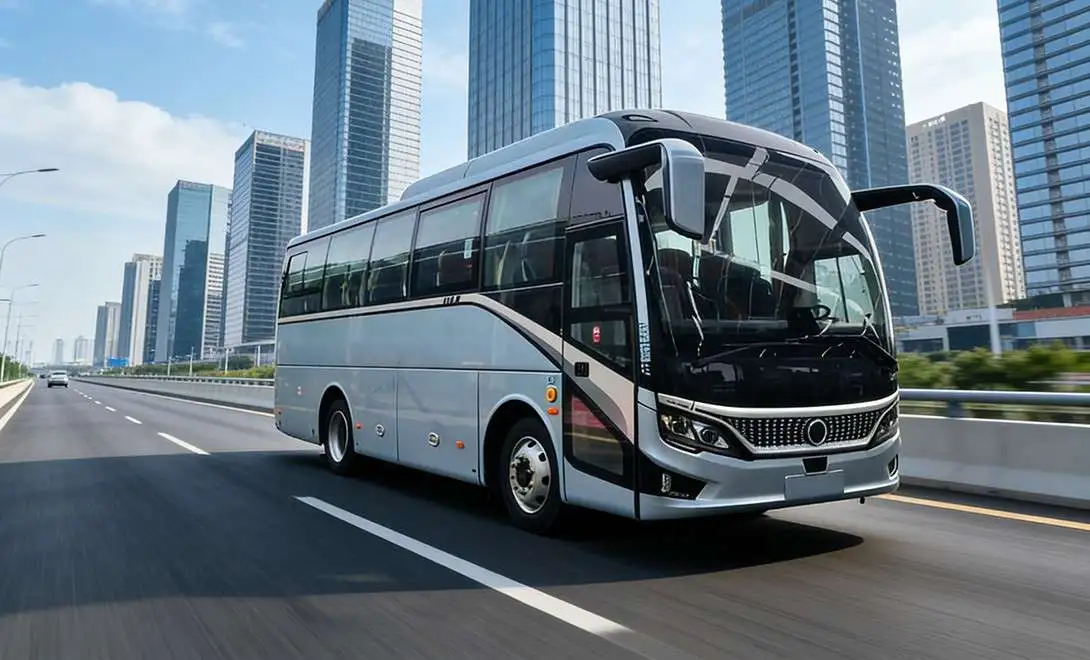
When it comes to getting around cities, the 8m Electric Bus is a great option because it can fit as many people as possible while still being easy to move. It's amazing how easily these mid-size transit cars can get through busy terminals and narrow city streets with 30 to 40 people inside.
Advanced Electric Propulsion Technology
Manufacturers of electric buses have changed the way they move by combining high-efficiency motors with complex battery management systems. An 8-meter bus's electric motor usually produces 150–200 kW of power, which allows for smooth acceleration while keeping energy efficiency high across a range of running cycles. Batteries have changed over the years from simple lead-acid systems to more modern lithium iron phosphate designs that can store more than 150 Wh/kg.
Factors Influencing Range Performance
Fleet owners must think about a number of interconnected factors when making their purchases in order to get the best range. The main factor is the battery size. Modern 8-meter electric buses have battery packs that range from 200 to 400 kWh. The daily operating range is greatly affected by the number of passengers, the route's terrain, the weather, and the way people drive.
The weather is one of the most important factors in range improvement. Cold weather can lower the efficiency of batteries by 15 to 25 percent, and extra systems like heating and cooling use more power. Route features, such as the number of stops, changes in slope, and traffic patterns, have a direct effect on how much energy is used during operating cycles.
Debunking the 300 km Range Claim: Feasibility and Challenges
To get a 300 km range, you need to think carefully about real-world working factors instead of idealized lab conditions. Based on figures from the industry, most 8m Electric Bus models have useful ranges of 200 to 250 km when moving in cities.
Real-World Performance Expectations
Even though regenerative braking devices are used, urban transit bikes have to speed up and slow down a lot, which affects their total energy efficiency. Standard city lines with average passenger loads of 60–70% capacity usually use between 1.2 and 1.6 kWh per kilometer. This means that the daily ranges are realistic and meet the needs of most urban routes while still allowing for working freedom.
Infrastructure and Charging Considerations
The charging infrastructure's skills have a big effect on the range performance that can be reached. Fast-charging systems can restore 80% of a battery's power in 30 to 45 minutes, so drivers can charge their phones during breaks or stopovers on the way. Depot charging overnight lets batteries fully recharge while reducing delays to operations.
Smart grid technologies are used in modern charging systems to save energy by scheduling charging for times when power use is lower. This method lowers running costs and makes sure that vehicles keep their full range of capabilities for daily business needs.
Comparative Analysis: 8m Electric Bus vs. Alternatives
When it comes to business vehicles, the 8m Electric Bus is in a unique situation because it has clear benefits over both traditional and alternative propulsion systems.
Electric vs. Diesel Performance Metrics
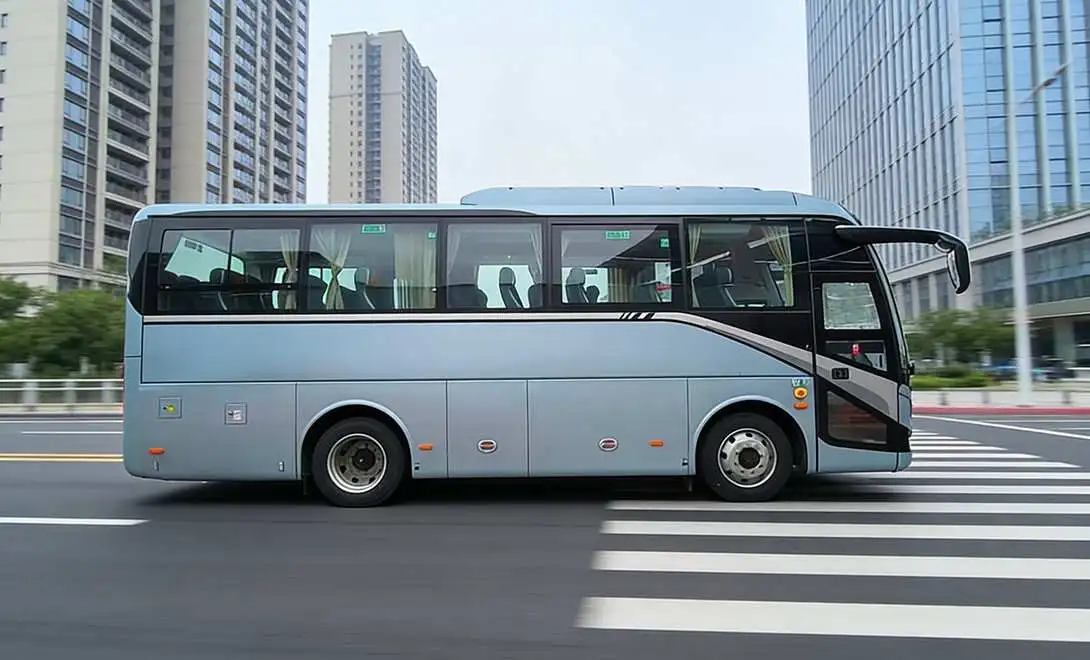
The total cost of ownership for electric buses is lower because they use less fuel, need less upkeep, and have parts that last longer. Diesel buses need to have their oil changed, filters replaced, and exhaust systems maintained on a regular basis, which electric buses don't need at all. Electric power systems have fewer moving parts, which means they wear out less quickly and cost less to maintain.
Another important difference is the amount of operational noise. Electric buses run at much lower decibel levels, which is especially helpful in cities where noise pollution is a problem. As towns make rules about the environment tighter, this advantage becomes more valuable.
Size Optimization Benefits
Compared to bigger 10–12 meter electric buses, 8-meter types are more flexible with routes and can still carry enough people for most urban situations. With a smaller turning radius, you can get into narrow streets and ports that bigger cars can't get through easily. Because operating costs go down as the size of the vehicle does, 8-meter buses are a good choice for lines with average customer demand.
Procurement Insights for 8m Electric Buses
For buying strategies to work, they need to take into account a lot of factors, such as technical standards, costs, and long-term operating needs.
Strategic Procurement Approaches
Agreements to buy in bulk can cut unit costs by a large amount while keeping car specs the same across all fleet operations. For example, many makers let you choose the battery size, the way the inside is set up, and the branding packages that are best for your needs.
Federal, state, and local government reward programs can help a lot with the beginning costs of buying something. The Federal Transit Administration gives funds to encourage the use of electric buses, and many states also offer extra returns and tax breaks. When compared to other options, these financial tools can cut the total cost of buying by 30 to 50 percent.
Quality Assurance and Certification Standards
Besides automotive-specific standards like TS 16949, reputable makers also keep ISO 9001 quality management certifications. These certificates make sure that the quality of the products is always the same, and they give buying teams faith in the reliability of the products. Comprehensive warranty packages usually cover important parts for 5 to 8 years, which protects users from having to pay for upkeep costs they didn't plan.

Real-World Case Studies and Performance Verification
Transit agencies in North America and Europe have gathered a lot of operating data that shows how well the 8m Electric Bus works in a variety of settings.
North American Implementation Examples
Seattle Metro has a fleet of 8-meter electric buses that can travel between 240 and 260 km each day in both city and residential areas. Their operations data shows that they are 95% on time, and their charging infrastructure supports both recharging at the depot and while the trains are traveling.
The Los Angeles County Metropolitan Transportation Authority has put similar cars on roads that are used a lot, and they use an average of 1.3 kWh of energy per kilometer. Their experience shows that they can keep up with changing weather conditions and still keep customer comfort levels high.
European Operational Excellence
European towns were the first to use electric buses, and they have a lot of experience running them in a wide range of climates. The public transit system in Amsterdam uses 8-meter electric buses that can go about 280 km in the best spring and fall weather. During the winter, operations usually give ranges of 220 to 240 km while keeping full passenger service plans.
These examples show that a range of 300 km is still possible under certain conditions, but that realistic operating ranges are a good fit for most urban routes. When making purchases, fleet managers should know what these reasonable performance goals are.
Conclusion
The 8m Electric Bus technology has grown up to the point where it can reach extended ranges of up to 300 km in ideal conditions. However, practical ranges of 200 to 250 km are more than enough for most urban transit needs. Modern battery technology, energy-efficient electric propulsion systems, and advanced energy management tools make daily activities stable and provide big benefits for the economy and the environment. To make a good buying decision, you need to carefully look at things like operational needs, charging infrastructure skills, and the total cost of ownership. Fleet owners can switch to electric power with confidence, knowing that they can keep services reliable and meet their sustainability goals.
FAQ
What is the typical charging time for an 8m electric bus?
Using Level 2 charging methods, standard station charging takes 4 to 6 hours to fully recharge the batteries. Fast charging with DC fast chargers can recover 80% of the battery's capacity in 30 to 45 minutes, allowing charging to happen during breaks in work.
How does cold weather affect electric bus range performance?
Batteries can lose 15 to 25 percent of their power in cold weather, and heater systems use more power. Most operators say that their winter ranges are 20–30% shorter than they would be in the best weather conditions, but this is still within acceptable operating limits.
What maintenance advantages do electric buses offer compared to diesel alternatives?
Electric buses don't need to have their oil changed, filters replaced, exhaust systems maintained, or transmissions serviced. When you use regenerative stopping, the brake parts last a lot longer. When compared to diesel options, overall upkeep costs tend to drop by 40 to 60 percent.
How do government incentives affect electric bus procurement costs?
Acquisition costs can be cut by 30 to 50 percent through federal, state, and local reward programs. The Federal Transit Administration gives funds to help buy electric buses, and many states offer extra returns and tax breaks to transit organizations that use clean energy technologies.
Partner with JCM for Advanced Electric Bus Solutions
JCM specializes in making unique 8m Electric Bus models and full production line solutions that are made to fit the needs of a wide range of markets. Our unified method combines advanced battery technology, effective electric motor systems, and adaptable manufacturing skills to create cars that are best for specific work settings. We offer full technical help, which includes setting up production lines, managing the supply chain for parts, and training programs for local staff.
Our plan for working together across the whole industry chain lets us do quick customization and small-batch production while still upholding strict quality control standards. Get in touch with our purchasing experts at info@jcm-star.com to find out how JCM can be your reliable 8m Electric Bus provider, providing you with new solutions that help you meet your sustainability goals and improve business efficiency.
References
1. International Association of Public Transport. "Electric Bus Technology and Performance Standards." Public Transportation Research Journal, Vol. 45, 2023.
2. American Public Transportation Association. "Electric Bus Range Performance Analysis: Urban Transit Applications." Transit Technology Review, Issue 3, 2023.
3. European Electric Bus Initiative. "Battery Technology Advancement and Range Optimization in Mid-Size Electric Buses." Sustainable Transport Quarterly, Vol. 12, 2023.
4. National Renewable Energy Laboratory. "Electric Bus Performance Evaluation Under Diverse Climate Conditions." Clean Energy Transportation Report, 2023.
5. Global Transit Research Institute. "Total Cost of Ownership Analysis: Electric vs. Conventional Bus Operations." Transportation Economics Review, Vol. 28, 2023.
6. Urban Mobility Research Council. "Charging Infrastructure Requirements for Electric Bus Fleet Operations." Smart City Transportation Journal, Issue 7, 2023.

Based on your vehicle requirements, we will quickly match the most suitable specifications and provide a competitive quote.
_1755581003287.webp)
Global Customized


_1756108840480.webp)
_1755854765757.webp)