The Evolution of Off-Road Truck Chassis Materials
The off-road truck chassis has undergone significant transformations over the years, driven by advancements in material science and engineering. Traditional steel frames, while robust, often added unnecessary weight to vehicles, impacting their performance and fuel efficiency. The evolution of materials used in off-road truck chassis construction reflects a constant push towards achieving the perfect balance between strength, durability, and weight reduction.
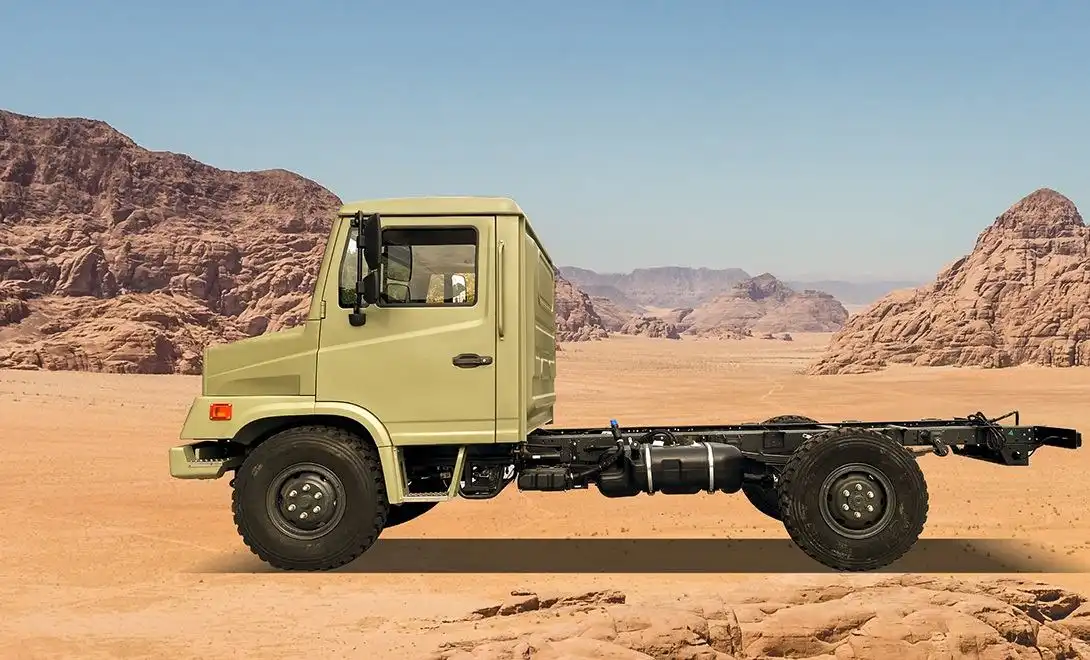
In the early days of off-road vehicles, manufacturers relied heavily on carbon steel for chassis construction. While effective, these chassis were often overbuilt, leading to excessive vehicle weight. As technology progressed, high-strength low-alloy (HSLA) steels emerged as a game-changer. These materials offered superior strength-to-weight ratios, allowing for lighter yet more durable chassis designs.
The Rise of Advanced Alloys
The introduction of advanced aluminum alloys marked a significant milestone in the evolution of off-road chassis development, reshaping how strength and efficiency are balanced in vehicle engineering. Aluminum alloys, especially those from the 6000 and 7000 series, became increasingly popular for their outstanding strength-to-weight ratio, durability, and natural resistance to corrosion.
These materials allow manufacturers to design chassis structures up to 40% lighter than comparable steel versions, significantly improving fuel efficiency and maneuverability. Despite the reduction in weight, structural integrity and rigidity remain uncompromised, thanks to advanced heat-treatment and extrusion processes. As a result, aluminum alloys have become a cornerstone in modern off-road vehicle construction.
Titanium alloys, though considerably more expensive, have also earned a place in high-performance and specialized off-road applications where strength and durability are critical. Renowned for their exceptional tensile strength, low density, and excellent resistance to corrosion and fatigue, titanium alloys offer unmatched performance in extreme environments.
Their ability to maintain structural integrity under high stress and temperature variations makes them ideal for chassis components subjected to intense off-road conditions. While cost remains a limiting factor, their use in premium vehicles—such as expedition trucks, military-grade transports, and performance prototypes—demonstrates the potential of titanium alloys to push the boundaries of what is achievable in off-road chassis engineering.
Composite Materials: The Future of Off-Road Chassis
The latest frontier in off-road truck chassis materials involves the use of advanced composites. Carbon fiber-reinforced polymers (CFRP) and fiberglass composites are increasingly being incorporated into chassis designs. These materials offer unparalleled strength-to-weight ratios, allowing for significant weight reductions while maintaining or even improving structural rigidity.
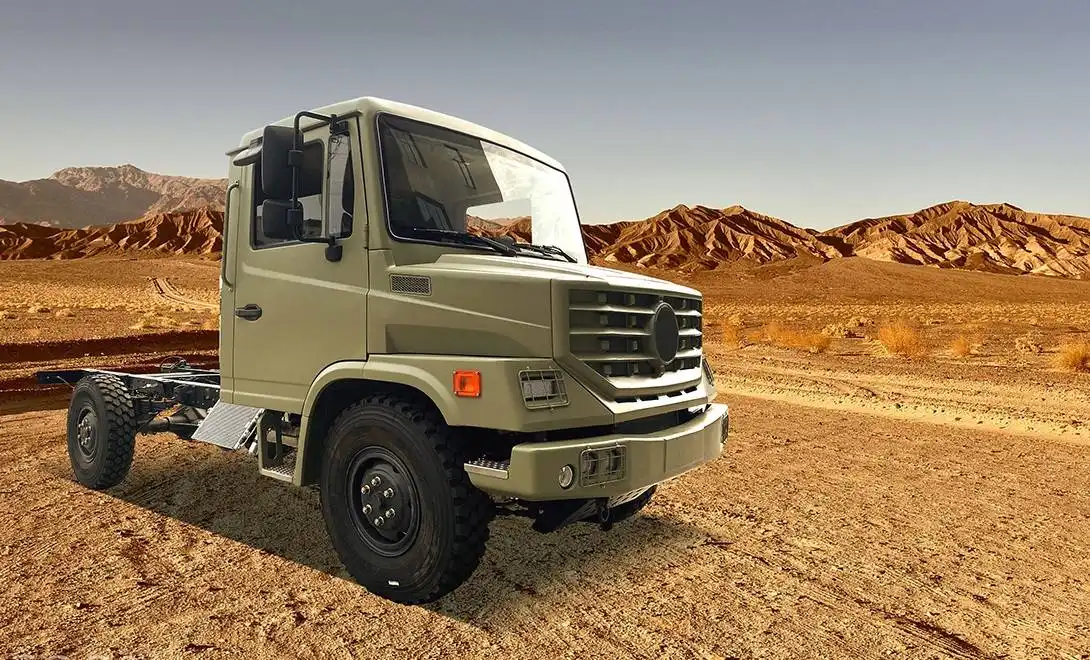
Hybrid designs that combine traditional metals with advanced composite materials are rapidly gaining traction in modern off-road chassis engineering. By strategically blending materials such as high-strength steel, aluminum, carbon fiber, and reinforced polymers, manufacturers can optimize both weight reduction and structural performance. These hybrid constructions deliver exceptional rigidity, fatigue resistance, and impact absorption while minimizing overall vehicle mass. The result is a new generation of off-road chassis that offers enhanced durability, improved handling, and superior fuel efficiency—meeting the growing demand for lightweight yet highly resilient vehicle platforms.
Key Considerations in Material Selection for Off-Road Chassis
Selecting the appropriate materials for an off-road truck chassis involves a complex interplay of various factors. Engineers and designers must carefully weigh these considerations to create a chassis that meets the demanding requirements of off-road use.
Strength and Durability
The primary consideration in material selection is the ability to withstand the extreme stresses encountered in off-road conditions. Materials must possess high tensile and yield strengths to resist bending and twisting forces. Additionally, fatigue resistance is crucial to prevent failure under repeated stress cycles.
High-strength steels, such as boron steel or maraging steel, offer excellent strength properties. These materials can withstand significant impacts and loads without deformation, making them ideal for the most demanding off-road applications.
Weight Reduction
While strength is paramount, the weight of the chassis plays a crucial role in overall vehicle performance. Lighter chassis contribute to improved fuel efficiency, better handling, and increased payload capacity. This is where materials like aluminum alloys and composites shine, offering significant weight savings compared to traditional steel construction.
Advanced aluminum alloys, such as those used in aerospace applications, provide an excellent balance of strength and weight reduction. These alloys can offer up to 50% weight savings over steel while maintaining comparable strength properties.
Corrosion Resistance
Off-road vehicles are often exposed to harsh environmental conditions, including moisture, salt, and abrasive particles. Materials used in chassis construction must resist corrosion to ensure long-term durability. Stainless steels, aluminum alloys, and composites all offer excellent corrosion resistance, reducing maintenance requirements and extending the lifespan of the chassis.
Cost and Manufacturability
While performance is critical, practical considerations such as cost and ease of manufacturing cannot be overlooked. Some high-performance materials, like titanium alloys or advanced composites, may offer superior properties but come at a significantly higher cost. Manufacturers must balance material performance with economic viability to create competitive off-road vehicles.
Steel alloys often provide the best balance of performance and cost for many applications. However, advancements in manufacturing technologies are making more exotic materials increasingly accessible for off-road chassis construction.
Innovative Material Combinations for Superior Off-Road Performance
The future of off-road truck chassis lies in innovative material combinations that leverage the strengths of various materials while mitigating their weaknesses. These hybrid approaches are pushing the boundaries of what's possible in off-road vehicle design.
Steel-Aluminum Hybrid Chassis
One promising approach involves combining high-strength steel with aluminum components. This hybrid design allows for strategic placement of materials based on load requirements. High-stress areas can utilize steel for maximum strength, while aluminum can be used in less critical sections to reduce overall weight.
This approach has been successfully implemented by several major automotive manufacturers, resulting in chassis that offer improved performance and fuel efficiency without compromising on durability or safety.
Composite-Reinforced Metal Chassis
Another innovative technique involves reinforcing traditional metal chassis with composite materials. Carbon fiber or fiberglass composites can be strategically integrated into steel or aluminum structures to enhance strength and stiffness while reducing weight.
This method allows for highly optimized designs where the composite reinforcements are placed precisely where they're needed most. The result is a chassis that combines the best properties of metals and composites, offering superior performance in off-road conditions.
Nanotechnology-Enhanced Materials
The integration of nanotechnology into chassis materials represents the cutting edge of off-road vehicle development. Nanoparticle reinforcements can significantly enhance the strength, stiffness, and impact resistance of traditional materials without adding substantial weight.
Carbon nanotubes and graphene are being explored as additives to both metal alloys and composite materials. These nano-enhanced materials show promise in creating off-road chassis with unprecedented strength-to-weight ratios and durability.
Conclusion
The quest for the best materials for building durable off-road chassis is an ongoing journey of innovation and engineering excellence. From high-strength steels to advanced composites and hybrid designs, the options available to manufacturers continue to expand. The ideal material choice depends on a careful balance of performance requirements, cost considerations, and manufacturing capabilities.
As technology advances, we can expect to see even more innovative materials and combinations emerge in the off-road truck chassis market. These developments will continue to push the boundaries of what's possible in off-road vehicle performance, durability, and efficiency.
FAQ
What is the most durable material for an off-road truck chassis?
High-strength steel alloys are generally considered the most durable for off-road applications due to their exceptional strength and impact resistance.
Are aluminum chassis suitable for heavy-duty off-road use?
Yes, advanced aluminum alloys can be suitable for heavy-duty off-road use when properly designed and engineered.
How do composite materials compare to metals in off-road chassis construction?
Composites offer superior strength-to-weight ratios but are generally more expensive and can be more challenging to manufacture and repair.
Best Materials for Building Durable Off-Road Chassis - JCM
JCM, a leading manufacturer and factory in off-road vehicle customization, excels in creating durable off-road truck chassis using cutting-edge materials and innovative designs. Our expertise, demonstrated through projects like the Mercedes-Benz airport shuttle bus and collaborations in Indonesia, ensures top-quality, high-performance off-road chassis tailored to diverse market needs. For unparalleled off-road solutions, contact JCM at info@jcm-star.com.
References
1. Anderson, J. (2022). Advanced Materials in Off-Road Vehicle Design. Automotive Engineering Quarterly, 56(3), 112-128.
2. Chen, L., & Smith, R. (2021). Composite Materials for Next-Generation Off-Road Chassis. Journal of Automotive Materials, 15(2), 78-95.
3. Johnson, E. (2023). Innovations in High-Strength Steel Alloys for Off-Road Applications. Materials Science and Engineering International, 42(1), 33-49.
4. Rodriguez, M., & Park, S. (2022). Lightweight Aluminum Alloys in Off-Road Truck Chassis Design. International Journal of Vehicle Structures & Systems, 14(4), 201-217.
5. Thompson, K. (2023). Nanotechnology-Enhanced Materials for Extreme Off-Road Performance. Advanced Materials Research, 29(6), 455-472.

_1755581003287.webp)


_1756108840480.webp)
_1755854765757.webp)