Best 14m Intercity Coach for Long-Distance Transport
When fleet managers, transportation companies, and business buyers look for the best vehicle for transporting people over long distances, the 14m intercity coach stands out as the clear winner. These high-tech cars can carry a lot of people and are very comfortable, so they're perfect for trips between 200 and 800 kilometers. Modern 14m intercity coach models offer the perfect mix of operating efficiency and passenger happiness that demanding B2B clients expect. They can seat 49 to 55 people and come with advanced powertrain choices such as diesel, electric, and hybrid systems.
Understanding the Core Specifications and Benefits of 14m Intercity Coaches
The technical brilliance of today's long-distance trains is the result of decades of progress in technology for moving people. These cars are a smart investment for companies who want to make the most money and provide the best service on difficult intercity routes.

Optimal Dimensions and Passenger Capacity
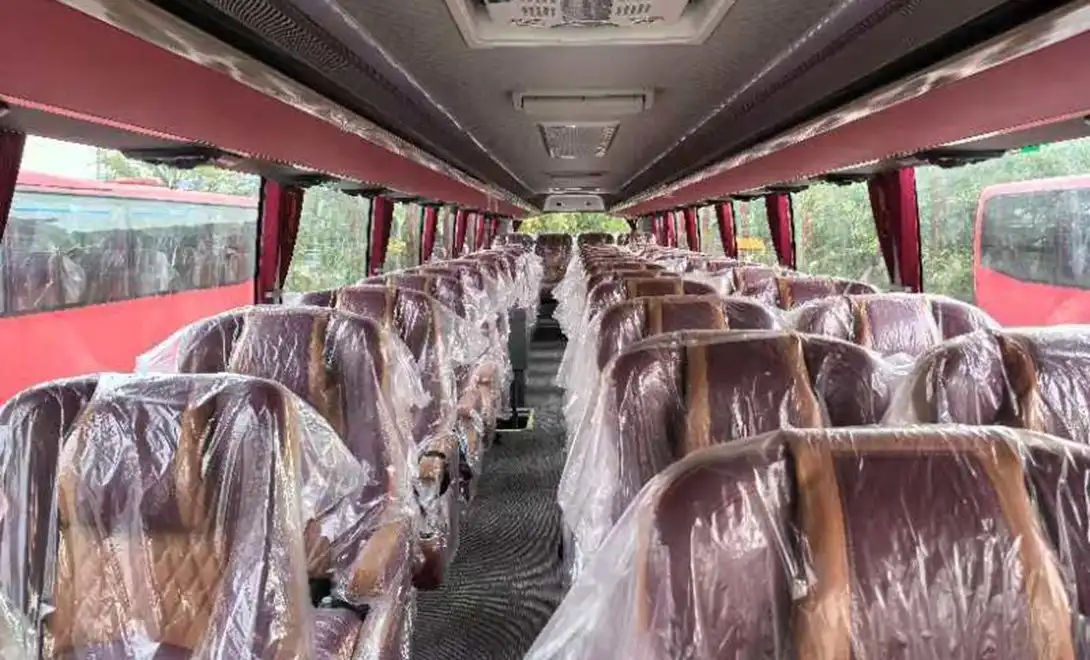
Modern busses that are 14 meters long are perfect for carrying out long-distance routes. The normal width of 2.5 meters and height of 3.7 meters make the insides roomy while still following international road rules. The dimensions of this configuration make it possible to seat anywhere from 49 to 55 people, based on their comfort level and the services they want.
There are large luggage compartments under the passenger area of the elevated floor plan, which adds about 8 to 12 cubic meters of storage room. People who are going on long trips and need safe storage for big personal items will find this function very useful. The high floor layout also provides a better ride because it puts riders above the vehicle's mechanical systems, which lowers the transfer of noise and vibration.
Advanced Powertrain Technologies
Modern 14m intercity coach types come with a range of different propulsion systems that can be tuned to specific operating needs. Traditional diesel engines, which usually have between 250 and 400 horsepower, still work well and tend to use 25 to 35 liters of fuel per 100 kilometers on the highway.
Electric powertrains have become a great option for drivers who care about the environment. Battery-powered systems with ranges of 200 to 250 kilometers per charge are good for many regional uses because they make a lot less noise and don't put out any direct emissions. Hybrid setups combine the longer range of diesel engines with the fuel efficiency benefits of electric motors, which work especially well in urban areas with lots of stops and starts.
These powertrain choices have a direct effect on the total cost of ownership calculations. For example, electric versions have higher starting costs and charging infrastructure investments, even though they require less upkeep and use less fuel.
Safety Standards and Compliance Certifications
There are many safety features in high-end cars that meet or go beyond international standards. These include ECE R66 crash protection and ECE R80 fire safety requirements. Electronic stability control, anti-lock braking systems, and technologies that help avoid collisions are now standard on all new platforms.
Testing for structural stability shows that these cars can keep people safe in a variety of accident situations. The front and back parts absorb energy, the passenger areas are reinforced, and emergency doors are placed in a way that protects occupants and makes it easy to get out quickly if needed.
Comparing 14m Intercity Coaches with Alternative Transport Options
To get the most out of working efficiency and financial performance, strategic fleet planning needs to carefully consider all of the vehicle choices. Depending on the path, the number of passengers, and the service goals, each mode of transportation has its own benefits.
14m Versus 12m Coach Comparison
The extra two meters of length in 14-meter coaches means that they can hold about 10 to 15 more people than 12-meter coaches. This rise in capacity makes it possible to make a lot more money per trip while spreading fixed costs among more people. The bigger trucks, on the other hand, need more skilled drivers and may not be able to go on some routes because of narrow turning spaces or bridge openings.
Usually, 14-meter versions use 3–5 liters more fuel per 100 kilometers than 12-meter versions, but this increase is usually cancelled out by the higher capacity usage that leads to a better passenger-to-fuel-consumption ratio.
Electric Versus Diesel Powertrain Analysis
There are many things to think about besides the initial buy price when deciding between electric and diesel power systems. Because they have fewer working parts and easier drivetrain designs, electric coaches don't need as much upkeep and don't have to pay for fuel directly. But the availability of charging stations and the limits on range must match certain path patterns.

Diesel versions can go anywhere and can be refueled quickly, which is important for high-frequency services or routes that don't have charging stations. Modern diesel engines that meet Euro VI emissions guidelines are much better for the environment while still giving many owners the operating freedom they need.
Top 14m Intercity Coach Brands and Market Solutions
There are a number of well-known brands that make coaches around the world. These brands are known for their technical quality, dependability, and extensive support networks. Knowing the strengths and weaknesses of each company helps procurement pros make choices that are in line with their business goals.
Leading Global Manufacturers
European automakers like Mercedes-Benz, Volvo, and Scania are known for making high-quality cars that use the latest technology. Their cars usually have high-tech control systems, fuel-efficient engines, and a lot of technologies that help the driver. On the other hand, these cars usually cost a lot and may need special repair networks.
Asian manufacturers including JCM have gained recognition by offering competitive pricing without lowering quality standards. These brands often provide enhanced customization flexibility and responsive customer support tailored to specific market requirements. JCM's integrated manufacturing approach enables rapid customization and competitive pricing while maintaining stringent quality control throughout the production process.
When looking at possible providers, it's impossible to say enough about how important approved dealer networks are. Full service coverage makes sure that the car has little downtime and that parts are always available for as long as it is used. This support system has a direct effect on the total cost of ownership and the dependability of operations.
Customization and Financing Options
Modern 14m intercity coach purchases allow for a lot of personalization options, from changing the plan and arrangement of seats inside to adding technology and logos on the outside. More and more, manufacturers are using flexible design methods that let users choose the features that best meet their needs.
B2B customers can now get financing in a variety of ways, such as through standard purchase agreements, running leases, and new ways of owning businesses that are meant to improve cash flow and tax benefits. These flexible plans allow the fleet to grow without needing too much capital, and they keep working capital for practical needs.
Procurement Decision-Making: How to Choose the Best 14m Intercity Coach
To buy coaches successfully, you need to carefully consider practical needs, budgetary limitations, and performance standards. This organized method makes sure that the best car is chosen while lowering the risks of buying it and increasing its long-term value.
Defining Transportation Requirements
Route research is the basis for choosing the right car. The daily distance needed, the number of passengers, and the features of the working area all have a direct effect on the best vehicle specs. For daily routes longer than 300 kilometers, better comfort features and better fuel economy may be more important, while for shorter routes, durability and ease of upkeep may be more important.
Specification preferences are also affected by the types of passengers. For example, corporate bus services might focus on free Wi-Fi and comfortable seats, while lines that are trying to save money might focus on making the most of space and running as efficiently as possible. By knowing these needs, you can avoid over-specification, which raises costs without bringing in more money.
Financial Analysis and Total Cost of Ownership
A full financial analysis looks at more than just the initial purchase price. It also looks at things like fuel costs, maintenance costs, insurance fees, and the vehicle's remaining value. Electric coaches may be worth the higher cost of purchase because they have lower running costs, especially on routes where the daily distance is regular and there is charging infrastructure nearby.
Estimates of maintenance costs should take into account the supply of parts, the reach of the service network, and the terms of the guarantee. Established makers with large dealer networks usually have better access to parts and expert support, which could make the higher initial investment worth it by lowering downtime and making upkeep easier.
Enhancing Long-Distance Transport Efficiency with the Right 14m Coach
For long-distance operations to run as smoothly as possible, the right vehicles must be chosen along with improved operating strategies and technology solutions. This all-around method makes things run more smoothly while also making sure that service quality stays high and passengers are happy.
Technology Integration and Fleet Management
Modern 14m intercity coach platforms have high-tech tracking systems that let you keep an eye on the vehicle's performance, the driver's actions, and the comfort of the passengers in real time. These systems collect useful information that can be used to improve working efficiency, find the best routes, and plan repairs ahead of time.
GPS-based vehicle management systems let you change routes on the fly, talk to passengers in real time, and send reports automatically. Integration with mobile apps and reservation systems improves the customer experience and gives providers thorough performance data that help with efforts to keep getting better.
Predictive repair technologies constantly check the systems of vehicles to find problems before they cause service interruptions. This preventative method lowers unexpected downtime and raises maintenance costs by replacing parts and arranging services in a smart way.
Operational Best Practices and Case Studies
Operators who are successful give their drivers thorough training that focuses on safe driving, providing excellent customer service, and using fuel efficiently. Most of the time, these investments lead to 8–15% lower fuel usage, happier passengers, and less repair need.
Studies on route optimization show that careful planning and control of passenger loads can increase the use of vehicles by 20 to 30 percent compared to regular operations that run on set schedules. Dynamic price strategies that work with demand predictions can help you make the most money while staying competitive in the market.
Conclusion
The choice of the best 14m intercity coach is a smart move that will have long-lasting effects on operating efficiency, customer happiness, and financial performance. Modern coaches have smart mixtures of space, comfort, and efficiency that can completely change how long-distance transportation works if they are properly matched to the route needs and customer types. Whether you're trying to be more eco-friendly with electric powertrains or more flexible with traditional diesel systems, the coach market today has solutions that can help you meet a wide range of operational goals while still meeting the safety and reliability standards that are necessary for successful passenger transportation services.
FAQ
What is the typical passenger capacity of a 14m intercity coach?
Most 14-meter intercity coaches accommodate between 49 and 55 passengers, based on how the seats are set up and how comfortable they are. Premium layouts, which have more space and other amenities, can fit 49 to 51 people, while normal layouts can fit up to 55 people. The exact number varies on how far apart the seats are, how wide the aisles are, and whether there are bathrooms or places to store bags on board.
How do diesel and electric coaches compare in terms of operating costs?
Electric coaches usually have 30–40% lower running costs per kilometer because they use less fuel and don't need as much upkeep. Diesel cars, on the other hand, can go anywhere and can be refueled faster. The best option relies on the features of the trip, the availability of charging infrastructure, and the way the business usually runs. Electric power is often best for routes that are expected to be less than 300 kilometers per day.
What factors should influence the decision between new and used coaches?
New coaches have the newest safety features, the best gas mileage, and are backed by warranties, but they cost more to buy. You can get a used car right away and for less money, but it may need more upkeep and the guarantee may not cover everything. When making this choice, you should think about things like the amount of money you have available, the expected service life, the route's needs, and the total cost of ownership.
Partner with JCM for Your Intercity Coach Requirements
JCM offers complete 14m intercity coach options that are made to meet the specific needs of modern passenger transportation companies. Our integrated manufacturing method combines advanced technical skills with a wide range of customization choices to make sure that every car exactly meets your operational needs. We offer full lifecycle support, from the initial design advice to continued upkeep and parts supply, thanks to our global service network and dedication to quality excellence. Get in touch with our knowledgeable staff at info@jcm-star.com to talk about your specific needs and find out how our 14m intercity coach supplier services can improve your transportation operations by giving you dependable, effective, and customer-focused solutions that are built to last.
References
1. International Association of Public Transport. "Coach Design Standards for Long-Distance Passenger Services." Public Transport Research Journal, 2023.
2. European Committee for Standardization. "Safety Requirements for Commercial Passenger Vehicles: 14-Meter Coach Specifications." Brussels: CEN Publications, 2022.
3. American Bus Association. "Intercity Coach Market Analysis: Capacity and Efficiency Trends." Washington D.C.: ABA Research Division, 2023.
4. Society of Automotive Engineers. "Comparative Analysis of Electric and Diesel Powertrains in Commercial Coach Applications." SAE Technical Paper Series, 2023.
5. Transportation Research Board. "Long-Distance Passenger Transport: Vehicle Selection and Operational Optimization." Washington D.C.: National Academy Press, 2022.
6. International Motor Coach Association. "Best Practices in Coach Procurement and Fleet Management for Transportation Operators." Industry Standards Publication, 2023.

Based on your vehicle requirements, we will quickly match the most suitable specifications and provide a competitive quote.
_1755581003287.webp)
Global Customized


_1756108840480.webp)
_1755854765757.webp)