Benefits of Utility Truck Chassis for Emergency Services
The base is more important than most people think when rescue services have to do dangerous jobs. A utility truck frame is the main structure that makes it possible for ambulances, fire trucks, and rescue vehicles to work effectively in very tough conditions. The frame of this special chassis platform is strengthened, it can carry more weight, and it has modular mounting systems that are made to fit emergency tools. Unlike regular business frames, emergency Utility Truck Chassis go through a lot of stress tests and have parts that are made to handle constant vibration, fast acceleration, and harsh weather exposure. Picking the right chassis has a big effect on response times, running costs, and the life of the fleet, so it's not just a matter of buying something.
Understanding Utility Truck Chassis in Emergency Services
Emergency service cars work in settings that are very different from those used in businesses. They want chassis systems that take strict safety rules into account and strike a mix between power, durability, and adaptability.
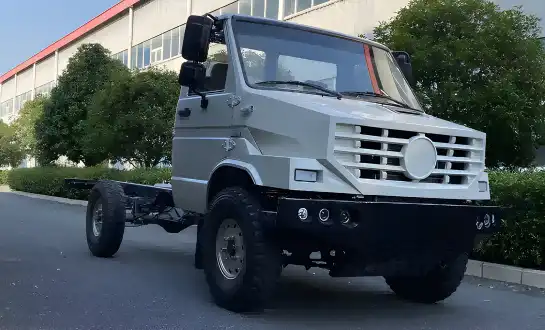
What Differentiates Utility Truck Chassis From Standard Platforms
Emergency utility trucks use cross-member spacing and frame rail reinforcement methods that are best for fitting specialized equipment like medical systems, hydraulic lifts, or generators. Standard truck frames are usually made of lighter-gauge steel and have general mounting patterns that don't work well with emergency equipment vibrations.
Flatbed chassis value open cargo room over built-in equipment mounting, and they don't have the structural stability needed for power systems or communication grids. Emergency-specific frames have mounting points that are already set up at the factory, more electrical power, and suspension geometry that is adjusted for safe handling under uneven loads when equipment launches in the middle of an operation.
Chassis Configuration Considerations
Cab-over designs make the most of the room in the back for equipment, which is important in cities where getting around accident scenes is easy. Because they have a short wheelbase, they can turn 20–30% more easily than regular configurations, which lets them get through tight neighborhood streets. Conventional chassis are easier to repair because the engine is closer to the frame and the weight of heavy rescue equipment placed in the back is spread out better. The decision relies on the operating area. For example, urban fire departments often choose cab-over-agile setups, while country services choose standard arrangements for highway stability during long-distance medical trips.
Weight Capacity and Dimensional Factors
For emergency services, a chassis that can hold between 14,000 and 33,000 pounds of Gross Vehicle Weight Rating (GVWR) is usually needed. This is so that equipment sets can be put together, ranging from simple medical kits to full hydraulic rescue systems. The frame's measurements must match the equipment maker's instructions. For example, a normal ambulance module needs 10 to 12 feet of clear chassis room behind the cab, and the rails must be 34 inches wide. To avoid having to make expensive changes during integration, procurement managers need to check with equipment makers early on in the design development process to make sure that the wheelbase will work with the new equipment.
Core Benefits of Utility Truck Chassis for Emergency Services
When you buy purpose-built chassis platforms, you get measurable benefits that show up in working efficiency and cost savings over the lifecycle of the car.
Enhanced Durability for Extreme Operating Conditions
Conditions for emergency cars are like those that would damage commercial trucks: they have to idle all the time while working at the scene of an accident, start up quickly after stopping, and be vibrated all the time while using equipment. Custom-built emergency chassis have frames made of heat-treated metal steel that can withstand more than 110,000 PSI of force, while normal commercial chassis can only handle 80,000 PSI. Electrophoretic methods are used to apply corrosion-resistant coatings that protect against road salt contact during winter operations. This has been shown to increase frame life from the usual 8-year rounds to 12–15 years in documented fleet studies. When cars drive through debris fields or unpaved areas during crisis reaction, the reinforced suspension mounting points can handle repeated shock loads.
Superior Load Capacity and Equipment Integration
Today's emergency actions need a lot more electrical power than standard car systems can provide. The emergency Utility Truck Chassis has two alternators that can produce 400 amps or more, which is needed to power thermal image cameras, hydraulic pumps, and transmission repeaters all at the same time. When compared to field-drilling standard chassis, frame rails have fastening bosses that are already tapped and set at standard intervals. This cuts integration time by 40%. Body builders say they can install vehicles more quickly and efficiently when they use frames that are made for emergency use. This means that the fleet can be put to use faster and less money is wasted on upfront costs during the vehicle building phases.
Flexible Performance Across Diverse Scenarios
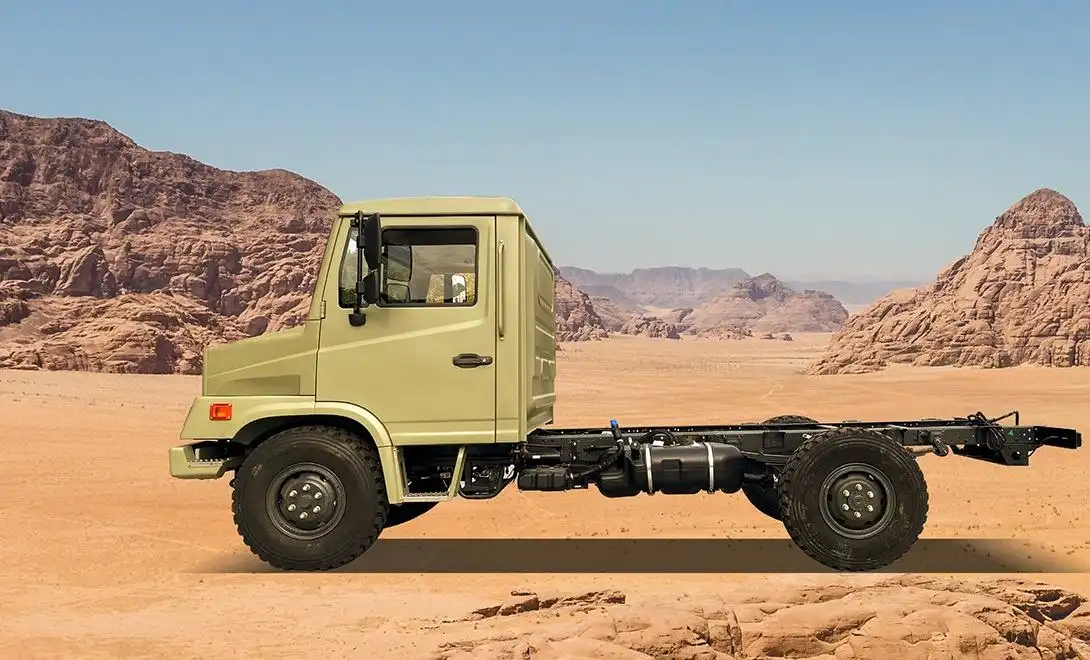
Emergency services work in a wide range of environments, from crowded cities to remote mountain areas. Selectable power takeoff (PTO) choices on chassis platforms let tools run without stopping the main engine. This saves up to 60% of fuel during long scene operations. Different types of transmissions, from automated manuals to heavy-duty automatics, give drivers the control they need during critical response driving while also keeping them from getting too tired during 24-hour shift changes. When answering empty at highway speeds or coming back fully loaded from supply runs, adjustable suspension systems keep the handling stable.
Fuel Efficiency and Total Cost Ownership
Modern diesel and compressed natural gas (CNG) engine choices get 25–35 percent better gas mileage than older gasoline engines. They also meet EPA emissions guidelines without the problems that early clean diesel designs had with their aftertreatment systems. Downsized turbocharged engines keep their power output while lowering their displacement. This means they use less fuel when they're not running or when they're going slowly. A study of purchases made by city fleets shows that chassis that are properly specified cut yearly maintenance costs by 18 to 22 percent. This is because they have standardized parts sources and longer service intervals than fleets that aren't properly specified.
Safety and Compliance Features
A study on transportation safety found that emergency cars with anti-lock braking systems (ABS) and electronic stability control (ESC) have 35% fewer accidents. These systems make up for shifting weights during emergency movements, which can happen when heavy equipment makes it hard to control. Roll stability control checks how fast the vehicle is moving side to side and changes how much each wheel brakes to keep it from rolling over while defensive actions are being taken. Following the rules set by the National Fire Protection Association and the Federal Motor Vehicle Safety Standards keeps companies from being sued and makes sure that workers are safe during dangerous operations.
How to Choose the Best Utility Truck Chassis for Emergency Services
Comparing specs sheets alone is not enough for strategic chassis selection. You need to do a thorough review that is in line with operational facts.
Analyzing Operational Parameters
Payload needs should take into account how much equipment grows over the life of the car. Within three years of operation, many departments add 500 to 800 pounds of technology and safety gear. When responding to an emergency, the engine needs to be able to accelerate quickly while also having enough torque to run other equipment. If the engine doesn't have enough power starting capacity, it has to idle all the time, which wears it out. It is important to try a vehicle's maneuverability on real routes in real-life situations, since published turning radius specs don't always take into account how equipment overhang affects the vehicle's useful length.
Comparing Leading Global Chassis Brands
Ford's F-Series Super Duty chassis rules the emergency vehicle market in North America. Its large dealer networks make parts easy to find quickly, which is especially important for services in rural areas that are far from specialized commercial truck facilities. These systems come with both gasoline and diesel choices, as well as built-in telematics to help with fleet management goals.
The Isuzu N-Series chassis gets great gas mileage in the medium-duty market, and its diesel powertrains have been tested on more than 30 million units around the world. However, most of the company's dealers are still located in coastal urban areas. Freightliner Custom Chassis specializes in custom-built emergency platforms with emergency equipment prep kits that are put at the factory. This makes integration easier but costs more. When it comes to purchase cost, lifetime costs, and customization options, each brand has its own pros and cons.
Procurement Approaches and Purchasing Models
Direct connections with manufacturers allow for bulk discounts and customizing specifications, but they need to be managed by technical experts in-house from the time of purchase to delivery. Authorized dealers offer complete options with local service support, which is helpful for areas that don't have their own fleet tech staff. Leasing saves money on capital budgets and makes sure that fleets are regularly replaced, but over a normal 7-year term, total payments are 15-20% higher than the cost of buying the vehicles directly. Through state joint buying contracts, bulk procurement programs get competitive prices and make administrative tasks easier for smaller departments that don't have their own procurement experts, especially when sourcing items like Utility Truck Chassis.

Maintenance and Performance Optimization Tips for Emergency Utility Truck Chassis
When every unit counts in a critical response scenario, preventative repair practices have a direct effect on how many vehicles are available.
Routine Maintenance Best Practices
Scheduled inspections should happen at least once every manufacturer's recommended interval. However, many emergency services do visual checks every 30 days, regardless of miles, because technical breakdowns in emergencies can have very serious consequences.Component replacement should plan ahead for wear instead of reacting to it. For example, suspension joints need to be replaced every 60,000 miles in emergency service but every 100,000 miles in business use because they are exposed to vibrations.Chassis weight monitoring through annual scale certifications stops overloading situations that speed up frame fatigue and brake system wear, problems that aren't always obvious until they break down completely.
Enhancing Operational Efficiency
By doing things like gradually speeding up and limiting unnecessary idling during non-emergency operations, fuel-saving driving practices cut fuel use by 12 to 15 percent across emergency trucks. Engine tuning services change the fuel maps and shift points in the transmission so that they work with the vehicle's real duty cycles instead of the factory's default settings. This is especially helpful after making changes to the vehicle's equipment that change how the weight is distributed. Safety system changes make sure that electronic control units have the most up-to-date software versions that fix known problems. This keeps the system from turning off by accident during important operations.
Customization and Upgrade Considerations
Installing an auxiliary power unit stops the main engine from running during long scene operations. This cuts engine hours by 40% per year in recorded cases. Careful study of the electrical system is needed to make sure that integrating communication devices doesn't cause power drop problems that stop emergency lights and medical equipment from working. Customization must respect the structural integrity of the chassis; drilling or welding on the frame without permission cancels guarantees and creates stress points that cause cracks to form too soon. Including chassis makers in the development of specifications makes sure that changes are made in a way that meets engineering standards and keeps structure certifications.
Case Studies and Real-World Applications
Performance data from a variety of emergency services shows that organizations can see real benefits when they put quality of the chassis first when they buy it.
Electrical Utility Emergency Response
A regional power company that works in hilly areas replaced old utility trucks with custom-built chassis that have better suspension systems and PTO-driven tools. Response times went down by 18% because off-road access to remote assets got better, which is a measurable improvement in operational performance. Metrics for reliability showed that 94% of the fleet was available, compared to 78% with the previous cars. This directly relates to faster service return during storms. Procurement managers said that the original 12% higher costs of acquisition were paid for in 3.5 years by fewer breakdowns on the road and lower upkeep costs.
Municipal Fire Department Fleet Modernization
A medium-sized fire department put all 24 of their vehicles on the same chassis base. This let the workers become very good at certain systems. User comments showed that better ergonomics made driving less tiring and improved handle stability during emergency response driving. Measurable ROI was seen in the form of 23% lower parts stocking costs due to common components and lower training costs for repair staff. Over the course of three years, the fleet had 15% fewer hours of being out of service than it did with the old mixed-specification method.
Conclusion
Choosing the right Utility Truck Chassis for emergency services is important for more than just saving money on the purchase price. It's also important for how well the truck works in the long run. Purpose-built chassis platforms offer real benefits by making things last longer, integrating equipment better, and lowering costs over their entire lifecycle. Strategic choices about buying things make sure that technology requirements are balanced with practical realities. This keeps emergency teams ready for when communities need quick action. Companies that put quality in their chassis invest in dependability, which directly protects lives and property during critical events.
FAQ
What distinguishes utility truck chassis from service truck chassis?
With strengthened frames and pre-engineered mounting systems, Utility Truck Chassis focus on integrating equipment, while service truck chassis focus on cargo body designs. Utility platforms handle complicated electrical systems and extra power needs that are necessary for emergency operations, while service frames are more focused on storing tools and moving basic equipment.
How do I determine appropriate payload capacity for emergency applications?
Figure out how much the current equipment weighs and add 25% in case more is added in the future. Gross estimates should include the weight of people, fuel, and supplies. Check that the chassis's GVWR is greater than its total loaded weight by at least 10%. This will ensure safe operation without constant maximum loading, which speeds up wear.
Do customization options affect warranty coverage?
When done by experienced body builders following the manufacturer's instructions, factory-authorized changes protect warranties. If you change the frame or the electrical system without permission, the structural and engine warranties will no longer be valid. As the specifications are being made, work with chassis makers to make a list of acceptable ways to customize the vehicle while still protecting the warranty.
Partner with JCM for Custom Utility Truck Chassis Solutions
JCM is an expert at designing unique chassis platforms that meet the exact needs of emergency services around the world. Our integrated supply chain across the entire industry allows for quick customization from the initial design stage through production and deployment. This is made possible by R&D centers that are carefully placed to meet the needs of a wide range of regions. As a company that makes Utility Truck Chassis, we offer OEM and ODM services that use cutting-edge materials, flexible equipment mounting systems, and safety certifications that meet international standards.
Whether you're buying a prototype, a small batch, or a whole fleet, our expert team can help you with everything from writing the specifications to planning the care that will be needed over the product's life. Get in touch with our experts at info@jcm-star.com to talk about how our flexible manufacturing approach and tried-and-true chassis technologies can help your emergency reaction while lowering your total cost of ownership.
References
1. National Fire Protection Association, "NFPA 1901: Standard for Automotive Fire Apparatus," 2021 Edition, National Fire Protection Association Standards Council.
2. Society of Automotive Engineers, "SAE J2228: Emergency Vehicle Siren Systems Testing and Performance Standards," SAE International Ground Vehicle Standards.
3. Federal Emergency Management Agency, "Emergency Vehicle Acquisition and Specification Guide for Emergency Services," U.S. Department of Homeland Security Publication Series.
4. International Association of Fire Chiefs, "Guide to Emergency Vehicle Fleet Management and Lifecycle Cost Analysis," IAFC Professional Development Resources.
5. American Public Works Association, "Fleet Management Standards for Emergency Response Vehicles," APWA Technical Services Department Publications.
6. Transportation Research Board, "Chassis Design and Safety Systems for Emergency Response Vehicles," National Academies of Sciences Special Report 340.

Based on your vehicle requirements, we will quickly match the most suitable specifications and provide a competitive quote.
_1755581003287.webp)
Global Customized


_1756108840480.webp)
_1755854765757.webp)