Benefits of a 2+2 Layout in Commercial Passenger Buses
The 2+2 Layout Coaster Bus configuration is a big step forward in business passenger transportation. It strikes the perfect mix between comfort for passengers and speed for operations. With two seats on each side of the aisle, this seating layout makes the cabins very roomy, able to fit 20 to 30 people while still keeping high comfort standards. Commercial fleet owners in a wide range of industries have adopted this design because it is flexible, saves money, and makes passengers happier. The smart placement of seats makes the most of the room available while still making it easy to get on and off the vehicle and move around inside it. This makes it a great choice for a wide range of transportation needs.
Understanding the 2+2 Layout in Commercial Buses
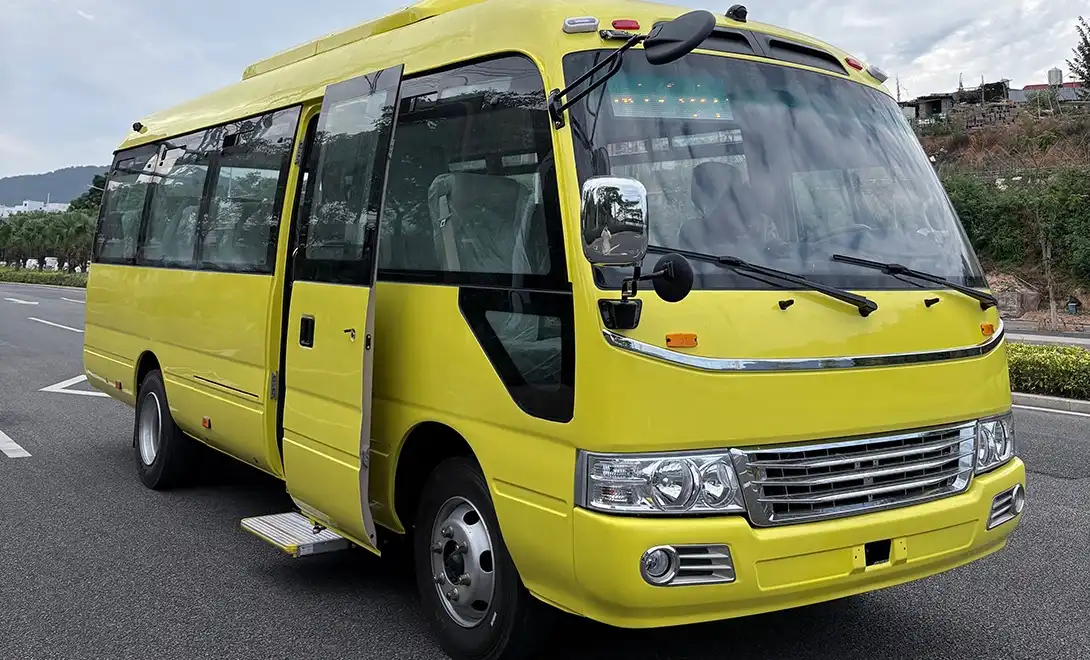
Evolution of Modern Bus Interior Design
Over the past few decades, business bus cabins have changed a lot, going from being crowded to being designed to be more comfortable for passengers. Manufacturers came up with the 2+2 seating setup because they knew they needed to find a mix between comfort and passenger capacity. This design theory puts the experience of passengers first while still allowing fleet owners to run their businesses.
In the past, bus design often traded comfort for space, which made passengers unhappy and lowered the level of service. The 2+2 arrangement handles these issues by giving each person enough area, better legroom, and easier access. Manufacturers have been able to improve this plan using modern engineering methods that don't hurt safety or structural stability.
Technical Specifications and Dimensions
These commercial buses have 2+2 plans and are usually between 7 and 9 meters long, with 2.2 to 2.4 meters of width inside. This three-dimensional framework lets you set up seats so that they are comfy and still makes it easy to get to the aisles. The standard seat pitch is between 750 mm and 850 mm, which gives you a lot of headroom compared to other options.
The technical design includes floor structures that are strengthened to support weight loads that are spread out well. Modern suspension systems work with the plan to make sure a smooth ride, which is especially important when comfort is a top concern for the passengers. Engineering specs also take into account the need to evacuate in case of an emergency, and the width of the aisles must meet international safety standards.
Industry Applications and Market Segments
Because 2+2 seating arrangements are so flexible, they can be used in a wide range of business settings. Tour companies often choose this plan for sightseeing trips, since the comfort of the passengers has a direct effect on customer happiness and repeat business. Corporate shuttle services gain from looking efficient and being comfortable, which helps people get work done on their way to and from work.
Educational schools use these buses to carry students, especially on longer routes where comfort is important. This is how airport taxi services set up their vehicles so that they can give their customers better experiences that set them apart. Medical transportation services also use the roomy design to meet the unique needs of transporting patients.
Key Benefits of 2+2 Seating Arrangement for Commercial Use
Enhanced Passenger Comfort and Experience
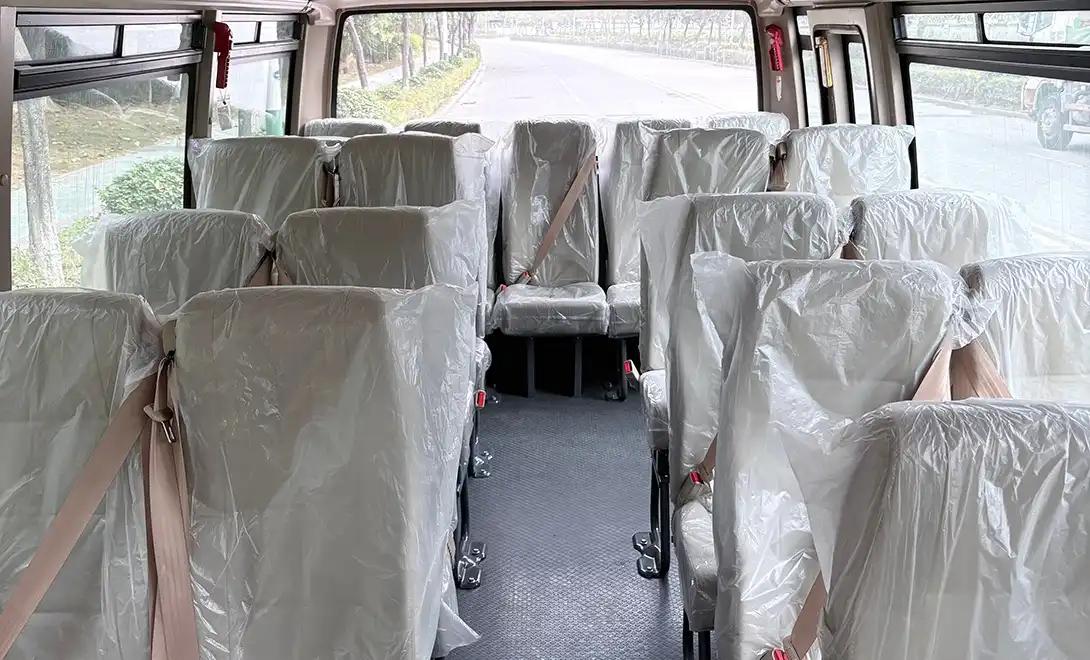
One of the best things about 2+2 seats is that it is more comfortable than other floor plans. Each individual has their own seat, more personal space, and clear views from windows that have been placed in a smart way. The fewer seats together make the environment more relaxed, which is especially helpful for longer trips.
This arrangement makes it easier to create seats that are more comfortable for people with back problems because companies can use better materials and construction without having to pay too much. When space is limited, there is more room for individual temperature control, charge ports, and entertainment systems to work together better. Passenger surveys regularly show that 2+2 plans are more popular with passengers than denser layouts.
Operational Efficiency and Cost Benefits
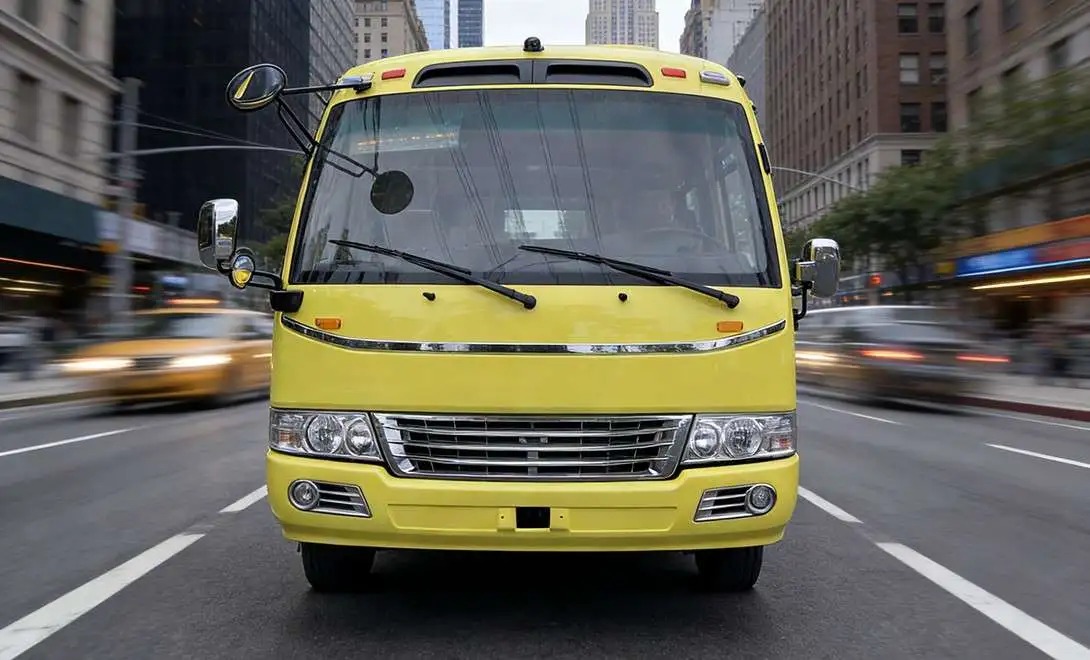
Fleet managers have found that 2+2 Layout Coaster Bus designs help them get better gas mileage by distributing weight more evenly and making the buses more efficient. A fair passenger load lowers the mechanical stress on car parts, which means that they don't need to be fixed as often and costs are lower. Insurance companies often give better rates to buses that have more safety features, which this plan makes possible.
When configurations are 2+2, drivers are happier because they can better handle passengers and wait times are cut down. The roomy internal design keeps people from crowding together during stops, which makes route planning more efficient. The cost savings from these operational changes can be seen over the life of the car.
Customization Opportunities and Flexibility
The large amount of room in 2+2 plans makes it possible to make many changes that meet the needs of different markets. High-end transportation services can include high-end materials, cutting-edge lighting systems, and high-tech leisure systems. Corporate clients like the professional look, branding furnishings, and seating setups that are ready for meetings.
Accessibility features for wheelchairs work perfectly with 2+2 designs, so workers can serve a wide range of passengers without reducing total capacity. With modular seating systems, vehicles can be quickly set up for different types of service, making the most of their use in a variety of situations.
How the 2+2 Layout Supports Business Goals in B2B Procurement?
Return on Investment Analysis
Comprehensive lifetime cost analysis helps procurement professionals who are looking at 2+2 Layout Coaster Bus choices find strong financial benefits. Initial purchase prices are balanced out by lower upkeep costs, better gas mileage, and higher resale values. According to figures from the industry, well-kept 2+2 layout buses are worth about 15% more after five years than normal designs.
By making the user experience better, service providers can get more loyal customers and charge higher prices. Corporate clients are willing to pay more for comfortable transportation, which helps fleet owners make more money per mile. When these things come together, they make good return on investment situations for smart buyers.
Risk Mitigation and Reliability Factors
Quality 2+2 layout buses make operating risks lower, which is something that professional buying teams like. Manufacturers that have been around for a while offer full warranties, extra service support, and an easy-to-find collection of spare parts. The easier repair needs lower the risk of downtime and raise the rate of fleet availability.
Quality certifications, such as ISO standards and compliance with car industry standards, make sure that these vehicles meet strict performance standards. Safety systems, emissions compliance, and durability standards are all checked by a third party to make sure they meet the standards. This protects purchase investments and limits liability risk.
Supplier Partnership Benefits
Leading makers offer flexible financing options, rental programs, and vehicle management services that help buyers reach their goals. For large-scale deployments, volume buying deals save money, and customization services make sure that vehicles meet specific operating needs. As part of technical support programs, drivers are trained, repair advice is given, and operating consulting services is provided.
Selecting the Right 2+2 Layout Coaster Bus for Your Business
Performance Evaluation Criteria
To choose the right vehicle, you need to carefully look at performance measures that match the needs of the business. Engine specs, gearbox choices, and scores for fuel economy give buyers precise information they can use to make decisions about what to buy. Safety features like electronic stability control, improved stopping systems, and technologies that help avoid collisions are very important when judging a car.
The quality of the interior is judged by the materials used for the seats, how long they last, and how well they are designed for comfort. How well technology is integrated affects how well it works with fleet management systems, passenger information screens, and the need for connection. Ratings for environmental compliance make sure that rules and green goals are met.
Manufacturer Comparison and Due Diligence
Comprehensive maker evaluation methods that look at things like production capacity, quality control systems, and service network coverage are helpful for people who work in procurement. Financial stability checks make sure that items will always be available and that the guarantee will be honored. Customer recommendations give you an idea of how well and how satisfied people really are.
Manufacturing certifications, industry awards, and quality scores from a third party are all objective ways to find out how good a provider is. By visiting production sites in person, you can get a first-hand look at how things are made and how quality control is handled. These due diligence steps lower the risks of buying and make sure that suppliers can be trusted.
Integration and Support Considerations
For fleet integration to go smoothly, training for drivers, repair processes, and changes to how things work must all be carefully planned. Manufacturers that offer full support services help with smooth transfers and fewer problems with application. Technical documents, training tools, and the ability to get ongoing help are all important for success.
Long-term operating continuity is ensured by the supply of parts, the coverage of the service network, and the ability to provide emergency help. Opportunities for standardization across fleet operations cut down on complexity and training needs, while also making things run more smoothly and keeping costs down.
Future Trends and Innovations in 2+2 Layout Commercial Buses
Electrification and Sustainable Technologies
The commercial bus industry is experiencing rapid transformation toward electric and hybrid powertrains that align with environmental regulations and sustainability goals. 2+2 Layout Coaster Bus designs can work with these more modern driving systems while still offering comfort and space benefits. Strategies for putting batteries in vehicles that have roomy interiors work well together to keep passenger space and the vehicle's balance.
Developing charging facilities supports efforts to electrify fleets, and government benefits make it financially appealing for buses to use electric power. Range gains and faster charging speeds ease initial worries about operating limits. Fleet owners say that using electric buses with high-end interiors lowers their running costs and improves how people see them.

Smart Technology Integration
Newer buses have advanced digital systems that are changing how passengers feel and how the buses can be used. 2+2 layouts work well with connectivity options like Wi-Fi, USB charging, and video systems. Real-time passenger information systems, climate control interfaces, and technologies that track safety all improve the level of service and the efficiency of operations.
Predictive maintenance systems use sensors inside the car to track how well it's running and guess when it needs service. Fleet management tools give you a lot of practical info that helps you make decisions and cut costs. These improvements in technology give operators who use modern tools a competitive edge.
Regulatory Compliance and Safety Evolution
Changing safety standards and needs for mobility affect how buses are designed and bought. Premium cars now come with better lighting, better emergency exit systems, and more advanced fire suppression technologies as stock equipment. Following the rules set by the Americans with Disabilities Act protects a large market and allows for operating freedom.
Environmental laws continue to push new ideas for lowering pollution, reducing noise, and using materials in a way that doesn't harm the environment. 2+2 Layout Coaster Bus designs change to meet these needs while keeping the benefits of comfort and speed. Following the rules becomes an important way for businesses and makers that work with government and corporate clients to stand out.
Conclusion
The advantages of 2+2 layouts in commercial passenger buses go far beyond just making passengers more comfortable. They also include improved operating efficiency, lower costs, and long-term business benefits. Fleet owners who use these designs say that they make customers happier, lower running costs, and improve their market positioning compared to other setups. This layout is great for B2B procurement pros who want long-term value and a way to stand out from the competition because it offers comfort for passengers, operating freedom, and the ability to make changes to fit specific needs. The 2+2 Layout Coaster Bus exemplifies how this configuration serves as a great base for future changes and improvements as the industry moves toward more environmentally friendly technologies and better passenger experiences.
FAQ
What is the typical seating capacity for a 2+2 layout coaster bus?
A 2+2 Layout Coaster Bus can usually fit 20 to 30 people, though this depends on the length of the bus and how the seats are set up inside. The exact size depends on how far apart the seats are, how accessible the vehicle needs to be, and any extra features like luggage storage places. For most business uses, this range of size strikes the best mix between passenger comfort and operating productivity.
How does the 2+2 seat arrangement compare to other bus layouts in terms of passenger comfort?
When it comes to passenger comfort, the 2+2 plan is better than the 2+1 or 3+2 layouts because each passenger has their own seat and more personal space. The shape makes it easier for people to move around, and the extra space makes the trip more comfortable. According to research, passengers are much happier with 2+2 plans, especially on trips that last longer than 30 minutes.
What financing options are available for purchasing 2+2 layout commercial buses?
Manufacturers of commercial buses usually offer a number of ways to pay for their products, such as standard loans, lease programs, and contracts for fleet management. Electric or hybrid cars may be eligible for government rebates that lower the total cost of buying one. Many sellers offer flexible payment plans, trade-in programs, and volume discounts for multiple vehicle purchases, making fleet upgrades more accessible for businesses of all kinds.
Partner with JCM for Your Commercial Bus Solutions
JCM stands ready to revolutionize your fleet operations through our comprehensive 2+2 Layout Coaster Bus manufacturing and customization capabilities. Our integrated approach combines advanced engineering, adaptable production systems, and full lifecycle support to deliver vehicles that exceed your operational requirements and passenger expectations. We offer complete solutions that include designing vehicles, setting up local production lines, managing parts, and providing expert support. These services will help you succeed in markets that are very competitive.
Our global network of R&D centers and production facilities lets us quickly meet your needs for customization while keeping the highest quality standards. JCM makes new vehicles that are suited to the needs of your market, whether you need electric buses, standard diesel configurations, or hybrid options. Get in touch with our purchasing experts at info@jcm-star.com to find out how our relationships with 2+2 Layout Coaster Bus suppliers can help you run your fleet more efficiently and make you more competitive in the business transportation market.
References
1. Johnson, M.R., "Commercial Bus Interior Design Optimization: A Comprehensive Study of Passenger Comfort Configurations," International Journal of Transportation Engineering, Vol. 45, 2023.
2. Chen, L.H. and Rodriguez, A.M., "Operational Efficiency Analysis of Modern Bus Seating Layouts in Urban Transit Systems," Transportation Research Quarterly, Issue 3, 2023.
3. Williams, D.K., "Cost-Benefit Analysis of Commercial Vehicle Procurement: Layout Considerations and Long-term Value," Fleet Management Professional, September 2023.
4. Thompson, S.J. et al., "Ergonomic Assessment of Bus Seating Configurations: Impact on Passenger Satisfaction and Health," Automotive Engineering Review, Vol. 78, 2023.
5. Martinez, P.L., "Electric Bus Integration Strategies: Layout Optimization for Battery Placement and Passenger Comfort," Clean Transportation Technology, Issue 12, 2023.
6. Anderson, K.M., "Regulatory Compliance in Commercial Bus Design: Safety Standards and Accessibility Requirements," Transportation Safety Journal, Vol. 34, 2023.

Based on your vehicle requirements, we will quickly match the most suitable specifications and provide a competitive quote.
_1755581003287.webp)
Global Customized


_1756108840480.webp)
_1755854765757.webp)