The autonomous transport vehicle revolution is changing mining operations all throughout the Middle East, where severe desert conditions and excessive temperatures have made conventional transport methods difficult for a long time. To solve operational problems while improving safety and efficiency, mining businesses in Saudi Arabia, the UAE, and Qatar are using these sophisticated self-driving technologies more and more. This complete book covers all the important things that buying managers, product development managers, and factory production directors need to think about when they want to upgrade their mining transport fleets. We look at the technological details, methods for putting them into action, and criteria for choosing suppliers that make autonomous vehicles work well in Middle Eastern mining settings.
Understanding Autonomous Transport Vehicles and Their Role in Mining
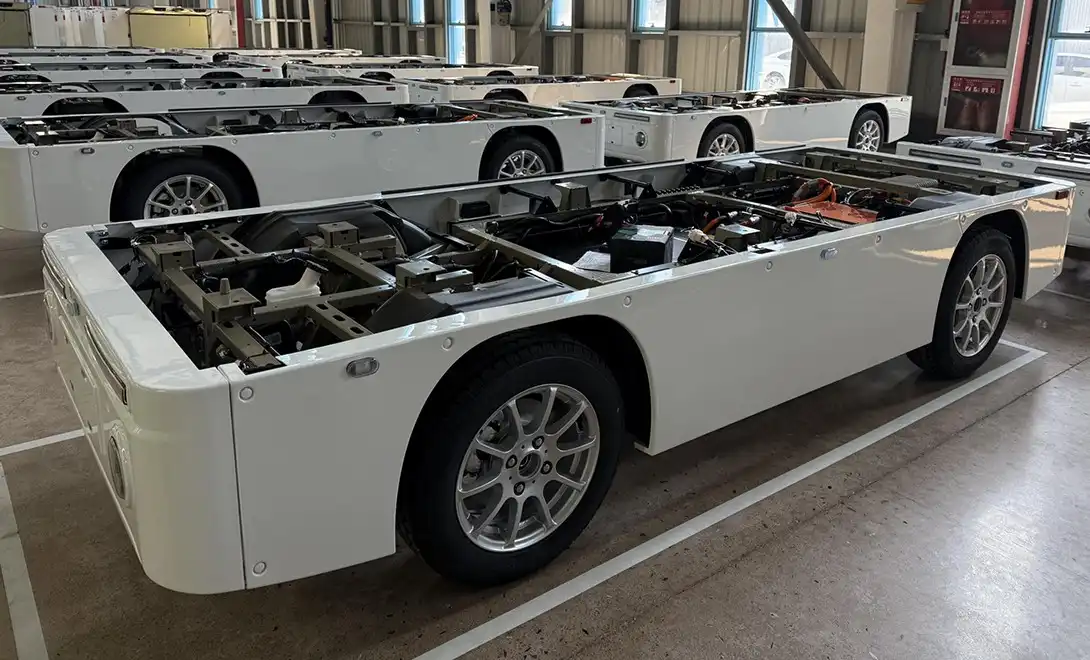
Autonomous mining vehicles are a big change in how minerals are moved about mining sites. They use advanced sensor arrays, GPS navigation, and artificial intelligence to work without any help from people. These self-driving trucks, haul vehicles, and material handlers are built to go over difficult mining terrain while keeping exact operating requirements.
Core Technologies Powering Autonomous Mining Solutions
Modern autonomous transport systems need a lot of cutting-edge technology to make sure they work well in tough mining conditions. LIDAR sensors make comprehensive 3D maps of the area around them, which helps them find obstacles and plan their paths. GPS devices can pinpoint your location to within a few centimeters, and radar technology works well in dusty circumstances that are prevalent in Middle Eastern mining sites. Machine learning algorithms are becoming better over time as they adapt to new terrain and operating situations.
Operational Benefits in Middle Eastern Mining Environments
Autonomous cars are very useful in Middle Eastern mines because of the intense heat and tough environment. These systems work well even when the temperature is above 50°C, which is dangerous for anyone who work with them and makes them less productive. Autonomous cars solve the problem of operator weariness and keep performance steady throughout 24-hour operations. The system also keeps people away from risky places, which is especially important in deep-pit mining, where rock collapses and machine breakdowns are always a risk.
Vehicle Types and Specifications for Mining Applications
Different types of self-driving cars are better for different mining transportation demands. Haul trucks are used to move enormous amounts of goods, with loads ranging from 40 to 400 tons. They have strengthened chassis and innovative suspension systems to help them move over uneven terrain. Water trucks and gasoline tankers are important for site services, while lighter utility vehicles help with maintenance and moving people about. Each sort of vehicle has sensors and control systems that are made just for its job.
Challenges and Solutions: Transitioning from Manual to Autonomous Transport in Mining
Safety rules, a lack of workers, and the need for operational efficiency are all putting more and more pressure on traditional mining transportation operations. According to safety statistics from the mining sector, human error is responsible for over 70% of mining accidents. Manual vehicle operations put drivers in dangerous situations, highlighting the compelling case for adopting autonomous transport vehicles.
Addressing Safety and Labor Challenges
Autonomous systems protect people from being in risky mining situations while yet offering reliable performance. These cars have sophisticated technologies for avoiding collisions, automated emergency braking, and the ability to identify hazards in real time. Remote monitoring centers let operators keep an eye on many vehicles from safe places, which cuts down on the number of people needed on-site while still keeping control of operations.
Integration Strategies for Existing Mining Operations
For autonomous vehicles to work well together, meticulous planning and a phased approach to adoption are needed. Before mining operations can really start, they usually start with trial programs that include 2–3 trucks in restricted regions. Changes to infrastructure include putting in communication networks, GPS base stations, and vehicle repair facilities that can service autonomous systems.
Regulatory Compliance in Middle Eastern Mining Markets
Regional mining authorities in the Middle East have set rules for how self-driving cars may work. Certifications for safety systems, training programs for operators, and emergency response plans are all part of compliance. Vehicle makers must show that they follow international standards and local rules for deploying autonomous systems.
How to Select the Right Autonomous Transport Vehicle for Mining Procurement?

When choosing autonomous mining vehicles, you need to carefully look at the technological specifications, the supplier's skills, and the long-term support needs. The selection procedure includes looking at operating needs, checking the credentials of suppliers, and figuring out the total cost of ownership.
Performance Metrics and Technical Specifications
Payload capacity, operating range, and navigation accuracy are all important performance metrics. Vehicles must be able to work well in very hot or very cold weather while still being able to accurately position themselves and avoid obstacles. The requirements for battery life and charging infrastructure have a big effect on how well things run, especially for electric self-driving cars that are meant to work all the time in mining.
Supplier Evaluation and Selection Criteria
Reliable providers have a lot of expertise with mining applications and can provide full assistance for autonomous transport vehicles in the Middle East. Local service infrastructure, the availability of replacement parts, and the speed of technical support responses are all important factors to consider while evaluating. Suppliers should provide clear timetables for when things will be done, training programs, and performance guarantees that are supported by well-known maintenance networks.
Financial Considerations and Investment Models
Purchasing an autonomous vehicle requires a lot of money, therefore you need to do a lot of financial research. Leasing alternatives provide mining enterprises with changing production schedules more freedom, while buying outright is better for established operations in the long run. When figuring up the total cost of ownership, you need to consider the costs of maintenance, software updates, and changing the infrastructure.
Optimizing the Use of Autonomous Transport Vehicles in Mining Operations
To get the most out of self-driving cars, you need to plan how to use them strategically and keep improving them based on data from their operations. Mining companies get the best results by looking at traffic patterns, finding bottlenecks, and changing the way vehicles are assigned to meet production needs.
Data Analytics and Performance Monitoring
Advanced analytics solutions keep track of things like fuel use, route efficiency, and maintenance needs for vehicles. Real-time monitoring lets you schedule maintenance ahead of time and optimize routes, which cuts down on downtime and boosts productivity. Predictive analytics find possible problems before they affect operations, which lets you use preventative maintenance measures.
Maintenance and Lifecycle Management
Autonomous cars need particular maintenance procedures that include both old-fashioned mechanical systems and cutting-edge technological parts. Technicians can check the health of a vehicle and arrange repair tasks without stopping operations thanks to remote diagnostics. Proper maintenance makes vehicles last longer and keeps them running smoothly over long periods of time.
JCM's Comprehensive Autonomous Transport Solutions for Middle East Mining
JCM uses our deep knowledge of the automotive sector and our complete industrial chain approach to provide tailored autonomous transport vehicle solutions for mining operations in the Middle East. We have a long history of making customized vehicles, which makes us the best partner for mining firms looking for dependable autonomous transport systems.
Customized Vehicle Development and Manufacturing
We can develop and build self-driving cars that are perfect for mining in the Middle East since we have a full range of manufacturing skills. We provide personalized solutions that meet specific operating needs via our research and development (R&D) centers and Original Centers in several areas. Our flexible manufacturing method works for both small-batch prototype and large-scale production, so we can provide solutions that work for mining operations of all sizes.
Integrated Production Line Solutions
JCM builds whole production lines for companies that want to make things locally. We provide car assembly lines, body welding facilities, and battery production systems that can make up to 2,000 complete vehicles or 100 MWh of batteries each year. This all-encompassing strategy lets mining businesses set up local manufacturing while keeping an eye on quality and cutting down on logistical expenses.
Technical Support and Service Excellence
We care about our customers' success even after they get their cars by offering full technical assistance and servicing packages. We provide local technical workers extra training so that they can properly maintain and operate autonomous systems. Our worldwide service network allows us to quickly fix technical problems while keeping a large stock of replacement parts in the Middle East.
Conclusion
Autonomous transport vehicles are a game-changing chance for Middle Eastern mining companies that want to improve safety, efficiency, and consistency in their operations. The device has been shown to work well in tough environmental circumstances, which makes it very useful for mining in the area. Choosing the right suppliers, making detailed plans, and constantly improving based on operational data are all necessary for successful execution. JCM's complete approach to making and developing self-driving cars gives mining businesses dependable, tailored solutions with full support services for the whole operating lifespan.
FAQ
Q1: What factors influence the total cost of autonomous transport vehicles for mining operations?
A: The whole cost includes the price of the vehicle itself, any changes that need to be made to the infrastructure, training programs, and ongoing maintenance costs. The costs of software licenses, installing a communication system, and setting up local support all have a big effect on the total amount of money needed for an investment. Long-term operational benefits from lower labor costs and higher efficiency usually make up for the original capital expenses within two to three years after deployment.
Q2: How do autonomous vehicles improve safety conditions in Middle Eastern mining sites?
A: Autonomous systems keep people safe from excessive heat, harmful materials, and perilous terrain while also ensuring constant safety performance. Advanced sensor systems are better at finding barriers and dangers than people, especially in dusty circumstances that are frequent in desert mining areas. Emergency response capabilities and fail-safe systems give extra levels of protection for both people and equipment.
Q3: What regulatory approvals are required for autonomous vehicle deployment in Middle East mining operations?
A: Different countries have different rules, but they usually involve safety system certifications, environmental impact evaluations, and operator training paperwork. Mining authorities want proof of following international safety standards and emergency response procedures. JCM works closely with customers to make sure that all rules are followed throughout the approval and deployment process.
Partner with JCM for Advanced Autonomous Mining Solutions
With JCM's cutting-edge autonomous transport vehicle solutions made just for the Middle East, you can change the way you mine. Our all-encompassing strategy includes developing cutting-edge technology, making things locally, and providing devoted support services. As a top maker of self-driving vehicles, we provide tailored solutions that make mining operations safer, cheaper, and more efficient in a variety of ways. Contact us at info@jcm-star.com to discuss your specific requirements and discover how our proven expertise can revolutionize your mining transport operations.
References
1. International Journal of Mining Engineering, "Autonomous Vehicle Implementation in Desert Mining Operations: Performance Analysis and Safety Outcomes," Mining Technology Research Institute, 2023.
2. Middle East Mining Association, "Regional Safety Standards for Autonomous Mining Equipment: Compliance Guidelines and Best Practices," Mining Safety Publications, 2023.
3. Global Mining Technology Review, "Economic Impact Assessment of Autonomous Transport Systems in Large-Scale Mining Operations," Industrial Technology Press, 2022.
4. Journal of Mining Automation, "Environmental Adaptation Strategies for Autonomous Vehicles in Extreme Climate Mining Sites," Mining Engineering Society, 2023.
5. Mining Equipment Manufacturers Association, "Technical Specifications and Performance Standards for Autonomous Mining Transport Systems," Equipment Standards Publication, 2023.
6. International Mining Safety Council, "Risk Management and Operational Safety Protocols for Autonomous Vehicle Integration in Mining Operations," Safety Standards Institute, 2022.

_1755581003287.webp)


_1756108840480.webp)
_1755854765757.webp)