8m Electric Shuttle Bus for Airport & Railway Transfers
The 8m Electric Shuttle Bus is a revolutionary answer for modern airport and train transfer operations because it is small, easy to maneuver, and doesn't produce any pollution. This mid-sized electric vehicle is perfect for short to medium-distance trips because it can fit 20 to 30 people and easily navigates through tight airport areas. Its fully electric engine gets rid of local pollution and noise, making the surroundings better for passengers and in line with sustainability goals. More and more, transit authorities around the world see these buses as smart investments that protect the environment and save money at the same time. This makes them especially appealing for high-frequency shuttle services, where reliability and passenger comfort directly affect the reputation of the business.
Understanding the 8m Electric Shuttle Bus
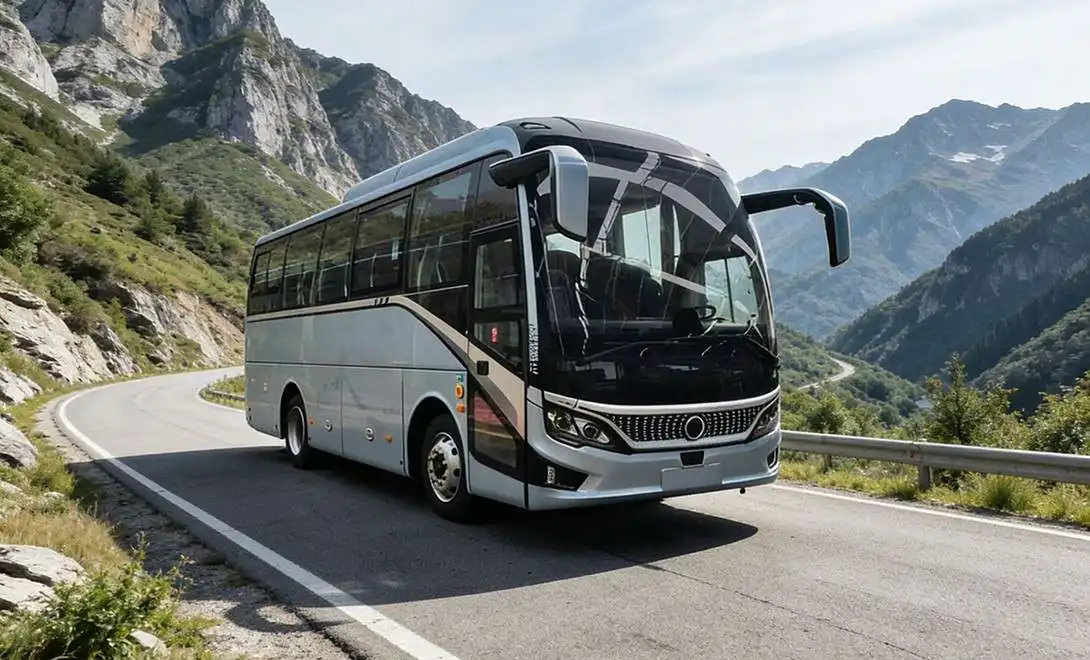
Core Design Philosophy and Application Scope
The 8m Electric Shuttle Bus is a medium-sized vehicle built for short to medium-distance travel. It is often seen at airports and on trains. It has a fully electric engine that uses advanced battery technology to run quietly and without emitting any pollution. This makes it perfect for places that are closed off or have a lot of foot traffic. These buses can fit between 20 and 30 people, which is a good mix between passenger number and maneuverability. Modern designs put an emphasis on low floors for easier boarding, wide hallways for carrying bags, and temperature control systems that work well on battery power.
Technical Architecture and Performance Parameters
The car's electric drive system is made up of built-in motor drivers, high-capacity lithium-ion battery packs, and regenerative braking systems that get energy back when the car slows down. Most setups have operating ranges of 200 to 250 kilometers on a single charge, which is long enough for shuttle operations to run all day without having to be charged in the middle of the day.
The motor is very quiet—at normal speed, it makes less than 65 decibels of noise—which is a big improvement over regular diesel engines for passengers. Battery thermal management systems keep the right working temperatures even in a wide range of climates. This means that the batteries will always work well, whether they are used in airports in the desert or rail stops in the north.
Operational Advantages for Transit Authorities
These buses have safety and comfort features that are designed for regular shuttle runs. They also have low lifecycle costs and upkeep needs that make them good for university fleets. The electric drivetrain is simpler than internal combustion engines because it has fewer working parts. This means that it needs less upkeep and breaks down less often. Electronic stability control, automatic passenger counting systems, and real-time car tracking all work together with train and airport dispatch operations without any problems. The short 8m length lets it get through crowded airport roads and tight turning circles, giving it more route freedom than bigger buses can offer.
Comparing Electric Shuttle Solutions with Alternative Options
The operational objectives, route characteristics, and long-term strategy goals all play a role in picking the right shuttle bus. To find out the real total cost of ownership, transportation managers have to look at more than just the buying price.
Electric Versus Conventional Fuel Technologies
The 8m Electric Shuttle Bus design works better than diesel and gas buses because it doesn't pollute the air with fuel fumes, costs less to run, and makes less noise. However, charging infrastructure is still something that needs to be thought about. When you add up the costs of fuel, upkeep, and emission compliance, operational data from European airports shows that electric shuttles are 60–70% cheaper per kilometer than diesel shuttles. Because these buses don't put out any exhaust, they can run in confined areas like covered airport pick-up zones and underground rail stations without worrying about airflow. But setting up charging stations needs upfront cash and planning for the electrical grid's capacity, which diesel businesses don't have to do.
Size Optimization: 8m Versus Larger Models
The 8m platform is more flexible and cost-effective for lines with tighter turns or fewer passengers than the bigger 10-meter electric models. The shorter length makes it easier to get through parking garages and exit roads that were built before big buses were common. Purchase prices for 12-meter equivalents are usually 15–20% lower than those for 10-meter equivalents. This makes fleet growth more affordable for medium-sized businesses. The lighter car increases the battery's range and reduces tire wear, which leads to lower lifecycle costs over multiple years of usage.

Battery Technology Considerations
Battery technology is very important to how well a car works and how much it costs. Lithium-iron-phosphate batteries have a higher energy density and last longer than older nickel-metal-hydride batteries. This has a direct effect on range and the total cost of ownership. Modern battery management systems keep an eye on the health of each cell, guess how much power is left in the pack, and find the best charge processes to make the pack last longer than eight years of heavy use. When buying teams look at battery guarantee terms, replacement prices, and recycling programs side by side, it helps them choose the best option for their transit needs.
Procurement Guide for Electric Shuttle Solutions
Defining Requirements and Initiating Inquiry
A efficient buying process starts with having a good idea of what the customer wants and goes through the steps of asking questions, making changes, and placing an order. Procurement teams should figure out how many miles are expected to be driven each day, how many people will be using the buses during busy times, how much electricity is available, and when they need to bring the goods.
Suppliers can give accurate quotes when they have full information about things like sitting arrangements, accessibility features, temperature zones, and branding needs. By formally asking for proposals from several qualified suppliers, you can be sure of competitive prices and learn about each vendor's technical skills and service promises. The 8m Electric Shuttle Bus procurement should always be guided by specific daily mileage and passenger volume needs.
Pricing Structures and Financial Flexibility
Pricing depends on features, battery type, and value-added services. There are a variety of financial choices, such as leasing, to fit a wide range of budgets. The base price of a car is usually between $180,000 and $260,000, but this depends on the size of the battery, the internal finishes, and the technology packages that come with it. Leasing agreements split up capital costs among operating budgets and cover upkeep, which makes managing a fleet easier. In many places, government subsidies for zero-emission cars can cover 20–30% of the cost of buying one. This makes the project more profitable and shortens the time it takes to pay for itself.
Warranty Coverage and Post-Delivery Support
Warranty terms, shipping times, and strong after-sales services are very important for making sure that operations keep running smoothly and that the investment pays off. Powertrain parts should be covered by contracts for at least five years, battery packs for eight years or 200,000 kilometers, and structural parts for as long as the car works. Suppliers who offer nearby service centers, guarantees on parts supply, and expert training for support staff lower the chances of downtime. This part gives buyers useful information that helps them make sure their purchases are in line with long-term transportation goals.
Selecting the Right Supplier and Brand
Evaluating Manufacturer Credentials
Picking a reliable provider is important for putting electric shuttle buses into service and keeping them in good shape over time. Leading global makers and approved dealers offer a wide range of products, years of experience, and a wide range of support services that are important for B2B clients. The state of ISO certification, proof of car safety testing, customer references from similar projects, and signs of financial security should all be used as evaluation criteria. Suppliers that have tech teams just for electric vehicles show that they are committed to continuing to improve their products and don't see electrification as a passing fad.
Customization Capabilities and OEM Partnerships

As a whole industry chain integrator, JCM stands out in the electric car supply scene. It links R&D centers in Shiyan and Xiamen with original design centers in Southeast Asia, the Middle East, and Europe. This global network makes it easy to quickly make changes that meet the specific needs of airport or train transfers, such as adding custom bag racks or connecting to existing call systems. Our OEM collaboration system supports prototype development and small-batch production, so clients can try out different setups before committing to full fleet orders. We offer full technical help for the entire lifecycle of a car, including training for operators, control of parts, and advice on how to improve performance for the 8m Electric Shuttle Bus.
Long-Term Partnership Value
Checking a supplier's qualifications, licenses, and customer reviews can help prove their dependability and service quality. Transportation officials on three countries have chosen JCM as their partner for electric vehicles because we have a history of on-time delivery and customer service after the sale. Our "Surfing" car industry chain tool brings together the best designers, part suppliers, and end customers from around the world. This allows for cloud-based design collaboration and quality control that standard producers can't match. Putting an emphasis on trusted relationships lowers risk and ensures long-term business success over the lifetime of a vehicle.
Benefits of Using Electric Shuttles for Airport & Railway Transfers
Economic Performance and Operational Efficiency
Adopting the 8m Electric Shuttle Bus has many benefits, starting with practical efficiencies gained from using less fuel and requiring less upkeep. The cost of electricity per kilometer is usually 70–80% less than the cost of diesel fuel. This means that high-mileage bus lines can save a lot of money. Because the electric engine is simpler, it doesn't need oil changes, gearbox service, exhaust system repairs, or pollution tests. This means that yearly upkeep costs are about half of what they are for regular buses. These cost cuts and longer uptime make the fleet's return on investment better and free up repair staff to work on other important operational tasks.
Environmental Compliance and Sustainability Leadership
Environmental benefits go beyond lowering running costs; they also include strategic placement and following the rules. Electric shuttles help cut down on greenhouse gas pollution and are in line with strict air quality rules that make it harder for diesel vehicles to enter cities and other protected areas. A lot of airports have promised to run carbon-neutral by 2030 or 2020, which means that electric ground transportation companies are important parts of plans for sustainability. Visible use of zero-emission cars improves a company's image among tourists who care about the environment and shows that the company is taking climate action seriously.
Passenger Experience Enhancement
There are many ways that the passenger experience can be improved that have a direct effect on customer happiness scores. The almost quiet operation gets rid of engine noise and vibration, so you can talk on the phone or hold a chat without raising your voice. Smooth electric power makes it easy to stand while making short trips between stations.
Modern HVAC systems are better at keeping the house at a constant temperature than systems that depend on engines. Modern safety features like automatic emergency braking, blind-spot tracking, and stability control meet or beat industry standards and lower insurance costs. All of these benefits make electric tour buses even more valuable for modern transportation companies that want to be efficient, follow the rules, and keep customers happy.
Conclusion
The 8m Electric Shuttle Bus is a tried-and-true, fully developed technology that solves the practical, financial, and environmental problems that modern airport and rail transfer operations face. When you add up the benefits of ideal sizing, zero-emission performance, and lower total costs, you have strong business reasons for updating your fleet. To have a successful rollout, you need to carefully choose your suppliers, be clear about what you need, and plan ahead for your charging system.
JCM's all-around approach, which includes customizing vehicles, setting up production lines, and providing support throughout a product's lifecycle, makes us an ideal partner for transportation authorities that want to switch to environmentally friendly bus services. When government rules, passenger standards, and economic benefits all come together, they make electric shuttles not only a good idea, but also a strategic necessity for transport companies that want to be ahead of the curve.
FAQ
What is the typical operational range for an 8-meter electric shuttle bus?
Under normal conditions, most electric shuttle buses in this size range can go 200 to 250 kilometers on a single charge. The actual range depends on how many people are in the car, how the temperature control is used, the environment, and how the car is driven. When airport shuttle routes have a lot of stops and chances to use regenerative braking, they often go farther than their rated ranges.
How long does charging take, and what infrastructure is required?
The type of charger and the size of the battery affect how long it takes to charge. Level 2 AC chargers need about 6 to 8 hours to fully charge, which is long enough to charge overnight at the depot between work days. DC fast chargers cut the time it takes to charge to two to three hours, so drivers can use them during breaks or service breaks in the middle of the day.
Are financing options available for bulk fleet orders?
Electric vehicles can be bought in a number of ways, such as through a traditional buy, an operating lease, a capital lease, or a power-purchase agreement where charging equipment is owned by a third party. A lot of places give low-interest loans or funds just for buying zero-emission vehicles, which lowers the costs of switching fleets. Bulk order prices usually start at five units, and the saves get bigger as the order size grows. JCM works with foreign lenders to set up payment terms that fit the budget cycles and cash flow needs of its clients.
Partner with JCM for Your Electric Shuttle Bus Needs
As a company that makes the 8m Electric Shuttle Bus and offers full solutions for modernizing airport and train transportation, JCM has skills that can't be matched. Because we look at the whole industry chain, we don't just sell cars; we also offer full support, such as planning charging infrastructure, training for operators, parts supply networks, and ongoing expert advice.
We can meet your unique procurement needs because our R&D centers are strategically placed around the world and our production sites can handle both large-scale production and custom small-batch orders. Email our knowledgeable staff at info@jcm-star.com to talk about your fleet needs, get full specs, or set up test drives in demonstration cars. We offer rapid prototyping, PPAP paperwork, and sample proof before mass production. This way, we can make sure that your investment meets all of your business needs and helps you reach your long-term relationship goals.
References
1. International Association of Public Transport. "Electric Bus Deployment in Airport Ground Transportation: Operational Case Studies and Best Practices." 2022.
2. Society of Automotive Engineers. "Technical Standards for Battery Electric Buses: Safety, Performance, and Testing Protocols." SAE J2954 Standard, 2021.
3. U.S. Department of Transportation. "Zero-Emission Transit Fleet Transition: Economic Analysis and Infrastructure Planning Guide." Federal Transit Administration Report, 2023.
4. European Commission Directorate-General for Mobility and Transport. "Sustainable Airport Ground Operations: Electric Vehicle Integration Strategies." 2022.
5. Clean Energy Ministerial Electric Vehicles Initiative. "Global EV Outlook: Commercial Vehicle Electrification Trends and Market Analysis." 2023.
6. American Public Transportation Association. "Electric Bus Procurement Guidelines: Specifications, Contracts, and Supplier Evaluation Frameworks." 2022.

Based on your vehicle requirements, we will quickly match the most suitable specifications and provide a competitive quote.
_1755581003287.webp)
Global Customized


_1756108840480.webp)
_1755854765757.webp)