8m Electric Bus Supplier Selection: What to Know
To find the best 8m Electric Bus Supplier, you need to carefully consider their technical skills, ability to produce, and willingness to work with you in the long run. For these mid-sized electric buses to be useful in city transit, shuttle services, and business fleets, they need to come from providers who can provide them with reliable vehicles, full approvals, and quick customer service after the sale. When procurement managers look at possible partners, they need to think about how flexible the customization options are, how much the whole project will cost, and how sustainable and eco-friendly the transportation solutions are.
Understanding 8m Electric Buses and Market Needs

Design and Application Context
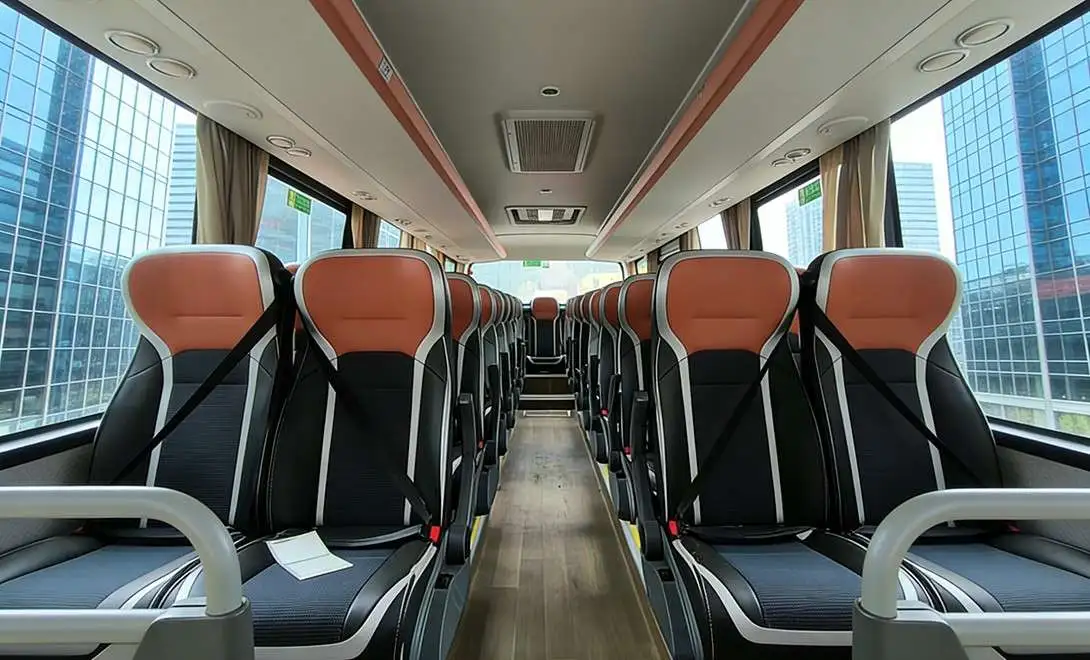
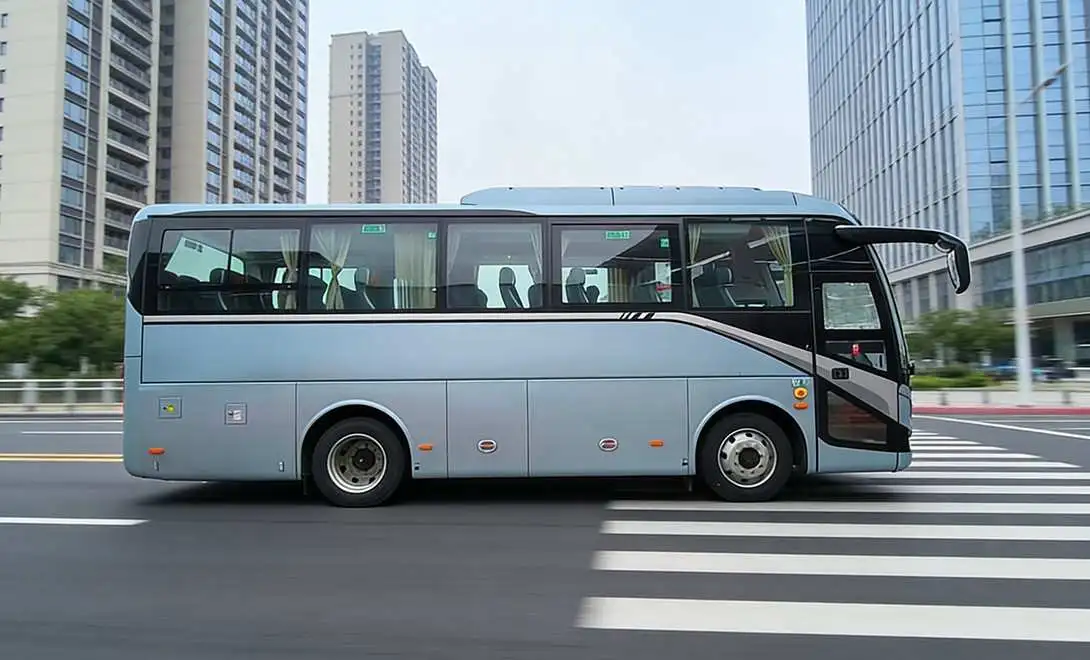
The 8-meter electric bus fills a useful role in transportation systems in cities and suburbs. This type of vehicle is easy to move around in busy city streets and can carry enough people—usually 30 to 45 people, based on how the seats are set up inside. This size group is being used more and more by transit agencies, private shuttle companies, and corporate sites because it offers a good mix between operating flexibility and service coverage. Larger 12-meter buses have trouble with tight lanes, but the small footprint makes it possible to plan routes through historic areas, residential neighborhoods, and industrial parks where the shape of the roads limits the size of vehicles.
Core Specifications That Matter
When procurement managers look at fleet needs, they look at a number of important specs. The operating range is closely related to the battery size. Most 8m models come with 120 to 200 kWh lithium-ion battery packs. These setups can go 150 to 250 kilometers on a single charge in normal driving conditions. However, performance can vary depending on the weather, the number of people riding, and the terrain. Compatibility with charging infrastructure is another important factor; cars must work well with depot charging systems or opportunity charging points. Fast charging lets you get back to work in less than two hours, so you can do multiple service rounds every day without having to keep a lot of batteries on hand.
Motor power levels between 120 and 180 kW are good for getting going quickly and going up hills in cities. Regenerative braking systems get energy back when the vehicle slows down. This makes them 15 to 25 percent more efficient than regular stopping systems. Climate control systems, especially battery thermal management, make sure that the car works the same way in all kinds of temperatures, which protects both the comfort of the passengers and the life of the parts.
Technology Components and Operational Impact
The choice of battery chemistry has a big impact on the cost and dependability of its performance over its entire life. Lithium iron phosphate (LFP) batteries are more stable at high temperatures and last longer between charges. They can often go over 4,000 rounds before losing 80 percent of their power. Nickel-manganese-cobalt (NMC) types have a higher energy density, which means they can carry more energy while weighing less. However, they need more complex thermal control. Procurement teams need to make sure that the battery technology fits with how the buses will be used. For example, LFP sturdiness is better for routes in cities with lots of stops, while NMC energy efficiency is better for longer routes in the suburbs.
The design of the drivetrain affects how often it needs to be maintained and how well it works. With direct-drive systems, there are no complicated transmissions, so there are fewer upkeep gaps and places where parts can break. Integrated motor-controller units make car design easier to understand and use, which increases reliability and lowers the cost of installation. Centralized electronic control units in modern car control systems make the best use of power distribution, battery conditioning, and driving aid features.
Sustainability and Cost Advantages
Electric buses have real environmental benefits that are in line with government green procurement policies and company sustainability goals. When an 8m electric bus is running, it doesn't release any particulate matter, nitrogen fumes, or carbon monoxide into the air, even in places with a lot of people. When charged with clean energy, greenhouse gas emissions drop by 70 to 90 percent over the course of a vehicle's life compared to diesel versions. This cut helps towns reach their carbon neutrality goals and businesses look for reliable ways to lower their emissions.
Over the span of a fleet, operational cost benefits add up quickly. In terms of energy equal, electricity costs about 60 to 70 percent less than diesel fuel. Electric drivetrains have a lot fewer moving parts, so they don't need as much maintenance. For example, they don't need oil changes, gearbox services, or exhaust system fixes. Regenerative braking greatly lowers brake wear, which increases the time between component replacements. Over the course of a 12-year vehicle's life, the Total Cost of Ownership is often 30 to 40 percent cheaper than diesel options, even though they cost more to buy at first.
Key Criteria for Selecting an 8m Electric Bus Supplier
Product Quality and Certification Standards
Checking the 8m Electric Bus Supplier quality control systems and industry certifications is the first step in building trust in them. Structured quality control methods are shown by ISO 9001 certification, and ISO/TS 16949 (now IATF 16949) norms are only for car production. These certificates show that factories follow strict inspection rules, use traceability systems, and use methods for ongoing growth. In addition to general quality standards, electric bus providers should have the right car certifications, such as UN ECE compliance for European markets, FMVSS compliance for North American operations, or regional standards that are similar.
Because of the risk of thermal runaway and fire safety, battery safety standards need extra care. UL 2580 covers electrical safety systems in electric cars, and UN 38.3 approval makes sure that batteries meet safety standards for transportation. Before committing to mass production, Production Pre-Approval Process (PPAP) paperwork makes it clear what materials can be used, how they should be shaped, and what industrial capabilities are available.
Technological Capabilities and Innovation
A supplier review should look into more advanced technologies than just what is required for the present product. Battery management systems are important intellectual property because they use complex formulas to balance cell levels, keep an eye on temperature differences, and guess how long a battery will still work. Better battery management increases the life of packs by 20 to 30 percent by using better charge patterns and temperature control. Integrating vehicle control software changes how the driver feels, how much energy is saved, and how well troubleshooting tools work. As fleet management systems change, they need ongoing development support.
Charging infrastructure compatibility needs technical planning between companies that make vehicles and companies that make charging equipment. Different parts of the world use the CCS (Combined Charging System) standard more than the GB/T standard. On the other hand, fleets may be stuck with one infrastructure provider if they use private protocols. Forward-thinking providers either make sure that their cars can work with more than one charging standard or offer ways to make them compatible as technology standards change.
Total Cost of Ownership Considerations
Buying choices involve a lot more than just the price of the car. A full analysis of the total costs includes the cost of replacing the batteries, which are usually needed every 8 to 12 years based on how much they are used and how well they control heat. There are a lot of different types of warranties. Some sources cover everything for 5 years or 200,000 kilometers, including the batteries, while others only cover damage up to a certain point. Options for longer warranties, preventive maintenance packages, and promises that parts will be available have a big effect on the lifecycle costs.
Energy efficiency has a direct effect on how much it costs to run a car over its entire life. A 10 percent increase in speed saves a lot of money when added up over years of business and daily operations. Accurate financial modeling is possible with suppliers who provide thorough data on energy use that has been checked by outside testing rather than manufacturer claims.
Supplier Reputation and Service Network
Long-term operating success depends on having parts and responsive after-sales help. Setting up local service networks or forming partnerships with maintenance providers in the area makes sure that when cars need help, it will be done quickly. In transit, downtime costs add up quickly. For example, every day that a bus isn't running, the system loses money and customers lose faith in the service. Suppliers with established spare parts inventories, expert training programs for maintenance staff, and the ability to do diagnostics remotely keep operations running smoothly.
Checking references with past buyers gives you information that isn't in marketing materials. Talking to fleet owners who have been in business for a few years shows trends in how reliable vehicles are, how quickly suppliers respond, and the hidden costs that show up after warranty periods end. Transparent communication about known problems and prompt settlement show that the seller cares more about the success of the customer than the end of the transaction.
Comparing 8m Electric Buses with Alternatives and Supplier Offerings
Electric Versus Diesel: A Quantitative Analysis
When you directly compare electric and diesel powertrains, you can see how they work in very different ways. In city service, an 8m diesel bus usually uses 20 to 25 liters of fuel every 100 kilometers. At current diesel prices, this means that fuel costs about $0.40 to $0.50 per kilometer. The electric version needs 80 to 120 kWh per 100 kilometers, which costs $0.08 to $0.15 per kilometer at business rates. For a car that drives 40,000 kilometers a year, the fuel savings are more than $12,000. Depending on the terms of the loan, the extra costs of the car will be paid for within 5 to 7 years.
Differences in maintenance costs are also important. Every 15,000 to 20,000 kilometers, diesel buses need to have their oil changed, their transmissions serviced, their diesel particulate filters cleaned, and their exhaust systems checked. Electric buses don't need to do any of these things, so they cost $8,000 to $12,000 less per year to maintain. Electric drivetrains have parts that last longer than diesel engines—diesel engines need major service every 500,000 to 700,000 kilometers, while electric motors can go over 1 million kilometers without needing to be overhauled.
Leading Manufacturers and Market Position
There are both well-known automakers and specialty business vehicle makers in the global electric bus market. Chinese makers make most of the goods that are sold. They are able to do this because their supply chains are very well connected and the government has offered incentives to speed up local deployment. European makers put a lot of emphasis on high-quality construction, advanced safety systems, and the ability to connect to complex fleet management platforms. Newcomers to North America focus on local assembly operations, service network density, and following "Buy America" rules for nationally backed purchases.
Certification files separate serious makers from those who are just entering the market to make money. Established 8m Electric Bus Supplier accumulate approvals for many areas, such as European whole-vehicle type approval, North American FMVSS compliance, and safety standards specific to each region. This knowledge of regulations shows that the tech is mature and committed to participating in the global market rather than just finishing one project.
JCM's Competitive Position in Electric Bus Solutions
JCM is unique in the electric bus market because it offers combined manufacturing, flexible modification, and full lifecycle support. Our 8m electric buses have modern lithium iron phosphate battery systems that are made to last longer and stay stable in a range of temperatures and working conditions. We give cars that are specifically designed to meet practical needs instead of generic catalog goods because we have factories in Xiamen and do a lot of research and development.
Our method focuses on integrating the whole industry chain, which lets us make changes quickly to meet the needs of each market. Our tech teams work directly with customers throughout the entire development process, whether workers need different seating arrangements, climate control for harsh settings, or integration with their own fleet management systems. This flexibility is especially helpful when switching suppliers for partners who are more quick or when starting new service offers that are different from the ones you already have.
JCM does more than just supply vehicles; it also helps partners set up complete production lines for local assembly operations. Our turnkey services include designing the whole production line, making the fixtures, giving professional training, and managing the supply chain for the parts. This feature helps government programs that need local content or truck owners who want to have more control over the supply chain. Battery manufacturing options let partners set up regional production capacity, which reduces range worry and helps the country's battery recycling infrastructure.
Procurement Process: From Inquiry to Delivery

Sourcing Channels and Documentation Requirements
When buying business cars from other countries, you need to pay close attention to the rules about paperwork and following the rules. Checking a 8m Electric Bus Supplier business license, manufacturing certifications, and financial security through background checks and site visits is the first step in qualifying them as a supplier. Video views of factory facilities let people see how things are made, how quality is controlled, and how much can be made without having to make long-distance trips.
Request for Quotation (RFQ) papers should include a full list of technical requirements, such as battery capacity, expected range, charge compatibility, internal layouts, climate system specs, and any certification standards that apply. Technical specs that are clear help avoid confusion and allow for accurate cost comparisons. Transparency in the bill of materials helps procurement teams check the quality of parts and find possible weak spots in the supply chain.
Pricing Structures and Financial Models
Prices for electric buses vary a lot depending on the level of detail, the size of the battery, and the licensing requirements. The base price of an 8m type usually falls between $200,000 and $350,000. The biggest factor that affects the price is the size of the battery. Large savings are available for orders that are more than 20 units. For orders of 20 or more vehicles, costs often drop by 10 to 15 percent per vehicle due to economies of scale in purchasing parts and planning production schedules.
Flexible payment options make it possible to grow the fleet without spending too much on cash. Operating leases let suppliers or financial partners take on the risk of the asset's residual value while keeping the company's capital for its main activities. Battery-as-a-service models separate ownership of the battery from ownership of the car. This lowers the starting costs and makes sure that replacement batteries don't require a large down payment. When battery technology keeps changing, these designs are especially useful because they don't lock you into using the latest technology right away.
Delivery Timelines and Logistics Coordination
Production lead times vary a lot depending on how complicated the design is and how full the supplier's capacity is. Standard configuration cars from established production lines can ship in 8 to 12 weeks. Customized specs that need engineering approval take 16 to 24 weeks longer. Sample proof through PPAP processes takes an extra 4 to 6 weeks, but it's a must for making sure quality before committing to mass production.
Vehicle providers, freight forwarders, and customs agents all need to work together to ship goods internationally. Roll-on/roll-off (RoRo) shipping is the most cost-effective way to move bigger amounts of goods. Container shipping is better for smaller orders or cars that need extra weather protection. To avoid delays in clearing customs, import paperwork like business bills, packing lists, certificates of origin, and compliance certifications must exactly match what is needed.
Warranty and After-Sales Support Planning
A full guarantee guards against problems with the way the product was made and parts that break too soon. Standard warranties cover the frame and electrical systems of a car for two to three years or 100,000 to 150,000 kilometers. Battery warranties cover how well the battery retains its charge. Most battery warranties promise that the battery will still have 70 to 80 percent of its original power after 5 years or a certain number of cycles, though the exact terms vary a lot from one seller to the next.
Infrastructure for after-sales help is essential for long-term business growth. Keeping extra parts in stock locally lowers the chance of downtime. Important parts like battery modules, motor controllers, and charging interfaces should be kept in stock locally with confirmed replacement dates. Technical training programs for maintenance workers make sure they know the right way to diagnose problems and fix them, which stops wrong diagnoses and the needless replacement of parts.
Future Trends and Technological Innovations in 8m Electric Buses
Battery Technology Evolution
The growth of solid-state batteries looks like it will make lithium-ion technology much more useful. The next version of batteries has more energy packed into a smaller space, can be charged faster, and is safer because it doesn't use flammable liquid chemicals. Commercial release dates are still unknown, but most predictions say they will be available between 2025 and 2028. When these innovations reach market growth, procurement strategies should plan for ways to retrofit or improve technologies.
Battery second-life uses increase their economic value after the vehicle's working life is over. When the capacity of electric bus batteries drops below 70 to 80 percent, they still work well enough for fixed energy storage uses like grid stabilization, integrating green energy, or backup power systems. Forward-thinking 8m Electric Bus Supplier set up programs to collect and reuse batteries, which creates residual value that makes the total lifetime economics better.
Smart Fleet Management Integration
Connecting things to the internet of things changes how vehicles are managed by collecting data in real time and using predictive analytics. Modern electric buses send performance data all the time, including the battery's level of charge, how much energy it uses, the temperatures of its parts, and diagnostic trouble codes. This stream of data is analyzed by fleet management software, which finds repair issues before they happen, finds the best charging times to save money on electricity, and gives drivers real-time feedback on how to be more efficient.
Route optimization algorithms use data on how well vehicles are performing, traffic trends, and customer demand to make operations as efficient as possible. Dynamic routing adapts to real-time conditions by changing the regularity of service and car assignments to match changes in demand. It also keeps track of the battery state of charge across all fleet operations.
Regulatory Drivers and Green Procurement Policies
As pollution standards get stricter, diesel buses are being phased out and more electric vehicles are being bought. California's Innovative Clean Transit law says that all new buses must have zero emissions by 2029 and the whole fleet must be converted by 2040. In European towns, low-emission zones make it harder for diesel cars to get in, and in China, strict goals for electrification are forcing fast transit fleets to switch to electric vehicles. These regulatory systems make it possible to predict changes in demand, which supports investments in industry and technology growth.
More and more, green procurement policies include lifecycle assessment methods that look at how making a car affects the environment, how it operates, and how it can be recycled at the end of its life. Suppliers who show clear evidence of a sustainable supply chain, the use of green energy in production, and thorough recycling programs have an edge in government bids and business purchasing processes.
Strategic Partnership Approaches
Transactional ways of buying things are less valuable than long-term ties with suppliers. Collaborations allow for constant growth; sharing operating data helps suppliers improve car designs, make sure that part specs are optimal, and come up with focused upgrades that fix performance problems in the real world. Joint research projects make vehicles fit specific operational situations and use what they've learned from the first deployments to improve future versions of vehicles.
Aligning technology roadmaps makes sure that procurement strategies stay in sync with the paths of innovation. Talking to suppliers on a regular basis about changes in battery chemistry, charging infrastructure, and the integration of self-driving cars helps fleet operators plan when to make capital investments so they don't get stuck in one technology too soon and can keep operations running smoothly.
Conclusion
When choosing an 8m Electric Bus Supplier, you have to weigh the needs of the business right now with those of the long run. For buying to go well, professional skills, certification portfolios, Total Cost of Ownership, and infrastructure for after-sales help must all be looked at. Switching from diesel to electric powertrains is good for the environment and saves money on running costs, but the initial purchases need careful financial analysis. As battery technology improves and smart fleet management systems become more stable, early users will be in a better position to take advantage of stricter pollution rules. Building ties with suppliers that offer flexible customization, full lifetime support, and open communication makes supply relationships strong and able to react to changing market needs and new technologies.
FAQ
What are the typical maintenance requirements for an 8m electric bus?
upkeep for electric buses is a lot less than upkeep for gasoline buses. Tire changes, brake checks, servicing of suspension parts, and servicing of the HVAC system are all part of regular maintenance. Battery temperature management systems need to be checked on a regular basis to make sure they are working right. Electric buses don't need oil changes, gearbox services, exhaust system repairs, or diesel particulate filter upkeep like diesel buses do. Diesel buses usually have higher annual upkeep costs of 40 to 50 percent. However, replacing the battery every 8 to 12 years is a big lifecycle cost that should be added to the total cost of ownership estimates.
How long does it take to fully charge an 8m electric bus?
Charging time varies on the size of the battery, the power level of the charging infrastructure, and how charged the battery was to begin with. Using AC Level 2 equipment (19 kW) for depot charging takes 6 to 10 hours to finish, so it can be used overnight. DC fast charging at 60 to 120 kW cuts the time it takes to charge to 2 to 4 hours, so it can be done during breaks in service. Ultra-fast charging systems with more than 150 kW can restore 80% of a battery's capacity in 60 to 90 minutes. However, if you use these systems often, they may cause batteries to break down faster than slower charge methods.
Partner with JCM for Your Electric Bus Supply Needs
JCM is ready to help you make the switch to environmentally friendly urban transportation through custom electric bus solutions and full manufacturing partnerships. As a well-known 8m Electric Bus Supplier, we make vehicles that are specifically designed to meet your business needs. Our whole industry chain integration ensures the quality of the parts, the freedom of production, and the reliability of the vehicles throughout their lifetime. Our technical teams work directly with fleet operators, procurement managers, and product development specialists to come up with solutions that meet the specific needs of each market.
These solutions can be anything from custom climate systems to integration with fleet management platforms that we own. In addition to providing vehicles, we also provide complete production line solutions, such as designing assembly fixtures, making batteries, and offering technical training programs. Email us at info@jcm-star.com to talk about how our knowledge can change the way your fleet works by providing you with new electric mobility options that are specifically designed to meet your business needs.
References
1. International Association of Public Transport (UITP), "Electric Bus Systems: State of the Practice and Technology Analysis," 2023 Industry Report on Global Electric Bus Deployment and Performance Benchmarking.
2. Advanced Battery Consortium Technical Research Division, "Lithium-Ion Battery Performance in Commercial Vehicle Applications: Lifecycle Analysis and Cost Projections," Journal of Energy Storage Systems, Vol. 47, 2023.
3. Society of Automotive Engineers (SAE), "Recommended Practices for Electric Vehicle Charging Infrastructure Integration," SAE Technical Standards J1772 and J3068 Implementation Guidelines, 2023 Edition.
4. Environmental Protection Agency Office of Transportation, "Greenhouse Gas Emissions Comparison: Electric vs. Diesel Transit Buses," EPA Climate Change Division Technical Assessment Report, 2023.
5. International Electrotechnical Commission Battery Safety Working Group, "Safety Requirements for Traction Battery Systems in Electric Vehicles," IEC 62660 Standards Series and UN 38.3 Compliance Documentation, Updated 2023.
6. American Public Transportation Association Research and Development Committee, "Total Cost of Ownership Analysis for Zero-Emission Transit Buses," APTA Bus and Paratransit Conference Proceedings, 2023.

Based on your vehicle requirements, we will quickly match the most suitable specifications and provide a competitive quote.
_1755581003287.webp)
Global Customized


_1756108840480.webp)
_1755854765757.webp)