14m Highway Coach Bus: Ideal for Tourism Routes
If a tourist company wants to carry as many people as possible over long distances while still keeping high standards of comfort, the 14m highway coach bus is the best way to do it. These longer cars can carry 45 to 55 people along scenic roads and are made with modern engineering and fuel-efficient engines. Modern versions come in fuel, hybrid, and fully electric versions to meet a range of operating needs and environmental standards. These coaches are reliable for tour operators who want to move a lot of people on long tourist routes because they are more stable on the highway, have more safety features, and can have their cabins customized.
Understanding the 14m Highway Coach Bus: Features and Specifications
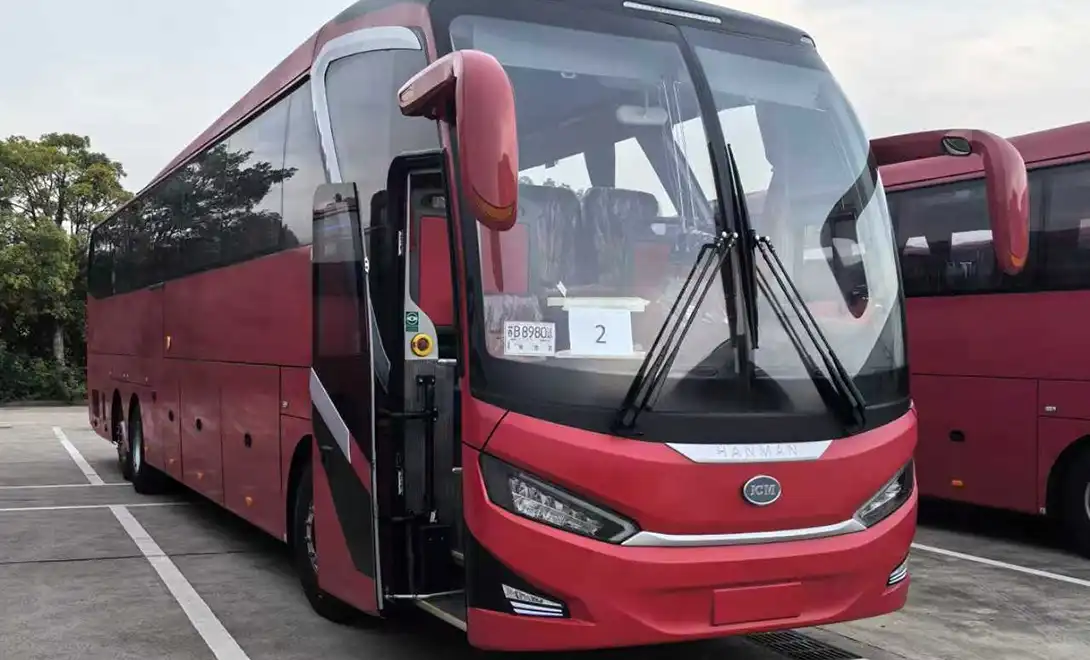
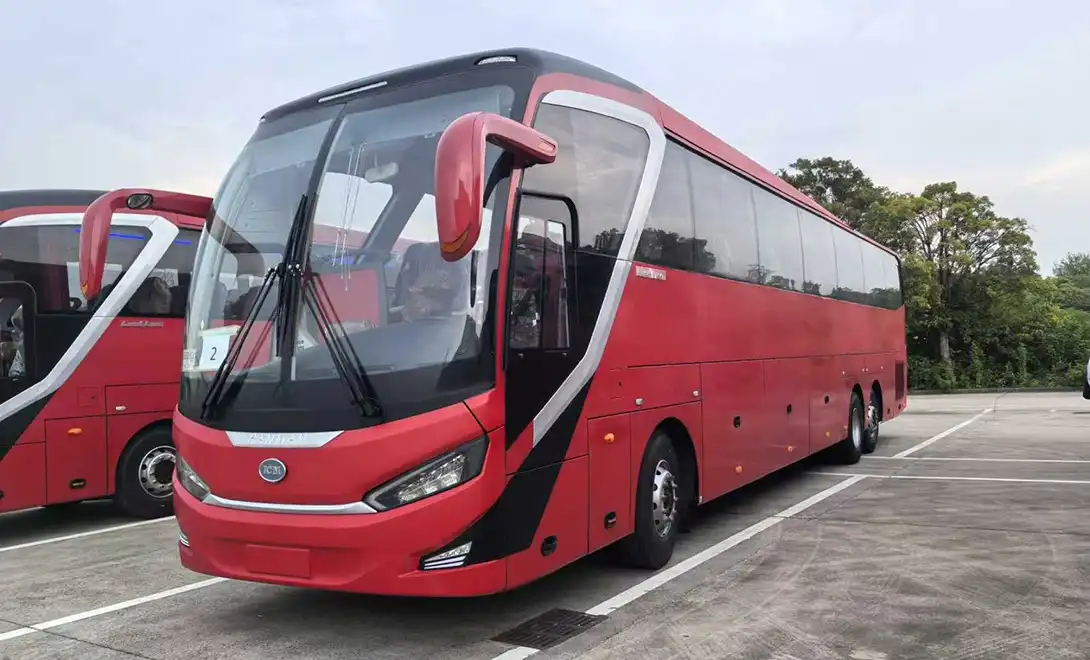
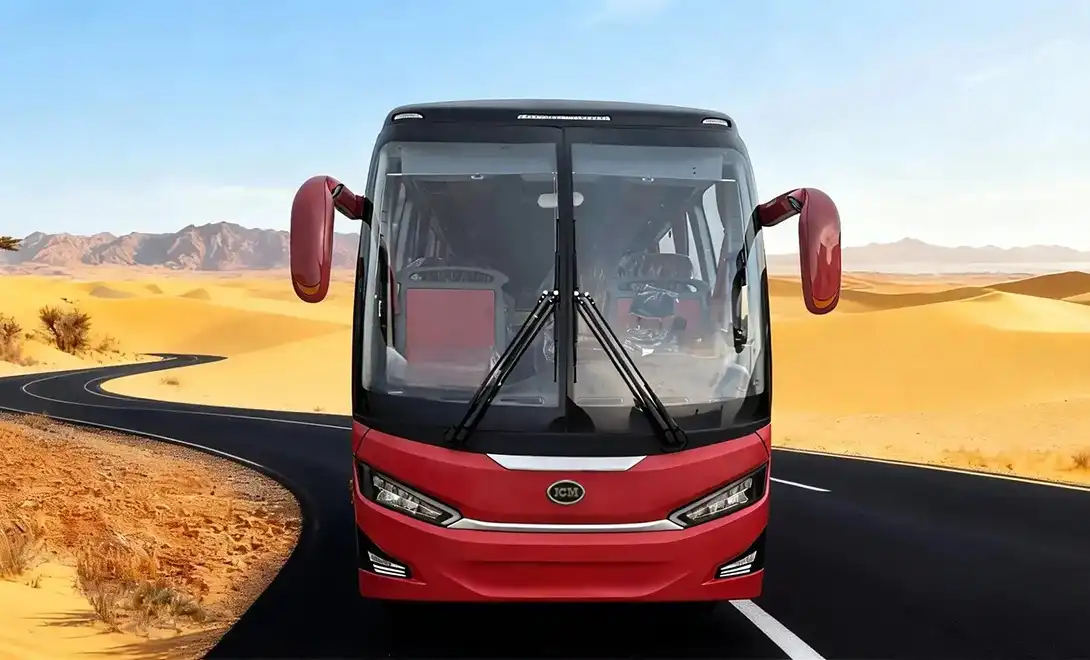
Modern 14-meter highway coaches are amazing works of engineering that were made just for tourist uses. These cars are usually 14 meters long, 2.55 meters wide, and about 3.8 meters high, which is the perfect size for carrying people and turning on and off of highways.
Passenger Configuration and Seating Options
A 14m highway coach bus has a roomy cabin that can handle different seating setups based on comfort needs and the features of the route. Standard layouts can fit anywhere from 45 to 55 people, while premium plans have bigger hallways, more legroom, and better services. Luxury tourist types often have 2+1 sitting arrangements, personal entertainment systems, and panoramic views to make long trips more enjoyable for passengers.
Inside, you can choose from reclining seats with movable headrests, reading lights for each person, USB charging ports, and storage spaces above the seats. For the most comfortable long-distance travel, climate control systems keep the temperature level constant throughout the passenger area, and improved suspension systems reduce vibrations and road noise.
Engine Technologies and Fuel Efficiency
Modern 14-meter coaches come with a range of powertrain choices to meet a wide range of operating needs. Diesel engines are still popular because they are reliable and have a large repair network. Depending on the route and driving habits, they can get between 6 and 8 miles per gallon.
Electric versions are part of a growing movement toward environmentally friendly transportation. They have batteries with sizes between 350 and 500 kWh that allow them to go 200 to 300 miles. These zero-emission vehicles cut down on running costs by a large amount while still passing stricter environmental rules in tourist areas in cities.
Hybrid designs use both diesel engines and electric drives to get the best fuel economy in stop-and-go traffic while still having a long range for intercity trips. Modern tracking systems keep an eye on how much fuel is being used and give real-time feedback on how efficient things are running to improve operating performance.
Safety and Compliance Features
The latest highway cars have safety features that go above and beyond international standards. They have a wide range of active and passive security systems. Electronic Stability Control (ESC) keeps the car from rolling over during emergency movements, and Advanced Emergency Braking Systems (AEBS) stop the car instantly when they sense a crash is likely.
Fire suppression systems, escape roof hatches, reinforced passenger cabins, and anti-lock braking systems (ABS) with automatic brake distribution are some of the other safety features. These cars meet the rules for ECE R66 rollover safety and FMVSS 302 flammability, which protects passengers in a variety of driving situations.
Comparing 14m Highway Coach Buses – Making the Right Procurement Decision
To choose the right coach type, you need to carefully think about your operational needs, the features of your route, and your long-term budget. Knowing the differences between the different setups helps you make smart purchasing choices that get you the best return on your investment.
Capacity Comparison with Alternative Coach Sizes
When 14-meter coaches are compared to 12-meter coaches, the longer length allows 15-20% more passengers while keeping the same overall operating costs per mile. This means that there is more possibility for making money on tourist routes with lots of demand, where the higher number of passengers supports the bigger car investment.
The 14m highway coach bus, on the other hand, has to deal with infrastructure problems like limited access to terminals, parking issues, and problems with turning in urban areas. When planning a route, you have to think about things like bridge height limits and turning radius requirements, which can make operations less flexible than with shorter trucks.
Electric vs. Diesel Performance Analysis
Some types of electric coaches have big practical benefits, like requiring less upkeep, making less noise, and not emitting diesel exhaust as much. Total cost of ownership estimates often favor electric models over 8–10 year operating periods. This is especially true when fuel price changes and carbon tax effects are taken into account. Diesel trains still have benefits when it comes to route freedom, the availability of refilling facilities, and the price of the original buy. These cars work great for tourism in country areas where charging stations are hard to find and longer trips require batteries that can't keep up.
Leading Manufacturer Comparison
European automakers like Mercedes-Benz and MAN put a lot of emphasis on high-quality construction, improved safety systems, and large service networks. These names usually require bigger expenses at first, but they have higher resale values and lower upkeep costs over longer periods of time. Asian companies like Yutong and King Long focus on making products that are both cheap and competitive in terms of features and prices. These choices are good for fleet operators who want to save money on starting capital while still meeting quality standards for tourist uses.
Operational and Maintenance Insights for 14m Highway Coach Buses
Effective fleet management strategies maximize the time that vehicles are available for use while keeping costs low throughout the lifecycle of the ownership. Knowing what needs to be done for maintenance and the best ways to run a business will ensure steady performance and customer happiness.
Preventive Maintenance Programs
Comprehensive repair plans for engine systems, transmission parts, brake units, and suspension parts are used by successful coach companies. Inspections every 10,000 to 15,000 miles keep parts from breaking down, which can be very expensive, and they also make parts last a lot longer.
Critical maintenance areas for highway coaches include:
• Engine oil and filter changes – These are necessary to keep the engine running at its best and stop it from wearing out too quickly in high-mileage vehicles.
• Brake system inspections – Critical for passenger safety, especially on tourist routes through mountains with lots of elevation changes
• Tire rotation and replacement – Regular tire care saves money on gas and keeps the car's handling stable.
• HVAC system servicing – Regular cleaning and repair of parts in the HVAC system keeps passengers comfortable on long trips.
These preventative steps cut down on unexpected repair costs by 30–40% while keeping the level of service efficiency that tourism businesses need to keep customers happy.
Cost Control Strategies
Operational cost management starts with training programs for drivers that stress fuel-efficient driving, safe car handling, and being aware of preventative repair. Professional drivers can get 10-15% better gas mileage by planning their routes, accelerating and braking in the best ways, and using cruise control properly. Buying spare parts through approved dealer networks protects warranties and makes sure that parts work with each other. Looking for items that are used for regular upkeep at lower prices cuts down on total costs. By working with more than one service provider, you can keep service quality standards high while creating price competition.
Warranty and Service Considerations
Comprehensive insurance coverage protects your finances during the first few years of use while you build service relationships with authorized dealers. Extended warranty choices are often a good value for high-mileage tourist uses, such as in a 14m highway coach bus, where constant highway use speeds up component wear. Service package deals include regular upkeep, roadside help in an emergency, and replacement parts in one monthly payment. These plans make budgeting easier and make sure that vehicles are always available during busy tourist seasons, when the costs of breaks are highest.
Procurement Strategies and Market Guidance for Purchasing 14m Highway Coach Buses
Strategic buying methods find the best balance between the costs of the initial investment and the needs of the business in the long term, all while getting good financing terms and good relationships with suppliers. Understanding how the market works can help you negotiate better and choose the best car.
Pricing and Financing Considerations
Prices for highway coaches vary a lot depending on the level of standard, the choice of engine, and the choice of extra equipment. Diesel models start at around $400,000 and go up to $600,000. High-end electric models cost between $700,000 and $900,000, based on the size of the battery and any extras that come with them.
Leasing deals are often better than buying something outright, especially for businesses that need to manage their cash flow or don't know how demand will change over time. Operating leases include repair plans and new technology, and they keep the money you save for developing new routes and expanding your market.
When you buy more than one item, you can save a lot of money with volume purchasing deals. Usually, the cost of each item is cut by 8–12% compared to buying them separately. These deals also give you more schedule freedom and standard requirements that make it easier to train drivers and keep your vehicles in good shape.
Dealer Selection and Supplier Evaluation
Reputable shops have a lot of knowledge in the field, can do a wide range of repairs, and have established networks for getting parts. Looking at customer references, service response times, and how insurance claims are handled by the dealer can give you an idea of the quality of long-term support. The ability to respond to emergencies and how well operations run depend on how close they are to service centers. Dealers with multiple service sites spread out across their operating lands can better support tourist paths that go through large areas of land.
Customization and Specification Optimization
Route-specific customization choices improve the experience of passengers and meet operational needs that are unique to tourist apps. Panorama windows, better sound systems, and Wi-Fi connection make the service stand out from other types of transportation, which is good for leisure tourists. Specification choices should be in line with what the target market wants, how the route works, and the limitations of the business. On high-end tourist routes, extra comfort features and high-end appointments are appropriate, but on low-cost routes, specs that focus on dependability and efficiency are more useful.
Future Trends and Innovations in 14m Highway Coach Buses for Tourism
As technology improves and rules change, the travel coach business is also changing to become more environmentally friendly, more efficient, and better for passengers. Understanding new trends helps with strategy planning and putting yourself in a position to compete.
Electric Propulsion and Sustainability Initiatives
Government benefits, environmental rules, and improvements in battery technology are speeding up the move toward zero-emission transportation. Electric 14m highway coach bus types can now go 250–300 miles, which is far enough for most tourist routes and saves a lot of money on operating costs.
Adding more charging points with a lot of power to tourist spots, restaurants, and transportation hubs helps electric coaches become more popular. These changes have made range worry less of a problem while also letting passengers charge overnight while they are staying somewhere. Hydrogen fuel cell technology is becoming an option for long-range uses where battery limitations limit how the system can be used. These systems can be refueled quickly and have a longer range, and they still have the perks of zero-emission operation.
Autonomous Driving and Advanced Safety Systems

Advanced driver aid systems (ADAS) are getting better at semi-autonomous operation, which makes driving safer and less tiring for drivers on long trips. Lane departure warning, adaptive cruise control, and devices that help avoid collisions are now standard on all high-end coach types. In the future, there will be platooning technologies that let multiple cars work together, which will lower wind resistance and increase fuel economy by 8–12%. For these systems to be used in the real world, they need complex networks for communicating between vehicles and permission from the government.
Connectivity and Passenger Experience Enhancements
In-built telematics systems let you keep an eye on your vehicles in real time, get tips about impending repairs, and get suggestions for the best routes, all of which make operations run more smoothly. These systems allow online diagnosis and proactive service scheduling, which keeps downtime to a minimum. Features that let passengers connect, like high-speed internet, entertainment systems that stream content, and the ability to use mobile devices, become necessary for tourist uses. These technologies enhance the travel experience while providing competitive advantages in leisure transportation markets.
Conclusion
The modern 14m highway coach bus is a great choice for tourism businesses that want to carry as many people as possible while still keeping high standards of comfort and safety. These cars blend tried-and-true dependability with new technologies that make operations more efficient and protect the environment. The best return on investment is achieved by making strategic purchasing choices that take into account route needs, passenger standards, and long-term operating costs. As the industry moves toward more electricity and better connections, tourist businesses that accept new technologies quickly will have a long-term edge in the growing leisure travel market.
FAQ
What is the typical passenger capacity of a 14m highway coach bus?
A 14-meter highway coach typically accommodates 45-55 passengers depending on seating configuration and comfort level specifications. Luxury tourism layouts with enhanced legroom and amenities may reduce capacity to 40-45 passengers, while standard configurations maximize seating density for cost-effective operations.
How does fuel efficiency compare between electric and diesel 14m coaches?
Compared to gasoline coaches, electric coaches offer the same level of speed at 60–70% lower energy costs. Diesel coaches get 6–8 miles per gallon, but electric types use 1.5–2.0 kWh per mile. This means that, even though they cost more at first, they save a lot of money in the long run.
What are the main maintenance considerations for tourism route operations?
Highway tourism routes need to pay attention to their stop systems because they go through mountains, their air conditioning systems to keep passengers cool, and their tires because they are used for long periods of time. Inspections every 10,000 to 15,000 miles keep cars from breaking down and make sure that passengers always get good service.
How do 14m coaches compare to 12m alternatives for tourism applications?
The extra 14 meters of length adds 15 to 20 percent more space for passengers while keeping the cost per mile the same. But because it's bigger, it might be harder to get to some ports and cities. This means that routes must be carefully planned and facilities must be carefully evaluated before deployment.
What financing options are available for coach bus procurement?
Traditional loans, running leases with maintenance packages, and lease-purchase deals are all other ways to get money. Costs often go down by 8–12% when you buy more than one item through a volume buying program, and government rebates may cover a lot of the cost of an electric vehicle's premium.
Contact JCM for Your 14m Highway Coach Bus Requirements
JCM specializes in making 14m highway coach bus options that are tailored to the needs of specific tourist routes and business goals. Our all-around method combines modern manufacturing skills with integrating the entire industry chain. This makes sure that the right specifications are met for each car and that it performs well for a long time. Our skilled tech teams come up with solutions that meet the needs of your market and passengers, whether you need electric, hybrid, or diesel configurations.
As a major automaker and supplier, JCM offers full procurement support, including help with funding, expert advice, and organization of after-sales service. We have a history of helping tourist companies in North America, Europe, and emerging markets, which shows that we care about customer satisfaction and operational excellence. Are you ready to look at your choices? Email our knowledgeable sales team at info@jcm-star.com to talk about your unique needs and get thorough proposals for your next fleet purchase.
References
1. International Coach Federation. "Highway Coach Safety Standards and Regulations for Tourism Operations." Annual Transportation Safety Review, 2023.
2. Smith, Robert J. "Electric Bus Technology and Implementation Strategies for Long-Distance Passenger Transportation." Journal of Sustainable Transportation, Vol. 15, 2023.
3. European Commission Directorate-General for Transport. "Emissions Standards and Environmental Impact Assessment for Commercial Passenger Vehicles." EU Transportation Policy Guidelines, 2023.
4. Anderson, Maria K. "Total Cost of Ownership Analysis for Large Passenger Coaches in Tourism Applications." Fleet Management Quarterly, Issue 3, 2023.
5. Global Tourism Transportation Association. "Industry Trends and Technology Adoption in Highway Coach Operations." Annual Market Analysis Report, 2023.
6. Johnson, David P. "Maintenance Best Practices and Operational Efficiency Strategies for Long-Distance Coach Fleets." Commercial Vehicle Maintenance Journal, Vol. 28, 2023.

Based on your vehicle requirements, we will quickly match the most suitable specifications and provide a competitive quote.
_1755581003287.webp)
Global Customized


_1756108840480.webp)
_1755854765757.webp)