12m Electric Coach for Smart Transportation Projects
There is a huge change happening around the world in smart transportation projects toward more environmentally friendly options. The 12m Electric Coach is quickly becoming an important part of modern public transportation systems. These high-tech vehicles have cutting-edge electric motor systems and smart design features that make them very efficient, help the environment, and carry a lot of people. The 12m Electric Coach strikes the right mix between performance and environmental friendliness. It gives transit agencies and fleet operators a great way to cut down on carbon emissions while still providing reliable service. As more people move to cities and stricter rules about the environment are put in place around the world, these electric coaches are becoming an important part of smart city projects and long-term transportation networks.
Understanding 12m Electric Coaches: Specifications and Benefits
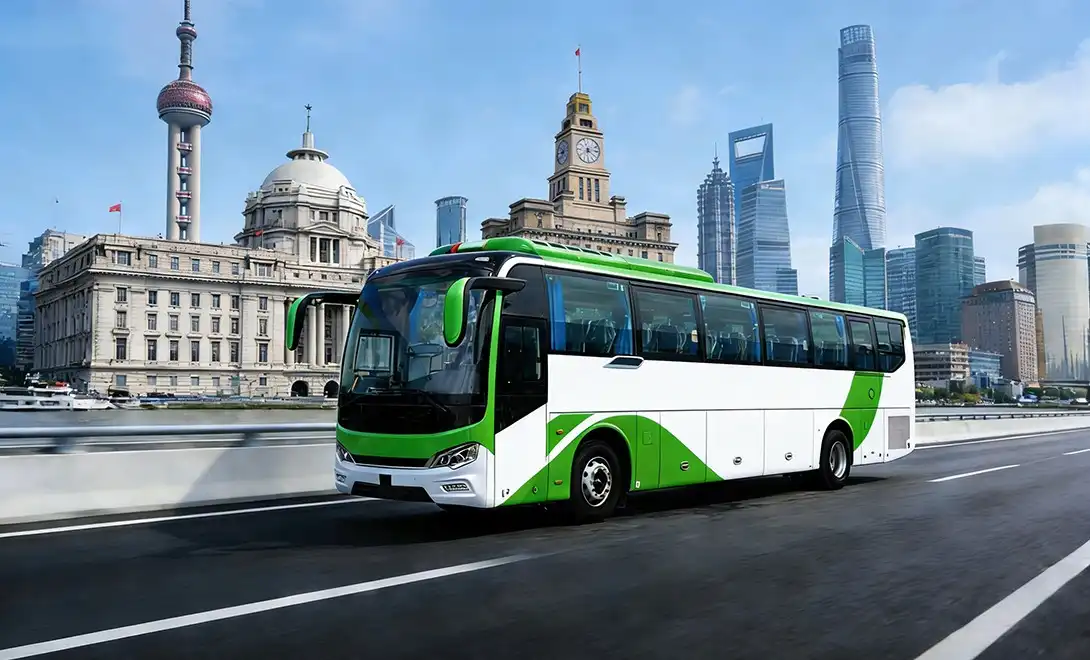
The technical details of modern electric cars show amazing engineering feats that meet the complicated needs of business transportation. Standard measurements are usually 12 meters long, 2.55 meters wide, and about 3.2 meters high. Depending on how the seats are set up, they can fit between 80 and 110 people. The advanced lithium iron phosphate battery systems in these cars give them a range of 250 to 400 kilometers per charge in normal circumstances.
Advanced Electric Drivetrain Technology
These coaches' electric motor systems use advanced energy management platforms to make sure that power is distributed optimally throughout the vehicle's life. The battery's size is between 350 and 550 kWh, and it can be charged quickly (80%) in one to two hours using DC charging facilities. The electric motor systems make between 200 and 350 kW of power, which helps the total energy economy by allowing smooth acceleration and regenerative stopping.
Modern batteries have thermal control systems that keep them working at the best temperature in a variety of weather situations. These methods make batteries last up to 8 to 12 years longer while keeping their performance. Energy management systems keep an eye on real-time power use, route optimization, and expected repair needs. This helps fleet managers run their businesses more efficiently.
Environmental and Operational Advantages
The environmental benefits go far beyond having zero local emissions. They also include less noise pollution and better air quality in cities. One operational benefit is that they require much less upkeep than internal combustion engines because they have a lot fewer working parts. Electric coaches don't need oil changes, transmission fixes, or upkeep on the exhaust system. This cuts the total cost of ownership by 30 to 40 percent over the life of the vehicle.
These benefits directly improve the experience of passengers by making the vehicle run more quietly, speeding up more smoothly, and having better temperature control systems. Real-time diagnostics, remote tracking, and predictive maintenance alerts help fleet owners avoid unplanned downtime and improve the efficiency of their services.
Comparing 12m Electric Coaches with Traditional and Hybrid Models
When you look at the costs of electric coaches versus gas and hybrid options, you can see that they are clearly better in many ways. The most obvious benefit is the saves on fuel costs. The cost of power per kilometer is usually 60–70% less than the cost of diesel fuel. Even more dramatic drops can be seen in maintenance costs. For example, diesel cars need 40–50% more regular repair than electric coaches.
Total Cost of Ownership Analysis
The total cost of ownership includes the purchase price, the costs of running the business, the costs of repairs and upkeep, and the value of the asset after 12 to 15 years of use. Even though electric coaches cost more to buy at first, the cost saves from running them usually cover the extra cost within 4 to 6 years of usage. Government benefits and carbon credit programs make it even more financially appealing for people to use electric coaches.
Performance traits show better torque delivery and acceleration compared to diesel options, which is especially helpful in cities with lots of stop-and-go traffic. Metrics for energy economy show that electric coaches can do the same work as gas coaches while using 70–80% less energy.
Market Trends and Leading Models
A recent study of the market shows that adoption is speeding up quickly, with sales of electric coaches rising by 35% each year around the world. Leading makers are adding longer ranges, better connection with charging infrastructure, and more high-tech comforts for passengers. The 12m Electric Coach market is especially strong in North America and Europe, where rules are favoring zero-emission public transportation options more and more.
Some of the latest trends in technology are self-driving cars, systems that bring everything together, and modular designs that can be changed to fit different operating needs. Because of these changes, electric cars are now ready to be bought by transportation officials that want to move forward.
Making Informed Procurement Decisions for 12m Electric Coaches
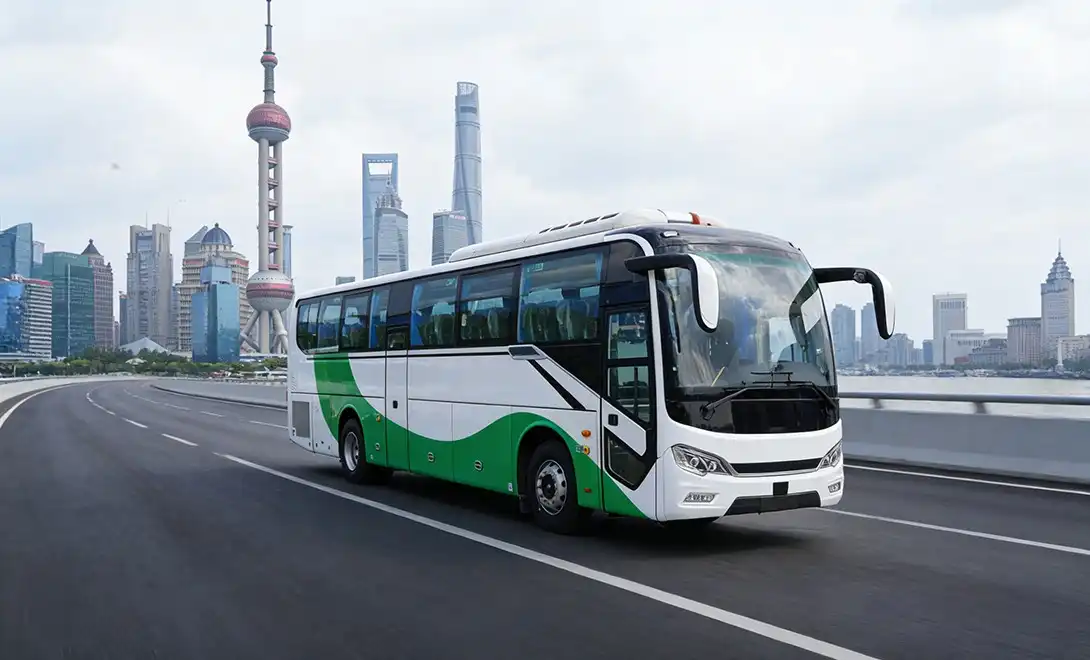
When making a procurement strategy, it's important to carefully look at business needs, infrastructure readiness, and plans for long-term fleet growth. Range needs to match up with normal route lengths, taking into account things like weather, number of passengers, and changes in terrain that affect energy use. Infrastructure compatibility includes the number of charge stations that are available, the size of the power grid, and any changes that need to be made to the repair center.
Critical Selection Criteria
Configuration for passenger capacity is one of the most important things to think about. There are many choices, from high-capacity standing arrangements to special seating arrangements. For major parts, guarantees usually last between 5 and 8 years. Battery warranties, on the other hand, usually last between 8 and 12 years or up to a certain mileage level. Financial stability, service network coverage, and expert help skills should all be taken into account when judging a supplier's trustworthiness.
Here are the most important things to think about when buying an electric coach:
• Operational Range Assessment: Compare daily route needs with manufacturer specs, taking into account yearly changes and emergency backup capacity needs
• Charging Infrastructure Planning: Figure out how much power the current electrical infrastructure can handle and set dates for deploying charging stations that work with when vehicles are delivered.
• Service Network Evaluation: Check to see if suppliers can maintain equipment, have parts on hand, and offer training programs for technicians in areas where the system will be used.
• Financial Structure Optimization: Look at the pros and cons of leasing, borrowing, and buying directly based on your cash flow needs and the best way to use tax breaks.
These buying factors have a direct effect on the long-term success of operations and the company's finances. Careful analysis is needed to make sure that the best car is chosen, one that meets all operating needs and gives the best return on investment.
Purchasing Approaches and Financing Options
Leasing deals take less money up front and offer fixed monthly costs, which makes them appealing to businesses with small capital budgets. Direct buy choices offer the best long-term savings on costs and rewards of owning an asset. Government incentives, the sale of carbon credits, and performance-based payment plans that match costs with practical benefits can all be used in financing arrangements.
Ordering in bulk can save you a lot of money and help you get your packages on time. Branding, internal layouts, accessibility features, and the integration of specialized equipment that meets specific operating needs are all examples of customization choices.
Trusted Brands and Suppliers of 12m Electric Coaches
Leading companies in the electric coach market consistently come up with new ideas and deliver their products on time to places around the world. Well-known brands work on improving battery technology, making charging infrastructures work with new batteries, and building up their entire service networks. New models stress longer ranges, better comfort for passengers, and better interaction with fleet management systems.
Supplier Reliability and Support Networks

JCM is one of the most reliable 12m Electric Coach providers because it can meet a wide range of market needs through OEM and ODM services. The quality standards at our factories in China are among the best in the world, and our prices are very reasonable. The company's approach to the whole industry chain allows for quick customization, new product development, and full lifecycle support from the beginning of the planning process to the time the product is put on the market.
When judging a supplier, you should look at their approved dealer networks, how quickly they respond to customer service requests, and how much expert help they offer. Long-term operating reliability is ensured by comprehensive guarantee covering and the supply of parts. Driver training programs, upkeep processes, and managing software updates are all examples of post-sale support services.
Innovation and Technology Leadership
Improvements to technology are mostly focused on charge management systems, making charging more efficient, and making the customer experience better. Modern telemetry systems let you keep an eye on your fleet in real time, plan repairs ahead of time, and improve performance. Integration features help with building smart cities, getting ready for self-driving cars, and making sure that different connection platforms work together.
Quality certifications, such as ISO norms and area compliance requirements, show that a seller is dedicated to doing a great job. Continuous growth programs make sure that products are always getting better and that customers are always happy.
Maintenance and Optimization Tips for 12m Electric Coaches
Throughout the lifecycle of a car, good repair plans improve battery performance, system reliability, and operating economy. The main things that are checked during routine inspections are the battery system, the electrical connections, and the software system. Preventive care practices make parts last longer and reduce the need for unexpected repairs.
Best Practices for Fleet Management
For batteries to work at their best, charging methods, temperature control, and tracking of depth-of-discharge must all be consistent. Software changes keep the system running efficiently and make sure that security measures and new features are always working together. Driver training programs improve how energy is used, how regenerative braking is used, and how efficiently operations are run.
Safety compliance includes regular system checks, training in what to do in an emergency, and following the rules set by the government. Technician certification programs make sure that warranties are followed and that repair methods are done correctly. These ways of running the business lower the total cost of ownership while improving service dependability and customer safety.
Scheduling maintenance should be in line with practical needs so that there are as few interruptions in service as possible while still making sure that vehicles are in great shape. Predictive maintenance tools look at data in real time to figure out what services will be needed and when they should be done.
Conclusion
The 12m Electric Coach is a revolutionary answer to today's transportation problems. It is good for the environment, runs smoothly, and makes passengers comfortable on a tried-and-true base. More and more, these high-tech cars are being used in smart transportation projects around the world to meet green goals and keep up service excellence. By investing in electric bus technology, transportation agencies will be at the top of environmentally friendly ways to get around. This will also have a positive effect on the economy. As charging stations keep growing and battery technology improves, electric trains will become more popular for a wider range of transportation needs. The switch to electric public transportation helps smart city projects in a bigger way and gives forward-thinking businesses instant operating benefits.
FAQ
What is the typical range of a 12m electric coach?
Under normal conditions, most new electric cars can go 250 to 400 kilometers on a single charge. Range changes depending on the number of passengers, the route's scenery, the weather, and how the driver drives. Advanced battery management systems make the best use of energy to extend the operating range while keeping the battery's life.
How long does it take to charge an electric coach?
Charging time is based on the size of the battery and the type of charging equipment used. DC fast charging usually gets to 80% capacity in one to two hours, while AC charging overnight completes the charge cycle. A lot of airlines use "opportunity charging" during layovers to keep batteries at the best level during service times.
What maintenance advantages do electric coaches offer?
Electric coaches require significantly less maintenance than diesel alternatives, eliminating oil changes, transmission service, and exhaust system repairs. Routine maintenance focuses on battery monitoring, electrical connections, and software updates. Reduced maintenance requirements translate to 40-50% lower maintenance costs and improved vehicle availability.
Are electric coaches suitable for all climate conditions?
Modern electric coaches operate effectively across diverse climate conditions through advanced thermal management systems. Battery heating and cooling systems maintain optimal performance in extreme temperatures. Range may vary seasonally, but proper system design ensures reliable operation in challenging environmental conditions.
Partner with JCM for Your Electric Coach Requirements
JCM delivers comprehensive 12m Electric Coach solutions tailored to meet your specific transportation requirements through our proven whole industry chain approach. Our advanced manufacturing capabilities, extensive customization options, and global service network ensure optimal vehicle performance and long-term operational success. As a leading 12m Electric Coach manufacturer, we provide end-to-end support from initial design consultation through production line setup and ongoing technical assistance.
Our expertise spans battery manufacturing, drivetrain development, and complete vehicle assembly with ISO and TS16949 certifications guaranteeing world-class quality standards. Contact our procurement specialists at info@jcm-star.com to discuss your electric coach requirements and discover how our innovative solutions can transform your transportation operations while achieving sustainability goals.
References
1. International Association of Public Transport. "Electric Bus Technology Assessment and Implementation Guidelines." Public Transport Research Institute, 2024.
2. Chen, L., et al. "Battery Technology Advancements in Commercial Electric Vehicles: Performance and Lifecycle Analysis." Journal of Sustainable Transportation Engineering, Vol. 18, No. 3, 2024.
3. Global Electric Vehicle Research Consortium. "Commercial Electric Vehicle Market Analysis: Trends and Projections for 2024-2030." Electric Mobility Publications, 2024.
4. Thompson, R., and Martinez, S. "Total Cost of Ownership Models for Electric Public Transportation Fleets." Transportation Economics Quarterly, Issue 2, 2024.
5. European Union Commission on Transport Innovation. "Smart Transportation Infrastructure Development: Electric Vehicle Integration Strategies." EU Transport Publications, 2024.
6. American Public Transportation Association. "Electric Bus Deployment Best Practices: Operational Guidelines and Performance Metrics." APTA Technical Standards, 2024.

Based on your vehicle requirements, we will quickly match the most suitable specifications and provide a competitive quote.
_1755581003287.webp)
Global Customized


_1756108840480.webp)
_1755854765757.webp)